


Mayawati Rejects ‘Creamy Layer’ Rule for SCs, STs in Quota
BSP chief says reservation addresses historical caste discrimination and urges Centre to defend SC, ST interests before courts
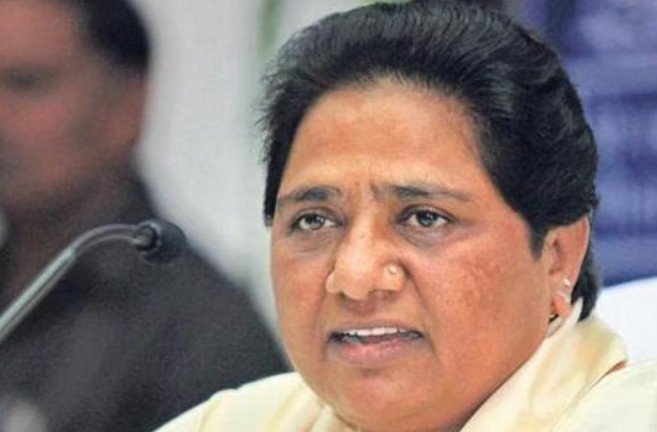
LUCKNOW, Aug 9: Bahujan Samaj Party (BSP) supremo Mayawati on Sunday opposed the introduction of a ‘creamy layer’ provision for Scheduled Castes (SCs) and Scheduled Tribes (STs), saying reservation was aimed at addressing generations of social discrimination and deprivation.
In a post on X, Mayawati described reservation as a sensitive and significant issue for SC, ST and Other Backward Classes communities. She said the policy was closely connected with social transformation, economic empowerment and the restoration of dignity among historically disadvantaged sections.
Mayawati argued that applying the creamy layer concept to SCs and STs would be inconsistent with the constitutional purpose of affirmative action and the principles associated with the Constitution under Dr BR Ambedkar’s leadership.
She said reservation was intended to provide constitutional and legal safeguards to communities that had endured caste-based exclusion, exploitation and social ostracisation over generations.
The BSP leader also targeted the Rashtriya Swayamsevak Sangh (RSS) over recent comments by its chief Mohan Bhagwat, who had spoken about the politicisation of reservation and suggested that beneficiaries should consider voluntarily giving up the benefits after achieving sufficient advancement.
Mayawati alleged that such a position reflected a caste-based approach and could weaken the constitutional objectives behind reservation.
She maintained that caste discrimination could not be assessed solely on the basis of a person’s economic condition, as its effects continued to influence several aspects of social life even after material improvement.
The former Uttar Pradesh chief minister urged the Centre to present a strong legal case before the courts if it wanted SCs and STs to remain outside the scope of the creamy layer.
She said a well supported government argument seeking such an exemption would be consistent with constitutional principles.
Mayawati further alleged that governments had sometimes failed to adequately represent the social realities involved in reservation-related cases before the judiciary. According to her, weak legal responses could affect the outcome of matters concerning social transformation and constitutional safeguards.
She appealed to the RSS to respect the constitutional framework and refrain from advocating changes to the existing reservation system.
Mayawati called for collective efforts to advance the constitutional vision of an egalitarian society, saying protecting equality and social justice remained an important national responsibility.

