


Trump Posts Map Marking Strait of Hormuz as ‘New US Territory’ Amid Iran Tensions
The US president's latest social media post comes amid a standoff over the strategic waterway and growing concerns about global energy supplies.
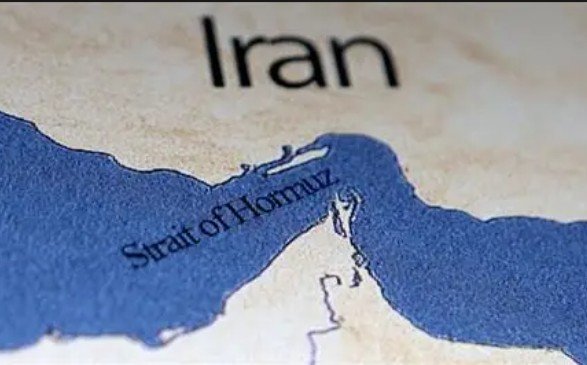
WASHINGTON, Aug 19: US President Donald Trump has intensified his confrontation with Iran after sharing a map on his Truth Social platform that labelled the strategically important Strait of Hormuz as “NEW U.S. TERRITORY”.
The post came days after Trump first suggested that the United States could claim control over the vital waterway. He reiterated the proposal on Monday, arguing that taking control of the strait would be beneficial for Washington.
The Strait of Hormuz is one of the world’s most critical maritime energy routes, with roughly one-fifth of global oil supplies passing through the waterway. Any prolonged disruption to shipping through the strait could therefore have significant consequences for energy markets and the wider global economy.
Before the conflict involving the United States, Israel and Iran began on February 28, the waterway operated as an international shipping route. Iran has since effectively closed the strait amid the continuing confrontation.
Tehran has linked any reopening of the passage to several demands from Washington. These include an end to the US blockade of Iranian ports, the removal of oil sanctions, the release of frozen Iranian assets and compensation for war-related damage.
Washington-Tehran talks remain stalled
Trump’s latest post comes as diplomatic efforts between the United States and Iran remain deadlocked.
On Tuesday, Trump said there were no talks with Tehran either taking place or scheduled. He also claimed that the United States had control of the waterway and that naval mines had been cleared.
Iran has rejected that position and maintained that the strait remains closed.
The conflicting statements have added uncertainty over the future of one of the world’s busiest energy corridors. Shipping disruptions could affect crude supplies and increase pressure on fuel prices in countries dependent on international energy markets.
Oil prices climbed for a third consecutive session on Tuesday as expectations of a near-term US-Iran agreement weakened. Brent crude traded above $91 a barrel amid growing concerns about the potential duration of the disruption.
Strategic waterway at centre of confrontation
The Strait of Hormuz connects the Persian Gulf with the Gulf of Oman and the Arabian Sea, making it a crucial passage for oil-producing countries in the Gulf.
Its strategic importance has made the waterway a longstanding source of tension between Iran and the United States. Any restrictions on commercial shipping could have consequences well beyond the immediate region.
Trump has previously made controversial territorial proposals involving places such as Canada, Greenland and the Gaza Strip. None of those proposals, however, has resulted in a formal transfer of sovereignty.
The latest map has nevertheless heightened attention because of the strait’s importance to international commerce and energy security.
With diplomatic channels showing little sign of progress, the waterway remains a major flashpoint in the confrontation between Washington and Tehran. Continued restrictions on shipping could put further pressure on oil prices, inflation and global energy markets.

