


WHO Reports Major Gaps in Water and Sanitation Facilities at Healthcare Centres
A new WHO-UNICEF update highlights inadequate sanitation infrastructure at health facilities, raising concerns over infection prevention and patient safety.
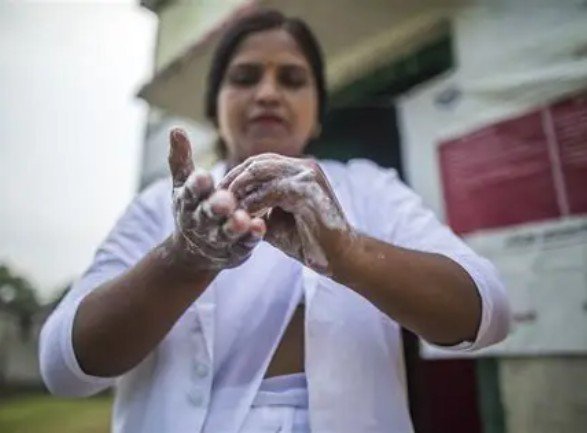
GENEVA, Aug 19: Significant gaps in water, sanitation and hygiene services at healthcare facilities remain a global public health concern, according to a new update from the World Health Organization (WHO) and UNICEF.
The report, released on August 18, highlights continuing deficiencies in basic sanitation services across health facilities. Such shortcomings can affect the quality and safety of medical care, particularly for patients requiring treatment in vulnerable settings.
Access to safe water and adequate sanitation is a fundamental requirement for infection prevention and effective healthcare delivery. Facilities without reliable services can face greater challenges in maintaining hygiene standards, protecting healthcare workers and preventing the spread of infections.
The findings also underline the importance of improving infrastructure alongside expanding medical services. While health systems often focus on increasing access to doctors, medicines and advanced equipment, basic water and sanitation facilities remain essential for safe treatment.
Poor hygiene conditions can create additional risks for patients and healthcare workers, especially in maternity wards, surgical units and areas treating people with infectious diseases.
WHO and UNICEF have called attention to the need for stronger investment and monitoring to ensure that health facilities have the basic infrastructure required for safe care.
The latest findings reinforce the view that improving healthcare outcomes requires more than medical technology and clinical expertise. Reliable water, sanitation and hygiene services are equally important components of a functional health system.
Governments and health authorities will need to strengthen infrastructure, maintenance and monitoring to close these gaps and ensure that patients receive care in safe and hygienic environments.

