


FDA Defends Lettuce Testing as US Cyclospora Outbreak Investigation Continues
US health authorities say a false-positive lettuce sample does not undermine the wider probe into a multistate parasitic infection outbreak.
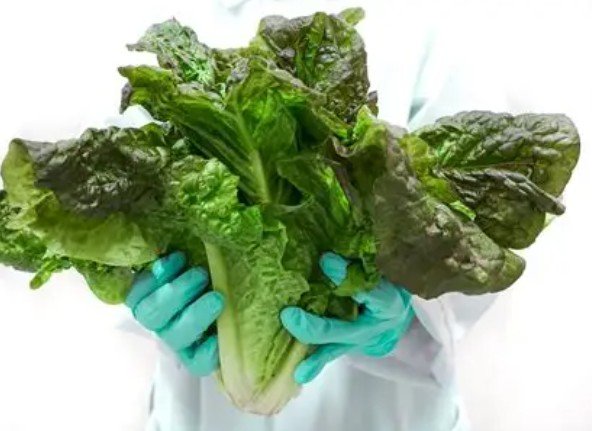
Washington, July 20: The US Food and Drug Administration has defended its decision to publicise a lettuce sample that was later found to be a false positive as authorities continue investigating a cyclospora outbreak linked to lettuce supplied by Taylor Farms.
The FDA said the revised test result does not affect its broader investigation into the outbreak, which has been associated with illnesses across five US states. The agency had initially reported that a sample of shredded iceberg lettuce supplied by Taylor Farms had tested positive for the parasite.
Following a re-evaluation, however, the FDA said the result was determined to be false positive. As of July 19, the agency said there were no confirmed positive sample results for cyclospora.
Cyclospora is a parasite that can cause intestinal illness, with symptoms including prolonged diarrhoea, abdominal cramps, nausea and fatigue. The infection is generally associated with contaminated food or water.
The investigation has continued despite the revised laboratory finding, with health officials examining potential sources and tracing the distribution of products connected to reported illnesses.
The development has also placed renewed attention on food-safety testing and the importance of accurately identifying contaminated products during outbreaks. Authorities have been working to establish whether a common food source can explain the infections reported across multiple states.
The FDA’s clarification highlights the challenges faced by public health agencies when rapidly investigating foodborne disease outbreaks, where early laboratory findings may require additional testing and verification.
Officials continue to assess available evidence as the investigation progresses, while consumers and businesses remain advised to follow health authorities’ guidance concerning potentially affected food products.

