


Congress Seeks Review of E20 Policy, Calls ‘Anti-People’ Fuel Move Unacceptable
Jairam Ramesh alleges ethanol blending is affecting food prices, vehicle mileage and consumer choice, while seeking non-ethanol petrol options.
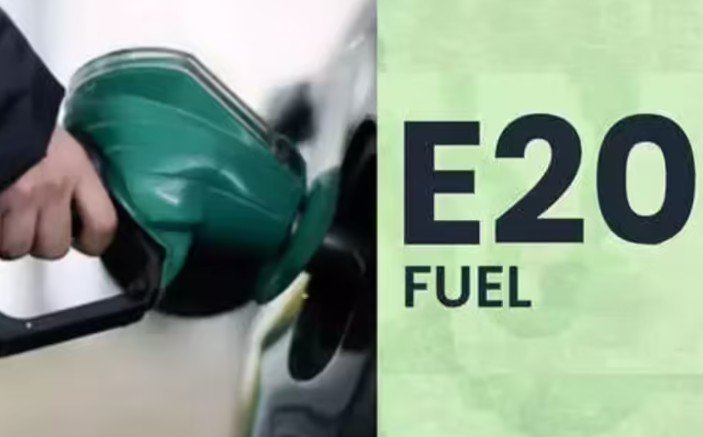
NEW DELHI, Aug 21: The Congress on Friday stepped up its opposition to the government’s E20 petrol policy, calling for an immediate review and demanding that consumers be given access to non ethanol fuel options.
Congress general secretary in-charge communications Jairam Ramesh accused the Modi government of pursuing what he described as an “anti-people” fuel policy, arguing that the increased use of ethanol in petrol was contributing to higher household expenses while creating concerns for vehicle owners.
In a post on X, Ramesh referred to reported increases in the prices of several food commodities, including sugar, jaggery, rice and maize flour. He linked the price pressures to the diversion of sugarcane and grains towards ethanol production under the 20 per cent blending programme.
According to Ramesh, sugar prices increased from around Rs 48 to Rs 67 per kg over three months, while jaggery prices rose from Rs 50 to Rs 65 per kg. He also cited reported increases of 16 per cent in rice prices and 11 per cent in maize flour, along with a 10.34 per cent rise in animal feed costs.
The Congress leader alleged that around 25 lakh tonnes of sugar-grade sugarcane had been diverted towards ethanol production. He argued that directing agricultural commodities towards fuel production could affect their availability for food and other essential uses.
Ramesh also raised concerns over the performance of vehicles using E20 petrol, particularly those that were not originally designed for fuel containing 20 per cent ethanol. He claimed that motorists were facing reduced mileage and potential compatibility related problems.
The Congress has repeatedly questioned the government’s decision to expand ethanol blending in petrol. The party has argued that consumers should have greater choice at fuel stations and that concerns surrounding vehicle compatibility, mileage and long-term costs require greater attention.
Ramesh further questioned why petrol prices had not fallen despite lower international crude prices and the savings claimed from ethanol blending. He alleged that the benefits of the policy had not been adequately passed on to consumers.
The issue was also raised at the Congress Working Committee meeting held on Wednesday, where the party highlighted concerns related to vehicle mileage, fuel compatibility, consumer choice, fuel contamination and the environmental implications of diverting crops such as sugarcane and maize for ethanol production.
The Congress has alleged that ethanol producers have emerged as major beneficiaries of the policy, while middle class households and vehicle owners bear its costs. The government has, however, promoted ethanol blending as part of efforts to reduce dependence on imported crude oil and strengthen energy security.
Ramesh said the Opposition party would continue to press for a reassessment of the policy and greater consumer choice.
“We demand an immediate review of the E20 policy and insist that the public be provided with non-ethanol fuel options,” he said, maintaining that a fuel policy that raises the cost of transportation as well as household expenses cannot be accepted.

