


Vance Calls Canada a ‘State’ in Freudian Slip Amid Rising US-Canada Tensions
US Vice President JD Vance quickly corrected his remark at a campaign rally while criticising Ottawa’s defence spending and trade policies amid worsening tensions between Washington and Ottawa.
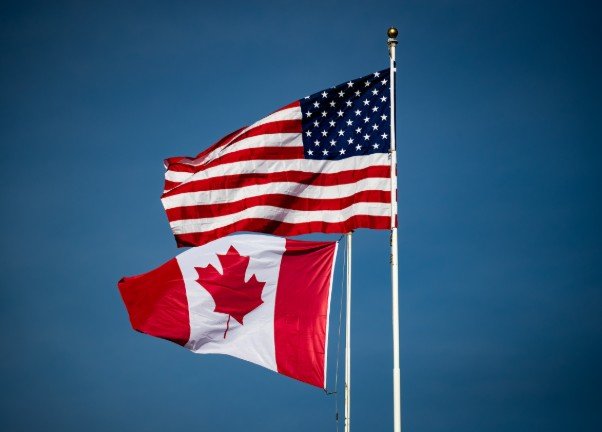
US, Aug 25 : US Vice President JD Vance has drawn attention after mistakenly describing Canada as a “state” during a campaign rally, before immediately correcting himself and referring to the remark as a “Freudian slip”.
“Canada is a state. Sorry, Freudian slip,” Vance said, acknowledging that the comment was accidental. He subsequently referred to Canada as a country while launching a broader criticism of Ottawa’s defence and trade policies.
Vance argued that Canada has not invested sufficiently in its military and has benefited from the security umbrella provided by the United States. He suggested that the country could face serious security risks without US protection.
The vice president also criticised Canada’s trade policies, placing Ottawa alongside China among countries he considers to have particularly unfavourable trade arrangements with the United States.
“China, you of course expect they’re our biggest economic competitor,” Vance said, while expressing surprise that Canada had also adopted policies he viewed as disadvantageous to Washington.
Dispute over tariffs
Vance’s comments come amid escalating US-Canada trade tensions, with Washington and Ottawa locked in a dispute over tariffs, trade practices and economic policy.
US President Donald Trump has threatened to increase tariffs on Canadian automobiles, auto parts and steel to 50% from January 1, 2027. Trump has also accused Canada of benefiting unfairly from its economic relationship with the United States and warned Ottawa against resisting US demands.
The latest tensions intensified after Canadian Prime Minister Mark Carney ended trade negotiations with Washington following disagreements over US proposals. Ottawa described the demands as unfair and economically damaging.
Canada has indicated that it could respond with targeted countermeasures instead of matching US tariffs across the board. The approach reflects the close economic links between the two neighbours, particularly in sectors such as automobiles, energy, agriculture and manufacturing.
Canada weighs economic countermeasures
Ontario Premier Doug Ford has backed Carney’s position and suggested that Canada could use its strategic resources as leverage in the dispute.
Ford has warned that Ottawa and Canadian provinces could consider measures involving critical minerals and electricity exports to the United States. He has said a broad range of options remains under consideration if Washington proceeds with additional tariffs.
The dispute has raised concerns across industries on both sides of the border. Higher trade barriers could increase production costs, disrupt supply chains and put additional pressure on businesses and workers dependent on cross border commerce.
Vance’s verbal slip has therefore emerged against a backdrop of increasingly strained relations, as both governments face pressure to protect domestic industries while avoiding further disruption to one of the world’s most integrated bilateral trading relationships.

