


Pakistan, Iran Explore Ways to Reopen Strait of Hormuz and Ease West Asia Tensions
Army chief Asim Munir meets senior Iranian leaders in Tehran as Islamabad steps up mediation efforts to ease tensions and revive stalled peace talks.
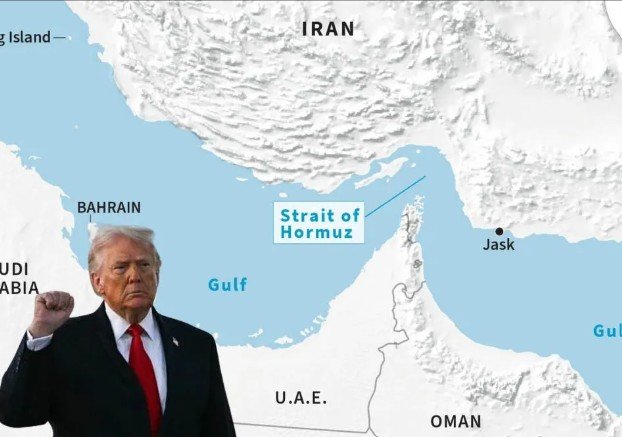
ISLAMABAD, Aug 25: Pakistan Army Chief Field Marshal Asim Munir held detailed talks with senior Iranian leaders in Tehran on Tuesday, with discussions focusing on preventing further escalation in West Asia, reopening the Strait of Hormuz and accelerating efforts to end the ongoing conflict.
Munir, accompanied by Pakistan’s Interior Minister Mohsin Naqvi, completed a day-long visit to Iran as Islamabad intensified diplomatic efforts to overcome the deadlock in negotiations between Washington and Tehran.
Pakistan’s Inter-Services Public Relations (ISPR) said the visit was aimed at supporting dialogue, reducing tensions and exploring a durable political settlement to the conflict.
During the visit, Munir met Iranian President Masoud Pezeshkian, Mohsen Rezaei, the Supreme Leader’s representative on the Supreme National Security Council, Parliament Speaker Mohammad Bagher Ghalibaf, Foreign Minister Seyed Abbas Araghchi and Interior Minister Eskandar Momeni.
The meetings covered measures to prevent the conflict from widening, facilitate the reopening of the Strait of Hormuz and speed up efforts to bring the hostilities to an end, according to the ISPR.
The strategically important waterway, located between Iran and Oman, connects the Persian Gulf with the Arabian Sea. Before the conflict disrupted shipping, roughly one-fifth of global oil supplies passed through the route, making its continued disruption a major concern for energy markets.
The Pakistani and Iranian sides also discussed regional stability and potential pathways towards a negotiated settlement. Iranian officials welcomed Islamabad’s efforts to facilitate dialogue and support a peaceful resolution.
Pakistan has increasingly positioned itself as a mediator in attempts to revive stalled US-Iran negotiations. An earlier ceasefire reached in April had raised hopes of ending the conflict, but the diplomatic process subsequently broke down as tensions intensified.
The hostilities began after US and Israeli strikes against Iran on February 28, followed by Iranian retaliation. The fighting severely disrupted shipping through the Strait of Hormuz and contributed to higher petroleum prices.
An interim peace arrangement, with Pakistan serving as a guarantor, also collapsed last month after renewed military tensions between the United States and Iran. Islamabad’s subsequent attempts to restart negotiations have yet to produce a breakthrough.
The latest diplomatic push comes as Washington increases economic pressure on Tehran through additional sanctions. US officials have said the measures are intended to restrict Iran’s access to international commerce and weaken its economic resources.
US President Donald Trump has also warned countries against providing Iran with what he described as any form of economic lifeline, raising concerns about possible repercussions for businesses and governments maintaining commercial ties with Tehran.
Meanwhile, oil shipments through the Strait of Hormuz remain heavily affected. Iran has warned that vessels attempting to use the strategic waterway without authorisation could face action, adding to uncertainty surrounding one of the world’s most important energy corridors.

