


India, China Agree to Pursue Political Settlement of Boundary Dispute: MEA
Ajit Doval and Wang Yi review border stability, boundary delimitation and broader cooperation as New Delhi and Beijing work to restore bilateral ties.
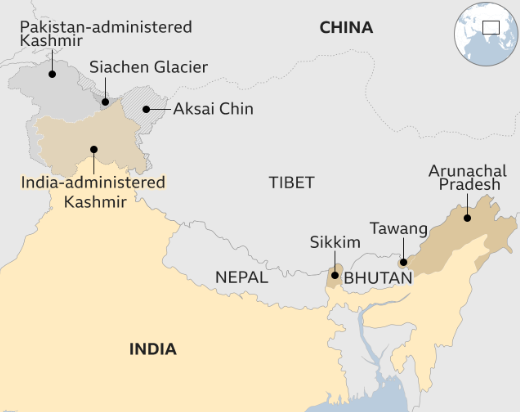
NEW DELHI, Aug 25: India and China have agreed to continue efforts towards a political settlement of their long-standing boundary dispute while stressing the need to preserve peace and stability along the Line of Actual Control (LAC), the Ministry of External Affairs said on Tuesday.
The understanding emerged during the 25th round of talks between National Security Advisor Ajit Doval and Chinese Foreign Minister Wang Yi, who serve as Special Representatives for the boundary negotiations.
The discussions in New Delhi covered the boundary question, including the delimitation of the frontier, as well as bilateral, regional and international developments of mutual interest.
According to the MEA, the two sides held a “candid and in-depth” discussion and agreed to pursue a political settlement of the boundary issue while keeping their overall and long-term interests in view.
The Indian side underlined that maintaining peace and tranquillity in border areas remains essential for the continued growth of relations between the two countries.
The talks come as New Delhi and Beijing seek to consolidate the improvement in ties that followed several rounds of diplomatic and military engagement after the 2020 eastern Ladakh standoff.
Doval travelled to Beijing on Monday for the two-day engagement. His visit was also viewed against the backdrop of preparations for the upcoming BRICS summit and expectations of further high-level interaction between the two countries.
The Indian Embassy in Beijing said the two sides positively reviewed the momentum in bilateral relations and discussed measures to expand cooperation.
“Both sides discussed ways to further expand bilateral cooperation, maintain stability and ensure peace and tranquillity in the border areas, and make progress on boundary delimitation, while sustaining the ongoing work on transboundary cooperation,” the embassy said.
The discussions took place amid reports of military activity along parts of the LAC, including in the Upper Subansiri area of Arunachal Pradesh.
At the meeting, Doval said the gradual return of normalcy in bilateral relations had been directly linked to efforts by both countries to maintain peace and tranquillity along the border.
He also pointed to recent developments that have improved people to people exchanges, including the successful resumption of the Kailash Manasarovar Yatra through Nathu La and the restoration of traditional border trade through three passes.
Doval said these initiatives had generated tangible benefits, particularly for communities residing in border regions.
The NSA also referred to the guidance provided by Prime Minister Narendra Modi and Chinese President Xi Jinping during their previous meetings, saying the two countries were working to reinforce measures aimed at preserving stability along the frontier.
Wang, meanwhile, described the India-China relationship as having significance beyond the bilateral sphere, saying it carries wider global and strategic implications.
He called for stronger communication and greater mutual trust between the two countries, while urging both sides to overcome obstacles affecting their relationship.
Wang said Beijing and New Delhi should work towards being good neighbours and partners and expressed confidence that greater engagement could provide fresh momentum to bilateral ties.
He added that both countries had maintained regular communication through diplomatic and military channels concerning the boundary situation and should continue efforts to properly manage the frontier issue.
The Special Representatives mechanism was established in 2003 to address the boundary dispute, which involves a frontier of around 3,488 km.
Although the mechanism has not produced a final settlement, officials on both sides have continued to regard it as an important platform for discussing border-related concerns and managing tensions.
The latest meeting signals continued diplomatic engagement between New Delhi and Beijing, with both sides seeking to preserve the progress made in stabilising relations while keeping the unresolved boundary question on the negotiating table.

