


CNG Price Hike: Delhi Auto Bodies Demand Fare Revision, Threaten September 9 Strike
Transport groups say the latest fuel increase has added to drivers’ financial burden and urge the Delhi government to revise fares or provide relief.
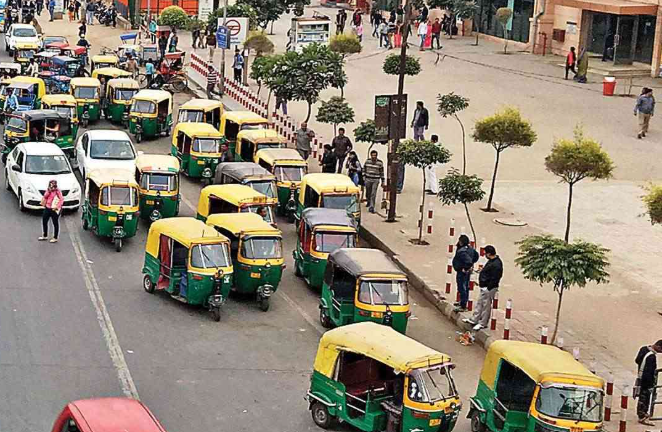
New Delhi, Aug 29: Autorickshaw and transport bodies in Delhi have demanded an immediate revision of fares following a sharp increase in CNG prices, warning that drivers will strike on September 9 if the government fails to act within a week.
The price of compressed natural gas (CNG) in Delhi and neighbouring areas rose by Rs 3.89 per kg on Saturday, according to Indraprastha Gas Ltd (IGL). Following the latest increase, CNG is now priced at Rs 86.98 per kg in the national capital.
IGL attributed the increase partly to higher spot market prices for imported liquefied natural gas (LNG). The company said a significant share of the gas used for CNG was being sourced through imported LNG, whose prices have risen since the beginning of the West Asia conflict.
Rajendra Soni, general secretary of the Auto Rickshaw Association and Delhi Pradesh Taxi Union, said the government should revise autorickshaw and taxi fares within a week to offset the rising cost of fuel.
Soni said the latest increase had placed an additional financial burden on drivers, many of whom operate on tight margins. He added that CNG prices had risen by around Rs 10-11 cumulatively over the past two to three months.
The transport representative also suggested that the government could consider providing a subsidy on CNG if an immediate fare revision was not possible.
“If the fares are not increased, we will hold a strike on September 9,” Soni said.
The demand has also received support from the All India Motor and Goods Transport Association, which expressed concern over the impact of higher fuel costs on the broader transport sector.
Association president Rajendra Kapoor said the Rs 3.89-per kg increase would affect not only commercial drivers but also commuters and the cost of transporting goods.
According to Kapoor, higher operating expenses could eventually put additional pressure on the prices of essential commodities as transportation costs rise.
The latest fuel increase comes amid continuing volatility in international energy markets. Transport operators have been closely monitoring fuel prices as higher operating costs squeeze earnings and increase the cost of running commercial vehicles.
The unions are now seeking swift intervention from the Delhi government, either through a revision of existing fares or financial support to cushion the impact of the increased CNG cost.
With the September 9 strike deadline approaching, the government will face pressure to address the concerns of autorickshaw and taxi operators while also considering the impact any fare increase could have on passengers.

