


Loneliness Among Elderly Emerges as ‘Silent Epidemic,’ Taking Serious Toll on Health
Doctors warn that social isolation can affect seniors’ mental and physical well being, urging families and communities to strengthen social connections.
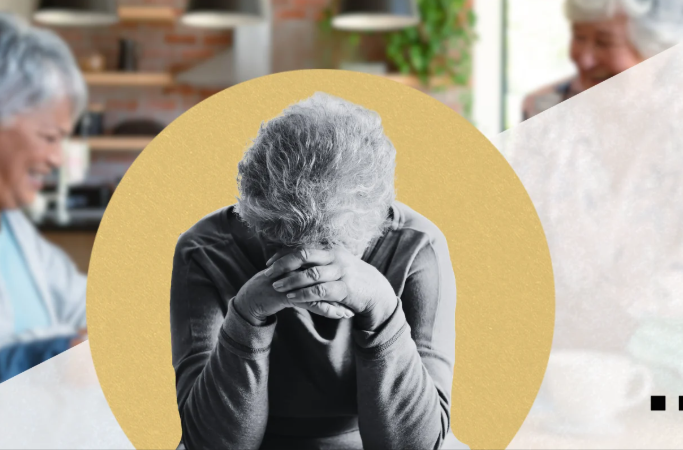
NEW DELHI, Sep 12: Loneliness among older adults is emerging as a serious yet often overlooked health concern, with doctors warning that prolonged social disconnection can have far reaching effects on both mental and physical well being.
Experts say loneliness is not necessarily determined by whether an elderly person lives alone. A senior citizen may live with family members and still experience a deep sense of emotional isolation, while another person living alone may remain socially active and well connected.
Dr Harjit Singh Bhatti, senior consultant of geriatric medicine at Sitaram Bhartia Hospital, said loneliness is primarily an emotional experience in which a person feels disconnected, neglected or deprived of meaningful relationships.
“An elderly person can live with their family and still feel lonely, while someone living alone may remain socially active and well connected. Loneliness, therefore, cannot be assessed simply by looking at whether a person lives alone or with others,” he said.
Changing family structures, urbanisation, migration of younger generations for education and employment, and the growing prevalence of nuclear families have added to the challenge.
Older adults who have lost a spouse, live alone, have disabilities or suffer from chronic illnesses may be particularly vulnerable. Retirement and children moving to other cities or countries can also reduce opportunities for regular interaction and companionship.
Dr Avinash Chakrawarty, Professor of Geriatric Medicine at National Centre for Ageing (NCA), Delhi AIIMS, said the issue should be treated as a health concern rather than being considered an inevitable part of growing older.
“Social connection is an important component of healthy ageing, and when it erodes, it can affect sleep, appetite, physical activity, mood and even treatment adherence in an elderly person,” he said.
According to Chakrawarty, many seniors gradually withdraw from social activities because of mobility limitations, hearing difficulties or a growing feeling that they are no longer needed.
This can create a harmful cycle in which reduced interaction contributes to declining mental and physical health, making the person even less willing or able to participate in social activities.
He urged families to pay attention to subtle behavioural changes, including loss of interest in routine activities, reduced communication and spending most of the day alone.
“Regular conversations, shared meals, outings and involving seniors in family decisions can help restore a sense of belonging and purpose,” he said.
Dr Anup Singh, Founder Head of the Department of Geriatric Medicine at IMS-BHU and nodal officer/Chief of the upcoming National Centre of Ageing at BHU, said prolonged loneliness has been associated with several physical and cognitive health concerns.
“Persistent stress associated with loneliness may contribute to sleep disturbances, high blood pressure and cardiovascular risk, while reduced physical and social activity can worsen existing chronic conditions,” he said.
He added that growing evidence also links social isolation and loneliness with depression, anxiety and cognitive decline among older adults.
“In older adults, therefore, assessing social connectedness should be part of a broader health evaluation,” Singh said.
Doctors said healthcare professionals should go beyond medicines and laboratory reports when assessing the well-being of elderly patients. They should also ask about whom a patient interacts with, how frequently they participate in activities and whether they feel supported.
The concern is not limited to urban areas. While fast-paced city life and declining neighbourhood interaction can leave seniors isolated, younger people migrating for employment can also leave older adults in rural communities without regular companionship.
Technology can offer some relief by helping seniors maintain contact with family and friends through phone calls, video calls and social media. However, doctors stress that digital communication should complement rather than replace meaningful personal interaction.
Bhatti said addressing the problem does not always require major interventions.
“Regular conversations, sharing meals, involving older family members in everyday activities and genuinely listening to them can go a long way. They need to feel that they continue to be an important part of the family,” he said.
Senior citizen clubs, community centres, volunteering opportunities, cultural programmes and intergenerational activities can provide additional avenues for social engagement.
With India’s elderly population continuing to grow, doctors believe strengthening social connections will become increasingly important. Ensuring that people live longer must also involve creating conditions that allow them to remain connected, valued and emotionally supported in later life.

