


BRICS Nations Back Greater Cooperation on Disease Surveillance and Medical Products
The grouping is seeking closer coordination on public health, treatment of major diseases and regulation of medical products while strengthening collaboration in mental health and non-communicable diseases.
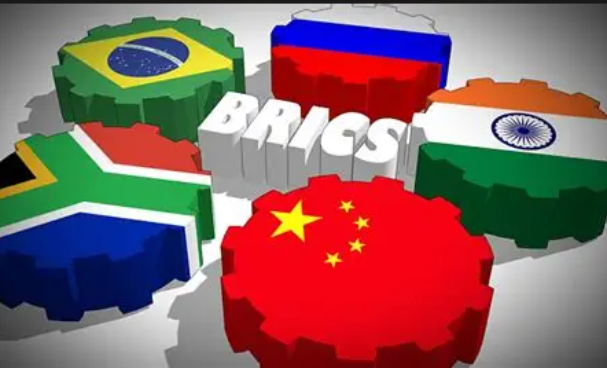
NEW DELHI, Sept 12: BRICS countries have stepped up efforts to deepen cooperation in healthcare, with discussions focusing on joint disease surveillance, medical product regulation and coordinated approaches to major public health challenges.
The initiative forms part of wider health cooperation among the member countries, with tuberculosis, non-communicable diseases and mental health emerging as key areas for collaboration.
Closer coordination on disease surveillance is expected to help countries exchange information and strengthen their ability to detect and respond to emerging health threats.
The grouping is also looking at greater cooperation in the regulation of medical products. Improved coordination in this area could support efforts to strengthen safety standards, regulatory capacity and access to essential healthcare products.
Non-communicable diseases remain another major focus, as countries seek more effective strategies for prevention, early detection and long-term treatment.
Mental health has also gained greater prominence in the BRICS health agenda. The New Delhi Declaration has backed the creation of a network of Centres of Excellence for mental health, with the National Institute of Mental Health and Neuro Sciences in Bengaluru designated as the coordinating institution.
The proposed network is intended to promote research, policy dialogue and the exchange of best practices among participating countries.
The declaration also emphasises the need for sustained mental-health and psychosocial support for vulnerable groups, including children and adolescents affected by crises.
BRICS members have further endorsed the BRICS Mission for Healthy Lifestyle for 2026-29, alongside a collection of practices that countries can adapt to their own public health systems.
The discussions reflect a broader effort to move healthcare cooperation beyond individual programmes and towards shared systems for prevention, research, regulation and treatment.
For India and other BRICS members, stronger collaboration could provide opportunities to exchange medical expertise, develop coordinated public-health responses and improve access to healthcare innovations.

