


India Adds Rowing Bronze as Roshibina Devi Reaches Wushu Gold Medal Bout
Satnam Singh and Salman Khan finished third in the men’s double sculls, while Roshibina Devi advanced to the women’s 60kg sanda final.
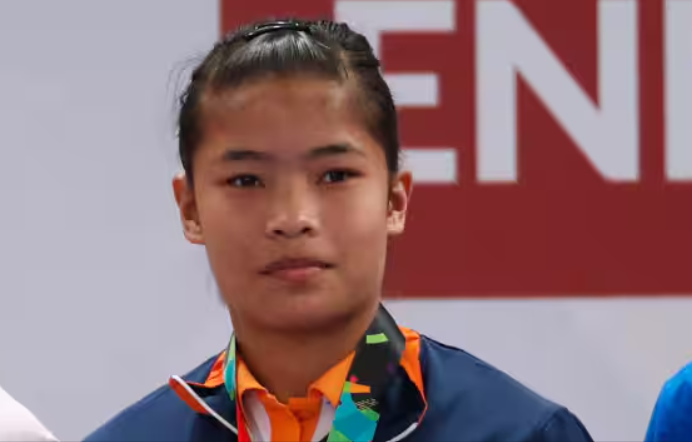
NAGOYA, Sept 24: India added another rowing medal to its 2026 Asian Games campaign on Thursday as Satnam Singh and Salman Khan won bronze in the men’s double sculls, while wushu exponent Naorem Roshibina Devi advanced to the women’s 60kg sanda final in Aichi-Nagoya.
The Indian rowing pair completed the double sculls final in 6:13.25 to finish third. Their result added another medal to India’s campaign as the country continued its participation across several sports on Day 6 of the Games.
The rowing event featured crews from several Asian nations, with India competing alongside athletes from countries including Uzbekistan, China, Japan, Indonesia and Iraq. Satnam and Salman stayed in medal contention through the race before securing the bronze position.
The result was another positive development for India’s rowing contingent, which had several athletes competing in finals and other rounds on Thursday. Balraj Panwar was also scheduled to contest the men’s single sculls Final A, while Indian crews were involved in additional events at the Nagaragawa International Regatta Course in Gifu.
Attention then shifted to wushu, where Roshibina Devi was scheduled to compete for gold in the women’s 60kg sanda category.
Roshibina had already secured a medal by reaching the final after defeating Indonesia’s Kusumaningtyas Thani in the semifinal. Her victory guaranteed India another medal and set up a final against China’s Zhang Xiaoyu.
The Indian wushu campaign has been closely followed during the Games, with Roshibina emerging as one of the country’s medal contenders in the combat sport. Her progress gave India another opportunity to add to its medal count on a day featuring several medal events.
The wushu competition is being held at the Aichi Prefectural Martial Arts Hall, while rowing events are taking place at the Nagaragawa International Regatta Course. India’s athletes were also scheduled to compete in shooting, canoe sprint, swimming, fencing, athletics and table tennis during the day.
The medal in rowing came after India had already collected medals in several disciplines during the opening days of the Games. The Indian contingent has been particularly active in shooting and combat sports, while the women’s cricket team had earlier secured the country’s first gold medal of the tournament.
India’s men’s badminton team had also secured a medal after reaching the semifinals, while other Indian athletes continued their campaigns in individual and team events.
Roshibina’s progress added another important moment to the combat-sports programme. Her place in the final meant India was guaranteed at least a silver medal in the women’s 60kg sanda category, with the final providing an opportunity to compete for the gold.
The wushu event is part of the wider Asian Games programme, which brings together athletes from across the continent in a large range of Olympic and Asian sports. For Indian competitors, the tournament also provides important international exposure ahead of future multi-sport competitions.
The rowing bronze, meanwhile, strengthened India’s presence in a discipline where margins can be extremely narrow. Satnam and Salman produced a medal-winning performance in a tightly contested field, securing third place in the final.
Thursday’s schedule underlined the breadth of India’s campaign in Nagoya. Athletes were competing from early morning across venues in Aichi and neighbouring areas, with medal opportunities in rowing, wushu and shooting alongside qualifying and preliminary rounds in other disciplines.
The Indian contingent’s results on September 24 therefore combined an established medal in rowing with a fresh gold-medal opportunity in wushu.
For Satnam and Salman, the bronze provided a podium finish after their performance in the double sculls final. For Roshibina, reaching the final marked another step toward a possible gold medal and kept India involved in the medal action at the martial arts venue.
The two developments added to India’s continuing medal campaign as the Aichi-Nagoya Asian Games moved deeper into their competition schedule. With athletes still involved in several events, India remained active across both established and emerging sporting disciplines.
The performances also highlighted the variety of India’s medal-winning efforts at the Games, ranging from rowing on the water to combat competition inside the wushu arena.
As competition continued on September 24, the focus remained on the Indian athletes still involved in medal events, with Roshibina’s final representing one of the day’s key opportunities and the rowing bronze already secured for the country.

