


Tarun Chugh Slams AAP Government Over Drug Menace, Law and Order in Punjab
BJP leader raises concerns over drug trafficking, extortion from jails and gangsterism during Nasha Mukt Punjab Yatra in Amritsar.
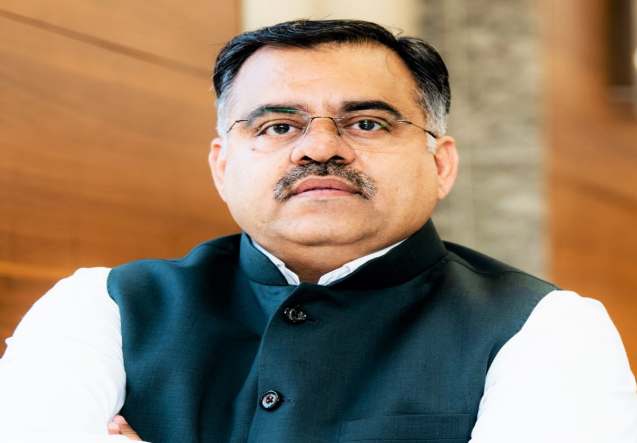
CHANDIGARH, Sep 24: Senior BJP leader and Rajya Sabha MP Tarun Chugh on Thursday criticised the Aam Aadmi Party government in Punjab over the drug crisis, law and order situation and alleged extortion networks operating from jails.
Chugh made the remarks while addressing gatherings during the BJP’s ongoing Nasha Mukt Punjab Yatra, which passed through the Amritsar Central, Amritsar South and Amritsar East assembly constituencies. He alleged that drugs remained widely available in the state and claimed that trafficking networks had not been effectively dismantled.
He said the drug problem was affecting families across Punjab and alleged that those raising their voices against drug-related activities were facing pressure. Chugh also raised concerns over the broader security situation, citing alleged attacks on police establishments and the presence of organised criminal networks.
The BJP leader further alleged that people from different professions, including lawyers, doctors, shopkeepers, businessmen and farmers, were receiving extortion calls from individuals operating from prisons.
Chugh said Punjab, known for its sporting and military traditions, needed a sustained campaign against narcotics and organised crime. He outlined the BJP’s five-point resolve under the anti-drug campaign, focusing on dismantling drug-peddling networks and supply chains, rehabilitating people affected by addiction, involving wider sections of society in prevention efforts, and tackling drug money and gangsterism.
He appealed to people to take part in efforts aimed at making Punjab free from drugs and promoting social awareness about the consequences of substance abuse.
Delhi BJP MLA Arvinder Singh Lovely also addressed the gathering and said the campaign was aimed at highlighting the underlying issues linked to Punjab’s drug problem. He said greater public awareness and community participation were necessary to address the challenge.

