


John Bolton Says China Unlikely to Support India’s UNSC Bid
Former US NSA says Beijing could oppose any UN Charter amendment needed to expand permanent membership of the Security Council.
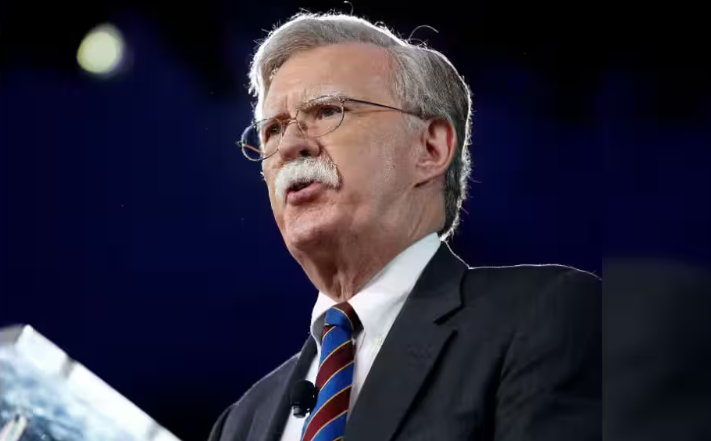
WASHINGTON, Sep 24: Former US National Security Adviser John Bolton has said China is unlikely to support India’s longstanding demand for a permanent seat on the United Nations Security Council (UNSC).
In an interview with PTI Videos, Bolton said efforts to reform the 15 member council had continued for decades but had made little progress. He argued that Beijing had little incentive to alter the existing arrangement, under which China remains the only Asian country among the five permanent members.
“I don’t think China is movable on this question,” Bolton said, adding that he did not expect the situation to change.
Bolton noted that adding new permanent members would require an amendment to the UN Charter. He suggested that China could use its position to prevent such a change if India gained sufficient international backing for its bid.
The UNSC currently comprises five permanent members China, France, Russia, the United Kingdom and the United States along with 10 non-permanent members elected for two year terms. The permanent members have veto power over substantive council decisions.
Bolton said India was not the only country seeking a permanent place on the council, pointing to Brazil and South Africa as other prominent aspirants. He also referred to various reform proposals that have been discussed over the years.
He expressed doubts about the prospects of a broader restructuring, saying the United Nations was dealing with significant institutional challenges.
The UNSC was created in 1945 following World War II, and its permanent membership has remained unchanged since its establishment. India has repeatedly advocated expanding the council to reflect contemporary global realities and give greater representation to developing countries.
On the escalating conflict in West Asia, Bolton said he viewed regime change in Tehran as necessary for achieving long-term stability in the region. At the same time, he acknowledged that such a change would not by itself guarantee peace.
He also linked Houthi attacks in the Red Sea and the Bab-el-Mandeb Strait to what he described as Iran’s strategy of maintaining pressure on Saudi Arabia and other Gulf nations in an effort to influence Washington.
Bolton further said he did not expect the United Nations to play a decisive role in resolving the wider regional crisis.

