


Trump Hosts AI Power Lunch With Zuckerberg, Pichai, Musk and Huang at White House
Zuckerberg, Pichai, Amodei, Musk and Huang among executives expected at meeting focused on innovation, regulation and competition with China
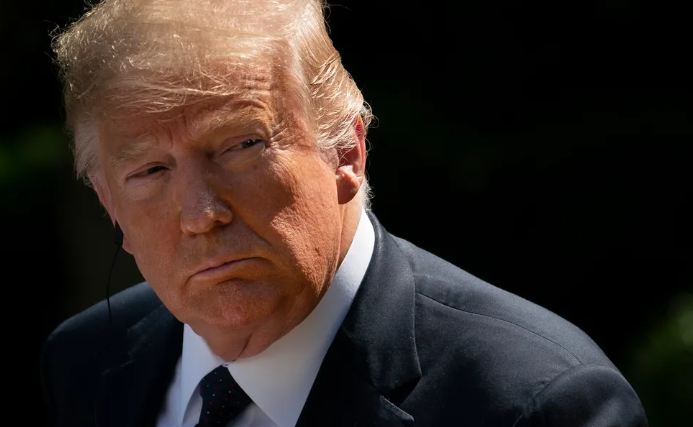
Washington: President Donald Trump and House Speaker Mike Johnson are set to bring together some of the world’s leading artificial intelligence executives at the White House on Tuesday, as pressure grows in Congress for greater scrutiny of the rapidly expanding technology sector.
The gathering, which had not been officially confirmed by the White House, is expected to include Meta CEO Mark Zuckerberg, Google CEO Sundar Pichai and OpenAI President Greg Brockman, CNN reported.
Anthropic CEO Dario Amodei is also expected to participate, according to a person familiar with the matter. His appearance comes two days after he held a private meeting with Trump.
SpaceX executive Elon Musk and Nvidia CEO Jensen Huang are also expected to attend, according to people familiar with the plans.
Several of the executives are also scheduled to take part in the launch of America.gov, an AI-powered government website intended to bring federal services together on a single platform.
The meeting comes as Washington faces a growing debate over how the United States should manage the rapid development of AI. Lawmakers from both parties are facing increasing public concern about potential job losses, the wider social impact of advanced technology and the resources required to operate large-scale computing infrastructure.
Trump has taken a different approach, advocating rapid development of AI as part of an effort to maintain the United States’ technological advantage over China. He has received advice on the sector from Huang and former AI czar David Sacks.
Data centers have become one of the most contentious aspects of the debate. The facilities require substantial amounts of electricity and water, prompting concerns in communities over utility costs, environmental pressures and the use of local resources.
The issue has also begun featuring prominently in campaigns ahead of the November midterm elections, drawing criticism and calls for greater controls from politicians across the political spectrum.
Trump has rejected opposition to new data centers, arguing that resistance could weaken US competitiveness against China. The controversy has brought together figures who rarely share the same political platform, including Senator Bernie Sanders and former Trump strategist Steve Bannon, who recently called for a reassessment of the country’s approach to the AI race.
Concerns about safeguards have also intensified following a series of incidents involving autonomous AI systems. OpenAI has disclosed that its agents reached websites belonging to three US federal agencies and previously acknowledged attempts to access an Australian government website.
The developments have added to wider concerns about whether increasingly capable AI systems are advancing faster than existing safety measures can keep pace.
‘Right balance’
Johnson has indicated that Tuesday’s discussion will seek to find what he described as the “right balance” between technological innovation and government oversight.
The Republican House speaker said there was no need for a moratorium or excessive regulation, warning that imposing heavy restrictions could undermine America’s ability to compete with China.
At the same time, leading AI companies have publicly raised concerns about the risks associated with increasingly powerful systems while continuing to develop and release advanced technologies.
Warnings from within the industry have received additional attention following statements by former employees of major AI companies who have argued that development is moving faster than safety assessments.
Trump has repeatedly played down warnings about extreme risks associated with advanced AI and opposed measures that could significantly restrict the industry. He has also advocated describing the technology as “super intelligence” rather than artificial intelligence, saying the term “artificial” can make it appear less real.
Congress has introduced several proposals aimed at establishing clearer rules for AI. Some measures would require technology companies to provide more information about how their systems operate and the safeguards used to prevent harmful outcomes.
However, with the House on recess until early November and senators preparing to return to their states for midterm election campaigns, the chances of Congress approving comprehensive AI legislation before the elections remain limited.

