


Heart Health Takes Centre Stage as Experts Highlight Earlier Risk Detection
World Heart Day 2026 brings renewed attention to cardiovascular risk as experts call for earlier detection, faster treatment and stronger preventive care.
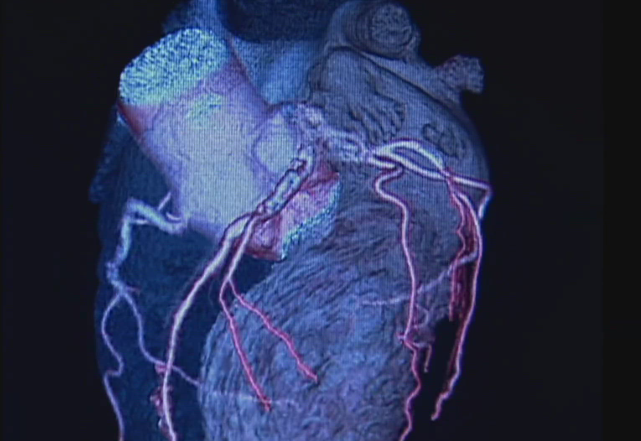
NEW DELHI, Sept 29: Cardiovascular health has come under renewed focus in India on World Heart Day, with doctors and health experts highlighting the need to identify heart disease risks earlier and ensure patients receive timely medical attention when symptoms appear.
The emphasis this year has extended beyond emergency treatment to prevention, risk assessment and public awareness. Experts have pointed to delays in recognising cardiac symptoms as one of the challenges that can affect outcomes, particularly when people mistake warning signs for acidity, stress or other less serious problems.
A recent analysis published in connection with World Heart Day noted that heart disease remains a major cause of death in India. The Global Burden of Disease 2021 data cited in the report estimated about 28.6 lakh deaths from cardiovascular disease in the country each year. The same report highlighted concerns that Indians can develop cardiovascular disease at younger ages than populations in many other parts of the world.
The issue is also being reflected in emergency-care data from Gujarat. An analysis of calls handled by the EMRI 108 ambulance service found that 71,088 patients had been transported following cardiac emergencies in 2026 so far, with around three in 10 cases involving people aged 40 or below. The figures were reported ahead of World Heart Day and have added to concerns about cardiovascular emergencies affecting younger adults.
Doctors say the changing pattern makes prevention increasingly important. Conditions such as high blood pressure, diabetes, obesity and abnormal cholesterol levels can increase cardiovascular risk, while dietary patterns, physical inactivity, tobacco use and other lifestyle factors can further influence an individual’s health profile.
A separate study reported on September 29 examined the contribution of dietary factors to cardiovascular disease in India using data from the 2021 Global Burden of Disease study. Researchers found associations between certain dietary patterns and cardiovascular risk, including higher risk linked with sugar-sweetened beverages and diets low in whole grains. The findings reinforce the role of balanced nutrition as part of long-term heart-health strategies.
The findings do not mean that a single food or dietary habit determines whether an individual will develop heart disease. Cardiovascular health is influenced by multiple interacting factors, including age, genetics, blood pressure, blood sugar, cholesterol, smoking status, physical activity and overall diet.
For health professionals, the larger concern is that many risk factors can remain unnoticed for years. High blood pressure and elevated cholesterol, for example, may not cause obvious symptoms before cardiovascular complications develop. Regular health checks can therefore help identify problems before they become emergencies.
Timely recognition of symptoms remains equally important. Chest discomfort, breathlessness, unexplained sweating, nausea, unusual weakness or pain spreading to the arm, shoulder, back, neck or jaw can be associated with a heart attack. Symptoms can vary between individuals, and medical evaluation is required when a serious cardiac problem is suspected.
Experts have also stressed the importance of reducing delays between the onset of symptoms and access to emergency care. In heart attacks, blocked blood flow can damage heart muscle, making rapid diagnosis and treatment important.
One recent World Heart Day analysis highlighted how patients may spend valuable time moving between healthcare facilities or initially attributing chest pain to acidity or stress. It called for greater awareness among the public as well as improvements in the wider system for identifying and treating cardiovascular emergencies.
Healthcare providers are consequently placing greater emphasis on preventive cardiology. Instead of waiting for the first major cardiac event, doctors increasingly encourage people to understand their blood pressure, cholesterol and blood-sugar levels and discuss individual risk factors with healthcare professionals.
Community screening initiatives are also being used to promote awareness. In Mumbai, Lilavati Hospital and Research Centre, in partnership with SEWA, organised a free heart-health camp for World Heart Day. More than 1,500 participants attended the programme, which included physical examinations, lipid and cholesterol testing, ECGs and consultations with specialists.
Such programmes can provide an opportunity for people to learn about cardiovascular risk and identify abnormalities that may otherwise go unnoticed. However, screening results need to be interpreted in the context of an individual’s overall medical history and should not replace regular care where treatment is required.
Technology is also beginning to play a larger role in cardiovascular care. Remote monitoring, digital consultations and connected health platforms can help patients maintain contact with healthcare professionals, particularly during recovery. Recent Indian research has also examined technology-supported rehabilitation for patients recovering from cardiac surgery.
A study highlighted this week involving patients recovering from valvular heart surgery compared standard care with a structured home-based digital rehabilitation programme. Patients using the remote programme recorded a greater improvement in six-minute walking distance and quality-of-life measures over the study period. The programme used remote sessions with physiotherapists alongside personalised exercise and recovery plans.
Home-based rehabilitation can be particularly relevant in a country where distance, travel costs and limited specialist availability can make repeated hospital visits difficult. Digital models, when supported by qualified medical teams, can provide another channel for follow-up and rehabilitation.
At the same time, experts caution that technology cannot substitute for emergency medical care. A person experiencing potentially serious cardiac symptoms requires prompt clinical assessment rather than relying on a wearable device, online consultation or self-diagnosis.
The focus on younger cardiac patients also highlights the need for health awareness among working-age adults. A perception that cardiovascular disease is primarily an older person’s problem may lead younger individuals to overlook risk factors or symptoms.
Preventive measures can include maintaining a healthy weight, remaining physically active, avoiding tobacco, limiting unhealthy dietary patterns and keeping conditions such as hypertension and diabetes under medical supervision. The appropriate approach varies according to age, existing conditions and individual risk.
The World Heart Day message therefore extends beyond a single day’s campaign. It draws attention to the need for a healthcare approach that combines prevention, early identification, emergency response and long-term rehabilitation.
For India, where cardiovascular disease continues to impose a substantial health burden, strengthening each stage of that chain could help address both sudden emergencies and the underlying factors that contribute to them.
As awareness campaigns increasingly focus on detecting risks before symptoms become severe, doctors are urging people to treat cardiovascular health as an ongoing priority rather than something to consider only after a medical crisis.

