


Jaishankar Warns of Major Food Crisis in Coming Months
Jaishankar says conflicts affecting grain shipments, fertiliser production and energy supplies could deepen economic pressures on developing nations.
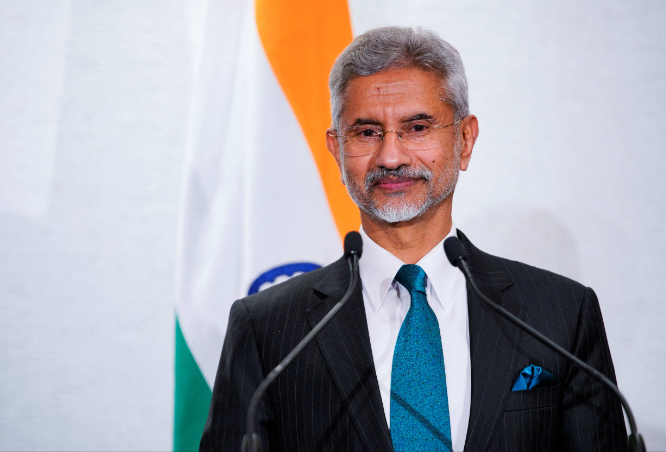
NEW YORK, Sep 29: External Affairs Minister S Jaishankar has cautioned that the world could face a major food crisis in the coming months as ongoing conflicts disrupt energy supplies, grain shipments and fertiliser production, placing additional pressure on economies across the Global South.
Speaking at an event hosted by the Asia Society in New York on Monday, Jaishankar said the Ukraine war and the conflict involving Iran and the Gulf region have had a severe impact on developing economies. He described the prevailing situation as “very very stressful” for countries already facing economic pressures.
Jaishankar highlighted energy security as one of the immediate concerns, saying global oil markets remain tight. He noted that political decisions surrounding energy supplies could further complicate the situation and push prices higher at a time when efforts should focus on stabilising markets.
According to the minister, disruptions to fuel supplies are closely connected with broader economic challenges. Higher energy costs can put additional strain on countries that are also dealing with shortages of food, fertilisers and financial resources.
Turning to food security, Jaishankar said some major grain-exporting countries could face difficulties in shipping supplies, particularly through the Black Sea. Any prolonged disruption in grain trade could have wider consequences for countries that depend heavily on imports to meet domestic food requirements.
He also pointed to growing concerns over fertiliser availability. Major fertiliser-producing regions include Russia and parts of West Asia, where production and supply chains have been affected by conflicts. Reduced access to fertilisers could eventually affect agricultural output and add to pressure on food prices.
Jaishankar said these challenges could become more serious when combined with changing climate conditions, including the possibility of a strong El Nino. The simultaneous pressure on energy, food and fertiliser supplies, he warned, could create a significant crisis in the months ahead.
The minister also raised concerns over access to finance for developing nations during periods of geopolitical uncertainty. He said conflicts generally encourage capital to move towards safer markets, reducing the availability of funds for Global South economies.
According to Jaishankar, the combination of these factors has created an increasingly difficult environment for many developing countries. He stressed that decisions taken by individual nations can have consequences well beyond their own borders.
“Countries should not be so self-centred” that they make decisions without considering how those actions affect others, he said, arguing that greater attention should be given to the basic requirements of vulnerable economies.
Jaishankar said policymakers should use “sound common sense” to ensure that essential needs such as food, energy and finance are not neglected to the point of putting countries under severe stress.
He further linked energy insecurity with political instability, noting that the impact of the Ukraine conflict had already been visible in parts of India’s neighbourhood. He expressed concern that continued instability surrounding Iran and the Gulf could intensify those pressures.
Discussing the ability of countries to maintain strategic independence during such crises, Jaishankar said the response would vary depending on individual circumstances. While some nations would seek to preserve their autonomy, others could face greater pressure to adjust their positions.
He said countries would respond differently depending on the issues involved and the stakes at hand, with some choosing accommodation while others could resist external pressure.
The minister’s remarks come amid continuing concerns over the interconnected effects of geopolitical conflicts on global energy markets, agricultural supplies, trade and financial flows. For developing economies, simultaneous disruptions across these areas could increase economic vulnerabilities in the months ahead.

