


Trump Says Iran Will ‘Give Up’, Claims US Extracted Record Oil From Strait of Hormuz
Trump’s remarks come amid heightened tensions over the strategic waterway, while Tehran warns that regional security cannot be separated from the movement of oil.
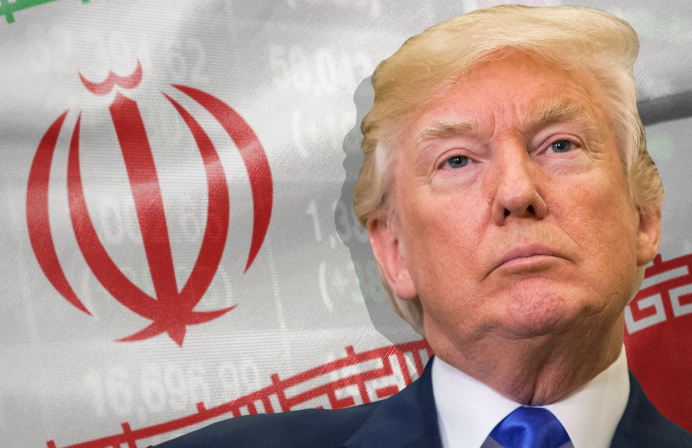
WASHINGTON, Sept 30: US President Donald Trump on Tuesday said Iran would eventually “give up” and claimed that the United States had removed more oil from the Strait of Hormuz in the preceding days than ever before.
Trump made the comments while speaking to reporters at the White House after a luncheon with executives from major technology companies. The meeting focused on the administration’s approach to advanced artificial intelligence and included the signing of a joint commitment concerning the safety of frontier computing models.
“They will give up,” Trump said, adding that the US had taken “more oil out of the Hormuz Strait over the last couple days than at any point in history.”
His remarks came amid continuing tensions surrounding the strategic waterway, through which a significant share of global oil supplies traditionally passes.
At the White House technology gathering, Trump and executives from leading technology firms also signed a document titled “Joint Commitment on Frontier Responsibilities”. The agreement describes a “morally binding” framework featuring four layers of controls and audits intended to strengthen safeguards for advanced computing models.
The commitment followed a summit on what the administration has termed “Super Intelligence”. Discussions at the meeting included concerns raised by technology leaders about the rapid development of frontier AI systems and the potential risks associated with losing control over increasingly advanced models.
Trump separately signed an executive order directing the federal government to replace the terms “Artificial Intelligence” and “AI” with “Super Intelligence” and “SI” in executive branch operations, to the maximum extent permitted by law.
The order, titled “Inaugurating the Era of Super Intelligence”, instructs federal agencies to adopt the new terminology in official settings.
Meanwhile, Iranian Parliament Speaker Mohammad Bagher Ghalibaf issued a warning over the Strait of Hormuz, saying Iran would not accept any threat to its security.
Speaking during a public video conference, Ghalibaf criticised Trump’s earlier comments concerning the waterway and the movement of vessels through it.
He described the US president’s statements as a repetition of previous positions and said Tehran’s stance on the issue was already clear.
“Both Americans and other countries should know: As we said before, in a region where we do not sell oil, no one will sell oil, and if our security is not ensured, no infrastructure will be safe,” Ghalibaf said.
His comments underline Tehran’s position that the security of the waterway and the broader regional situation are closely linked to oil exports.
The developments came as Iranian Foreign Minister Abbas Araghchi departed New York for Tehran after completing diplomatic engagements and consultations, according to Iranian state news agency IRNA.
At the same time, diplomatic efforts continued over the possibility of reaching an understanding between Washington and Tehran on the nuclear issue.
A US official told CNN on Monday that Trump was prepared to consider sanctions relief and the release of frozen Iranian funds as part of a final agreement, provided Tehran demonstrated “concrete progress” on nuclear matters.
The official said the United States was engaged in “positive and constructive discussions through the mediators”, while stressing that an agreement would depend on resolving outstanding nuclear concerns.
Trump had rejected an Iranian proposal concerning the reopening of the Strait of Hormuz on Saturday, describing the offer as unacceptable.
The US official said Tehran had signalled some flexibility regarding nuclear matters, but the two sides remained divided over when commitments would be implemented.
Araghchi said on Monday that Iran had conducted additional indirect discussions with the United States through Qatari mediators in New York, according to Al Jazeera.
He said Tehran was awaiting an official response from Washington and expressed hope that it would arrive by Tuesday.
The diplomatic contacts come against the backdrop of growing tensions over the Strait of Hormuz, with statements from Washington and Tehran indicating that control of the waterway, oil movement and nuclear negotiations remain closely connected to the wider dispute.

