


India’s 2036 Olympics Bid Faces Tough Competition
India sees the 2036 Games as a catalyst for sporting growth but must overcome governance, experience and competition related challenges.
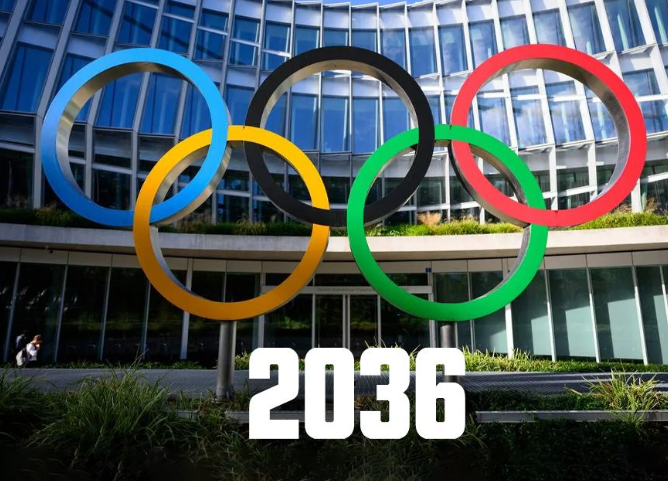
NEW DELHI, Oct 8: India’s bid to host the 2036 Olympic Games has emerged as a major part of the country’s broader ambition to establish itself as a global sporting power, although the campaign faces competition from several nations with considerable experience in hosting major international events.
The International Olympic Committee has identified India, Germany, Qatar, Hungary, Turkey, South Africa and South Korea as countries currently interested in staging the 2036 Summer Olympics. The IOC is expected to shortlist candidates as the bidding process moves forward, with the final host selection scheduled for 2029.
The Indian Olympic Association believes the country has a strong case to present. IOA chief executive officer Raghuram Iyer said India’s growing experience in organising international competitions could help strengthen its candidature.
India has outlined plans to host around 65 international sporting events across 15 cities by 2028. Officials see these competitions as an opportunity to demonstrate organisational capabilities and develop infrastructure that could support a future Olympic Games.
Ahmedabad is expected to be central to India’s proposed Olympic plans. The city has already been identified as the likely focal point of the country’s bid, while preparations for other major sporting events are also expected to contribute to the development of facilities and expertise.
The campaign comes as India seeks to expand its sporting footprint beyond cricket. The country has increased public and private investment in Olympic disciplines, while performances by Indian athletes at international competitions have helped generate greater interest in sports such as shooting, wrestling, badminton, athletics and weightlifting.
Hosting the Olympics would represent a significant step in that transformation. The event would provide India with an opportunity to showcase its infrastructure, transportation systems, sporting facilities and organisational capabilities to a global audience.
However, the bid also faces several challenges.
India has never hosted the Summer Olympics and has limited experience organising a multi-sport event on the scale of the Games. The country also has a relatively modest Olympic medal record compared with several competing bidders.
Governance concerns within Indian sport and past doping-related issues could also become important considerations during the evaluation process. The IOA has therefore been working on reforms intended to improve governance and strengthen India’s sporting ecosystem.
India’s previous experience with the 2010 Commonwealth Games remains another part of the background to the current bid. That event was affected by serious criticism over preparations and governance, although Indian officials argue that the country has gained substantial experience since then.
The IOC’s current bidding system is also different from previous processes. The organisation is expected to engage more closely with potential hosts before narrowing the field, allowing countries to develop their proposals through a strategic dialogue.
India’s supporters believe the country’s scale and economic growth can work in its favour. The government has also presented sport as an important component of its broader development strategy, linking athletic participation with health, youth development and national infrastructure.
The 2036 Games would be particularly significant because India is seeking to host the Olympics for the first time. A successful bid would mark a major change in the country’s relationship with the world’s largest multi-sport event.
Competition is expected to remain intense. Germany has a strong sporting tradition and extensive experience with major events, while South Korea has previously hosted both Summer and Winter Olympics. Qatar has demonstrated its ability to organise major global competitions through the 2022 FIFA World Cup.
Turkey, Hungary and South Africa also bring their own experience and ambitions to the process.
India therefore faces a long campaign rather than a straightforward selection. Officials will need to demonstrate that the country can deliver not only impressive venues but also efficient transport, accommodation, athlete services, security and sustainable infrastructure.
The final decision remains several years away, giving India time to address weaknesses and strengthen its proposal.
For the country’s sporting leadership, the bid represents more than an attempt to secure the Games. It is being positioned as part of a long-term effort to make sport a larger part of Indian society and improve the country’s performance across Olympic disciplines.
If successful, the 2036 Olympics could become a major catalyst for India’s sporting transformation. For now, however, the country faces a competitive bidding process in which infrastructure, governance, sporting development and organisational credibility will all be closely examined.

