


New Zealand Recall Finn Allen, Lockie Ferguson and Tim Seifert for India ODI Series
Rachin Ravindra returns to the one-day squad after a shoulder injury as New Zealand prepare for a demanding multi format home tour against India ahead of the 2027 ODI World Cup.
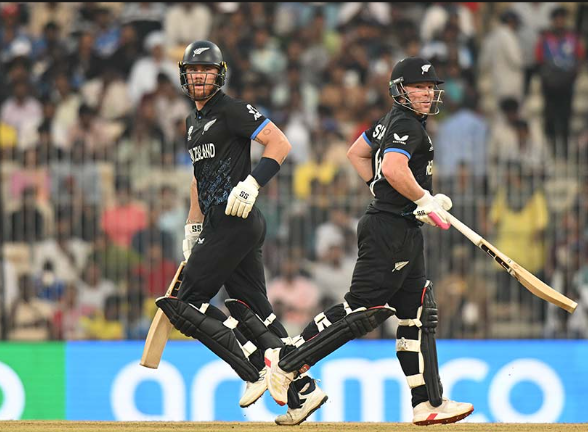
WELLINGTON, Oct 11: New Zealand have recalled Finn Allen, Lockie Ferguson and Tim Seifert to their one day international squad for the upcoming home series against India, strengthening their options ahead of an important season of international cricket.
New Zealand Cricket announced the selections on Sunday, with the returning players expected to add attacking ability, pace and experience to the team’s preparations for the five match ODI series scheduled to begin on November 4.
All-rounder Rachin Ravindra has also returned to the ODI setup after recovering from a shoulder injury. His inclusion provides another option for New Zealand as they look to build a balanced squad capable of competing against one of the strongest teams in international cricket.
The series against India will form part of a wider home programme featuring five Twenty20 internationals, five ODIs and two Test matches. The T20 series is scheduled to begin on October 22, followed by the ODI leg and then the two-Test contest beginning in November.
New Zealand have named separate squads for the first three ODIs and the final two matches, allowing the management to assess players across the series while maintaining flexibility for the longer-format assignments.
Head coach Rob Walter said the team was fortunate to have a large pool of players available for selection. He highlighted the value of bringing back Allen, Ferguson and Seifert, describing them as exciting and proven match winners.
The selections indicate that New Zealand are looking to expand their options and evaluate different combinations well before the next major global tournament.
Allen’s return strengthens the batting options
Finn Allen’s recall is a significant development for New Zealand’s batting plans. Known for his aggressive approach, the opener can put pressure on opposing bowlers during the initial overs and provide his side with rapid starts.
Allen has not featured in a one-day international for New Zealand since 2023. His return gives the selectors an opportunity to assess how his attacking style can fit into the team’s plans for the 50-over format.
Modern ODI cricket increasingly rewards teams that can combine controlled batting with the ability to accelerate quickly. An aggressive opener can change the momentum of an innings by taking advantage of fielding restrictions and forcing opponents to adjust their bowling plans.
However, success in the format also requires players to manage risk, build partnerships and adapt when conditions become difficult. Allen’s performances during the series could therefore help New Zealand determine the best way to use his skills in different match situations.
The management will also need to consider the balance between attacking intent and consistency. Against India’s bowling attack, New Zealand’s top order will be expected to handle both the new ball and changes in bowling strategy during the middle overs.
Allen’s inclusion offers the team another option as it develops its preferred combination for future ODI assignments.
Ferguson adds pace and experience
Fast bowler Lockie Ferguson is another important addition to the squad. His ability to generate pace gives New Zealand an alternative when they need to challenge established batters or change the rhythm of an innings.
Ferguson has not played a 50-over international for New Zealand since 2023. His return will allow the coaching staff to assess his readiness for the demands of ODI cricket and determine how he can contribute to the team’s pace-bowling resources.
Fast bowlers play a crucial role throughout the 50-over format. They are expected to take early wickets with the new ball, restrict scoring during important passages and deliver effective overs at the end of an innings.
Ferguson’s experience could prove useful in those situations, particularly when New Zealand face opponents capable of accelerating rapidly during the final overs.
The team management will nevertheless have to balance workload and fitness while preparing for a schedule that includes three international formats. Careful management of the bowling attack will be essential if New Zealand are to maintain consistency across the series.
His inclusion also creates greater competition for places, giving selectors more choices when deciding the combination best suited to the conditions and opposition.
Seifert provides another batting option
Tim Seifert’s return further expands New Zealand’s choices in the batting department. The wicketkeeper-batter last played an ODI in 2025, and his selection gives the team another experienced option to consider as it assesses its lineup.
Seifert has established himself as an attacking batter in shorter formats. His return to the ODI squad gives the selectors an opportunity to evaluate his role in a longer innings and determine how his style can complement the other batters.
The ability to adapt across formats is particularly valuable during a crowded international calendar. Players must adjust their approach according to the length of the game, the match situation and the demands of the team’s strategy.
For New Zealand, the challenge will be to identify combinations that offer enough batting depth without compromising the balance of the bowling attack.
The selection of multiple returning players also reflects the coaching staff’s willingness to consider different options rather than rely exclusively on the group used in recent matches.
Ravindra’s return boosts all round strength
Rachin Ravindra’s return is another positive development for New Zealand. The all rounder had dislocated his right shoulder during a promotional shoot last month, an injury that ruled him out of the T20 series beginning on October 22.
His return to the ODI squad provides the side with greater flexibility because of his ability to contribute with both bat and ball.
All-rounders are particularly valuable in 50-over cricket, where teams must manage batting depth, bowling resources and the changing demands of a match. A player who can contribute in both departments gives the captain additional tactical options.
Ravindra’s availability will also be important as New Zealand work towards establishing a settled group for the next ODI World Cup, scheduled for 2027.
The medical and coaching staff will need to ensure that his return is managed appropriately following the shoulder injury. Match fitness, workload and recovery will be important considerations as he resumes international duties.
His presence could strengthen the middle order while providing another bowling option, depending on the team’s combination and match conditions.
World Cup preparation shapes selection strategy
The upcoming series against India carries importance beyond the immediate results. With the 2027 ODI World Cup approaching, New Zealand have an opportunity to assess their depth, test combinations and give players meaningful opportunities against high-quality opposition.
India’s visit will provide a demanding examination of the hosts’ batting and bowling resources. Strong performances against a leading international side can help players establish their positions, while difficult outings can highlight areas that require improvement.
The decision to name two ODI squads also allows the selectors to assess a wider group of players during the five-match contest. Changes between the opening three matches and the final two could provide opportunities to test different combinations and manage workloads.
New Zealand’s broader tour schedule makes planning especially important. The team must prepare for T20 cricket, the 50-over format and Test matches within a relatively short period, with each discipline requiring different tactical and physical demands.
The ODI series will therefore serve as an important opportunity to assess the team’s readiness for future international assignments.
For the returning players, selection represents an opportunity to demonstrate their value and secure a place in New Zealand’s longer-term plans. For the management, the challenge will be to turn individual strengths into a cohesive team capable of adapting to different match situations.
As preparations continue, New Zealand will look to use the series to build confidence, improve squad depth and identify the players best equipped to contribute to their 2027 World Cup campaign.

