


Qatar Vows Economic Support, Power Grid Assistance and Reconstruction Aid for Southern Lebanon
Doha plans to support electricity infrastructure, strengthen the Lebanese army and coordinate with Washington on rebuilding war-damaged southern regions to facilitate the return of displaced residents.
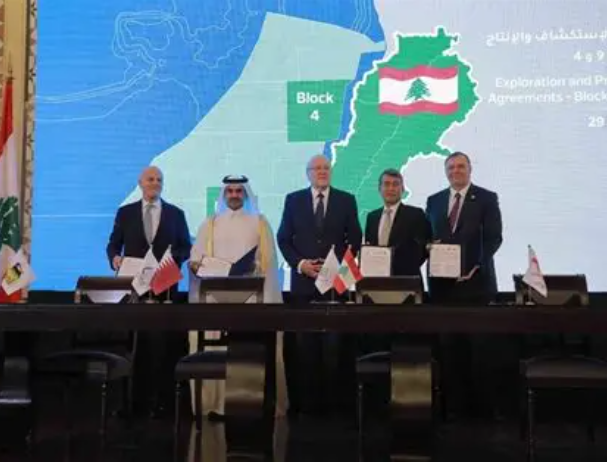
BEIRUT, Oct 16: Qatar has pledged to help Lebanon address its economic crisis, improve its struggling electricity sector and prepare for the reconstruction of areas devastated by the latest Israel-Hezbollah conflict, Qatari Prime Minister Sheikh Mohammed bin Abdulrahman Al Thani said on Friday.
Speaking after talks with Lebanese Prime Minister Nawaf Salam in Beirut, Sheikh Mohammed reaffirmed Doha’s commitment to supporting Lebanon’s economic recovery and maintaining the country’s stability. He also pledged continued assistance to the Lebanese army, describing it as a national institution responsible for protecting the country’s security, unity and stability.
Qatar has maintained close relations with Lebanon and has previously played a mediating role in regional and domestic political disputes. Since Lebanon’s financial collapse began in 2019, Doha has also provided tens of millions of dollars in assistance to the Lebanese military.
A key focus of the latest discussions was the revival of Lebanon’s electricity infrastructure, which has suffered from decades of financial mismanagement, insufficient investment and deteriorating facilities.
Sheikh Mohammed announced that QatarEnergy had reached an agreement with French energy company TotalEnergies to jointly develop a solar power plant in Lebanon. The initiative will serve as an initial project, with the broader objective of attracting investment that benefits the Lebanese economy and the companies involved.
Salam said the government would soon present its plans for the electricity sector to the Cabinet. He added that Qatar would finance, implement and operationalise the proposed project without placing a financial burden on the Lebanese state.
The initiative comes as Lebanon struggles to provide reliable electricity to households and businesses. The state-run electricity company has accumulated approximately USD 40 billion in losses and debt over several decades, amid outdated infrastructure, staffing problems and persistent financial difficulties.
Power supplies remain severely limited, with many areas receiving only a few hours of state-provided electricity daily. Fuel shortages have further aggravated the crisis, forcing households and businesses to depend on private generators and other costly alternatives.
Qatari investment in renewable energy could help Lebanon diversify its electricity supply and reduce pressure on public finances. However, the project’s implementation and its long-term impact will depend on effective planning, infrastructure development and sustained cooperation between the participating companies and Lebanese authorities.
Beyond economic assistance, the Qatari prime minister’s visit also addressed the deteriorating situation in southern Lebanon, where Israeli forces captured numerous villages and towns during the latest conflict with Hezbollah. Israeli military operations have included extensive demolitions in areas occupied by its troops, complicating efforts to restore damaged communities.
During meetings with Lebanese President Joseph Aoun and Parliament Speaker Nabih Berri, Sheikh Mohammed discussed the security situation and the prospects for rebuilding the affected areas.
He called on Israel to withdraw its forces from Lebanese territory and halt attacks inside the country. He also said Qatar was coordinating with the United States to establish the groundwork for reconstruction in the south, with the objective of enabling displaced residents to return to their homes.
The latest Israel-Hezbollah conflict began in early March, after Hezbollah launched rockets towards northern Israel. The escalation followed the start of US and Israeli attacks on Iran on February 28. Iran is Hezbollah’s principal regional backer.
The fighting triggered widespread displacement across Lebanon, placing additional pressure on the country’s already fragile public services and economy. Although a ceasefire reached in June enabled many families to return, a substantial number of people remain unable to go home because of security concerns and damage to residential areas.
According to the International Organisation for Migration, around 1.2 million people were displaced in Lebanon at the height of the conflict, while more than 300,000 remained displaced in the months following the ceasefire.
Reconstruction will require substantial financial resources, the restoration of essential infrastructure and security arrangements that allow residents to return safely. Qatar’s proposed involvement, alongside coordination with Washington, could contribute to these efforts, although the scale and timeline of the rebuilding programme remain uncertain.
The discussions in Beirut highlighted Doha’s intention to combine economic assistance, energy investment and diplomatic engagement to support Lebanon during a period of continuing instability. For the Lebanese government, restoring electricity supplies and rebuilding the south are critical priorities as it seeks to ease the financial crisis and address the humanitarian consequences of the conflict.

