


Delhi Records ‘Poor’ Air Quality as Minimum Temperature Remains Above Normal
The capital recorded an average AQI of 225 at 9 am, while Safdarjung logged a minimum temperature of 19°C, 1.8 degrees above normal.
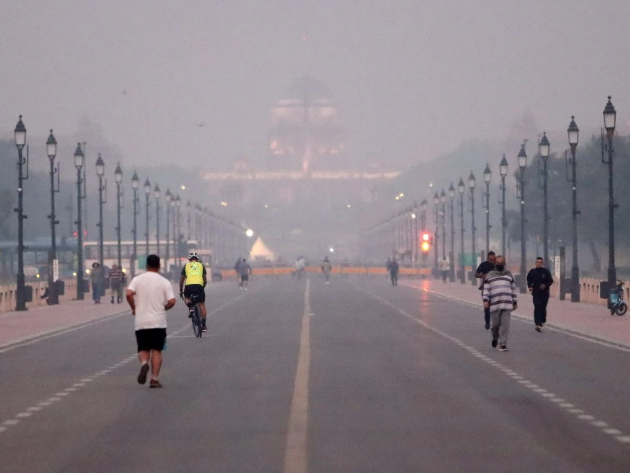
NEW DELHI, Oct 23: Delhi woke up to hazy skies and a layer of smog on Friday, with air quality falling in the ‘poor’ category. The city recorded an average Air Quality Index (AQI) of 225 at 9 am, according to official data.
Alongside deteriorating air quality, minimum temperatures across several monitoring stations remained above normal, indicating relatively warmer morning conditions in the national capital.
Safdarjung, which serves as Delhi’s base weather station, recorded a minimum temperature of 19 degrees Celsius, 1.8 degrees above the seasonal average.
Among the monitoring stations, Palam registered the lowest minimum temperature at 18.3 degrees Celsius, marginally 0.5 degrees above normal. Lodhi Road recorded 18.6 degrees Celsius, which was 2.6 degrees above the seasonal average.
The minimum temperature at Ayanagar stood at 19.1 degrees Celsius, while the Ridge recorded 19.2 degrees Celsius.
The AQI reading of 225 placed Delhi’s air quality in the ‘poor’ category, raising concerns over the impact of pollution on residents, particularly children, older people and those with respiratory or cardiovascular conditions.
The AQI categorises air pollution according to the concentration of pollutants and their potential effects on health. In India, readings between 201 and 300 fall under the ‘poor’ category, when prolonged exposure may cause breathing discomfort among people.
Residents are advised to limit prolonged outdoor exertion when pollution levels remain elevated, particularly if they experience coughing, breathlessness or irritation.
Weather conditions, emissions from vehicles and other sources of pollution can influence air quality, while temperature readings may vary across different parts of the city.
Delhi’s morning readings highlighted two concerns for residents: polluted air and minimum temperatures remaining above the seasonal norm. Further monitoring will be necessary to determine how air quality and weather conditions change through the day.

