


Jio Platforms Debuts With $137 Billion Valuation, Becomes India’s Second-Most Valuable Company
Reliance Industries’ digital and telecom arm surges on its stock-market debut following a record $3.2 billion IPO, strengthening its ambitions in telecommunications, digital services and artificial intelligence.
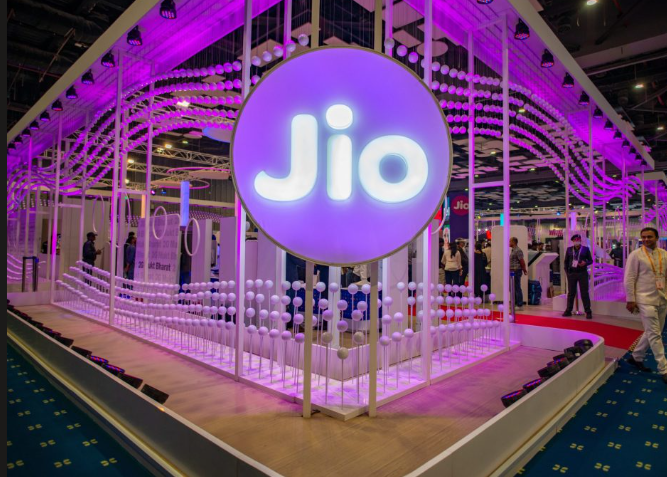
MUMBAI, Oct 28: Reliance Jio Platforms made a powerful debut on the Indian stock market on Wednesday, with its shares climbing sharply above the initial public offering (IPO) price and pushing the company’s valuation to approximately USD 137 billion. The listing marked a major milestone for India’s capital markets and the Reliance Group’s strategy to expand beyond its traditional energy businesses into technology and consumer facing services.
Jio Platforms shares closed at Rs 1,417.50, compared with the IPO price of Rs 1,119, representing a gain of around 27 per cent. The strong performance placed the company among India’s most valuable businesses, second only to its parent, Reliance Industries, by market capitalisation.
The company’s debut followed a USD 3.2 billion public offering, reported as a record-setting IPO for India. The listing attracted significant investor attention, reflecting expectations that Jio could use its extensive telecom customer base, digital infrastructure and growing technology capabilities to establish new sources of revenue.
The market entry also represents a significant development for Reliance Industries Chairman Mukesh Ambani, who has spent years transforming the conglomerate’s business portfolio. Alongside its established interests in oil, refining and chemicals, Reliance has expanded into telecommunications, retail and digital platforms.
Jio’s public listing provides investors with a more direct opportunity to participate in the growth of the group’s digital business. It also places greater attention on the company’s financial performance, investment requirements and ability to convert its large customer base into sustainable earnings.
Telecom Business Remains Jio’s Foundation
Jio has transformed India’s telecommunications market since entering the sector with low-cost data and voice services. Its aggressive pricing strategy helped expand internet access, intensified competition among established operators and accelerated the adoption of mobile data across the country.
The company now serves more than 530 million customers, giving it a substantial distribution network for digital products and services. Its scale provides opportunities to introduce additional offerings to existing subscribers without having to build a new customer base from scratch.
Although Jio has expanded into applications, connected devices and other digital services, telecommunications remains central to its business. The company’s future growth will depend partly on its ability to increase revenue per customer while maintaining competitive pricing and investing in network capacity.
The transition from a telecom operator to a broader technology platform is another important part of its strategy. The company has been developing digital services intended to support consumers and businesses, while exploring the potential of artificial intelligence to improve customer experiences and expand its product portfolio.
Artificial Intelligence Adds to Growth Ambitions
Jio’s technology plans include AI-powered services such as call summaries and transcription tools supporting multiple Indian languages. These offerings could help the company reach a wider range of users and increase the usefulness of its digital ecosystem.
India’s large smartphone market and linguistic diversity create opportunities for technology companies capable of delivering accessible services in regional languages. Jio’s existing network and customer relationships could provide an advantage in distributing such products.
However, translating technological reach into substantial earnings will require continued investment in infrastructure, software development and customer support. AI-related services also face competition from established international technology companies and domestic startups.
The company must demonstrate that its new offerings can generate additional revenue or improve customer retention sufficiently to justify their development costs. Investors will therefore be watching how quickly digital services contribute to the business beyond its core telecom operations.
Jio’s association with major global technology investors, including Meta and Google, further highlights its position within the wider digital economy. Such relationships can provide strategic and commercial opportunities, although the ultimate financial contribution of individual partnerships will depend on their implementation and market adoption.
IPO Proceeds to Support Financial Priorities
A significant portion of the IPO proceeds is expected to be used to repay debt associated with Jio’s telecommunications business. Reuters reported that the company planned to allocate up to USD 2.89 billion of the proceeds towards this purpose.
Debt reduction could strengthen the company’s financial position and provide greater flexibility as it invests in network expansion and emerging technologies. Nevertheless, the scale of future capital expenditure remains an important consideration for shareholders.
Telecommunications businesses require substantial spending on spectrum, network equipment, infrastructure and technology upgrades. As demand for data and advanced connectivity increases, Jio will need to balance these requirements with its objective of generating attractive returns for investors.
The company’s valuation also raises questions about the expectations already reflected in its share price. A strong opening performance can indicate confidence in long-term prospects, but it does not guarantee that the stock will maintain its initial gains.
Market participants will assess the company’s revenue growth, profitability, subscriber trends, debt levels and competitive position as more financial information becomes available following the listing.
A New Chapter for Reliance’s Digital Strategy
The listing is also significant for the Ambani family’s longer-term succession planning. Akash Ambani, Mukesh Ambani’s eldest son, has played a central role in Jio’s development and its transition towards a broader technology-led business.
His leadership places greater responsibility on the next generation to sustain the group’s expansion while managing the demands of a publicly listed company. Investors will be looking for continuity in strategy, effective corporate governance and clear communication about the company’s growth priorities.
For Reliance Industries, the market debut provides a new benchmark for the value of its digital and telecom operations. It could also help sharpen the financial distinction between the group’s established industrial businesses and its technology-focused activities.
The listing comes at a time when investors are assessing the long-term commercial potential of AI, cloud computing, digital payments and online services. Companies with extensive customer networks may be well positioned to benefit, but competition and the cost of technological investment remain significant challenges.
Jio’s debut therefore represents both an achievement and the beginning of a new phase of scrutiny. Its substantial valuation reflects investor confidence in its scale and ambitions, while future performance will depend on whether the company can convert that confidence into sustained earnings growth.
The coming quarters will be important in determining how effectively Jio combines its telecom leadership with digital innovation, strengthens its balance sheet and delivers value to public shareholders.

