


India and Mexico Launch Trade Pact Negotiations to Expand Market Access and Investment
The proposed preferential trade agreement will cover tariffs, customs procedures and trade facilitation, with automobiles, pharmaceuticals, electronics, chemicals and critical minerals identified as potential areas of cooperation.
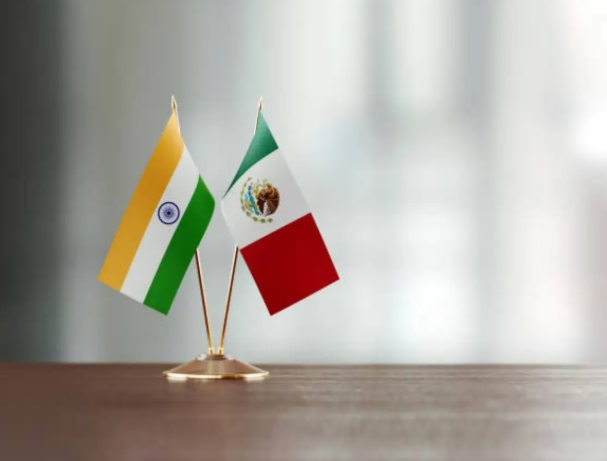
NEW DELHI, Oct 28: India and Mexico have formally launched negotiations for a Preferential Trade Agreement (PTA), taking a step towards expanding bilateral commerce, improving market access and strengthening investment ties between the two economies.
The two countries signed the Terms of Reference (ToR) for the proposed agreement on Wednesday during Commerce Secretary Rajesh Agrawal’s visit to Mexico City. The document establishes the framework, scope and roadmap for negotiations, identifying the principal areas in which both sides intend to explore closer economic cooperation.
The initiative comes as India seeks to diversify its export destinations and strengthen commercial relationships beyond its traditional markets. Mexico, meanwhile, offers Indian companies access to a major Latin American economy with established manufacturing capabilities and extensive links to international supply chains.
According to the Ministry of Commerce and Industry, the proposed agreement is intended to generate new business opportunities, encourage investment and support more resilient and diversified supply networks.
The signing follows an understanding reached between Prime Minister Narendra Modi and Mexican President Claudia Sheinbaum during their meeting on the sidelines of the G7 Summit in Canada in June 2025. The two leaders had agreed to deepen the bilateral partnership and explore opportunities for stronger economic engagement.
The latest development formally moves that commitment into a negotiating process, although the signing of the terms does not mean that tariff concessions or other trade benefits have already come into effect.
Negotiations to Cover Tariffs and Trade Procedures
The Terms of Reference identify several areas for discussion, including market access for goods, rules of origin, customs procedures, trade facilitation, dispute settlement, sanitary and phytosanitary measures, technical barriers to trade and trade remedies.
Market access negotiations will be important for determining whether businesses can obtain improved conditions for selling selected products in the partner country. Depending on the final agreement, the discussions could cover tariff reductions or other measures designed to make cross-border trade more competitive.
Rules of origin will also be central to the negotiations. These rules determine whether a product qualifies for preferential treatment based on where it was manufactured and the origin of its components.
Clear and practical rules could help companies plan production across multiple countries while ensuring that preferential benefits are available to goods that genuinely qualify under the agreement.
Customs procedures and trade facilitation are another significant component. Businesses can face costs arising from documentation, inspections, administrative delays and uncertainty at borders. Improving procedures could help reduce such burdens and make shipments more predictable.
The two governments will also discuss technical standards and regulatory requirements. Differences in product certification, testing and compliance procedures can increase costs for exporters even when tariffs are relatively low.
For agricultural and food products, sanitary and phytosanitary requirements are particularly relevant because importing countries impose rules intended to protect human, animal and plant health.
The inclusion of dispute settlement and trade remedies provides a framework for addressing disagreements that could arise during implementation. These issues can be important in sectors where domestic industries are concerned about import competition or sudden changes in market conditions.
The actual benefits will depend on the final negotiated terms, the products covered and the timetable agreed by both governments.
Automobile Industry Offers Scope for Cooperation
The automobile sector has been identified as one of the potential areas for expanding economic cooperation between India and Mexico.
India has developed a substantial automotive manufacturing base, supported by domestic demand, component suppliers and production facilities serving export markets. Mexican manufacturing is closely integrated with North American supply chains and has a strong industrial ecosystem.
These complementary strengths could create opportunities for manufacturers, component suppliers and technology companies in both countries.
Indian businesses may explore opportunities involving vehicle components, engineering services, selected vehicle categories and automotive technologies. Mexican companies could seek improved access to the Indian market and opportunities to develop partnerships with local manufacturers.
However, the automobile sector is also likely to require careful negotiation. Tariff structures, domestic manufacturing priorities, technical standards and rules of origin can significantly influence trade in vehicles and components.
Any eventual concessions will need to balance opportunities for exporters with the interests of domestic manufacturers and workers.
The agreement could also encourage companies to examine investment partnerships rather than relying exclusively on direct exports. Local manufacturing, supplier agreements and technical collaboration can help businesses navigate regulatory requirements and establish stronger customer relationships.
The commercial outcome will depend on whether both sides can identify products for which improved market access produces clear benefits without creating unacceptable pressures on sensitive industries.
Pharmaceuticals and Medical Devices in Focus
Pharmaceuticals and medical devices represent another area of potential cooperation.
India has a significant pharmaceutical manufacturing industry, including producers of generic medicines and suppliers of healthcare products to international markets. Mexican demand could provide opportunities for Indian manufacturers seeking to expand their overseas business.
Improved trade procedures and greater clarity on regulatory requirements could make it easier for companies to evaluate market entry opportunities. However, pharmaceutical exports are subject to stringent approval, quality-control and product-registration requirements that cannot be resolved solely through tariff concessions.
Manufacturers would need to comply with the applicable rules in Mexico, including requirements relating to product safety, manufacturing standards and authorisation.
Medical devices could offer additional opportunities for companies supplying diagnostic equipment, hospital products and other healthcare technologies. Cooperation could potentially include distribution partnerships, manufacturing arrangements and technical collaboration.
For Mexico, greater engagement with Indian suppliers could broaden sourcing options and create opportunities for more competitive procurement. For Indian businesses, the market could provide an additional destination for products and services.
The scale of these opportunities will depend on the final agreement, the cost of meeting regulatory standards and the ability of exporters to establish reliable local distribution networks.
Electronics, Chemicals and Critical Minerals
Electronics and advanced manufacturing are also among the sectors identified by the two countries as having significant potential.
India has been expanding its electronics production capabilities, including mobile devices, components and other manufactured products. Mexico’s position within international manufacturing networks could create opportunities for Indian suppliers to explore new customers and partnerships.
Trade in electronics is influenced by complex supply chains, with components often crossing several borders before final assembly. Rules of origin and customs provisions could therefore be particularly important in determining whether products qualify for preferential treatment.
Chemicals offer another possible area for growth, covering industrial inputs and products used across manufacturing, agriculture and other sectors. Companies would need to assess demand, product standards, transport costs and the competitive position of existing suppliers.
Critical minerals and energy have also been highlighted as potential areas for cooperation. These resources are increasingly important to industrial production, electricity infrastructure, batteries and advanced technologies.
Stronger commercial relationships could help businesses explore supply arrangements and investment opportunities. However, any progress would depend on resource availability, commercial feasibility, environmental requirements and the terms of future agreements.
The reference to these sectors in the negotiating framework signals areas of interest rather than guaranteeing specific trade concessions or investment commitments.
Diversifying Export Markets and Supply Chains
For India, closer engagement with Mexico forms part of a broader effort to expand international trade relationships and reduce excessive dependence on a limited number of markets.
Access to additional destinations can help exporters spread commercial risks, identify new customers and respond to changes in global demand. It can also encourage companies to improve product quality, pricing and competitiveness.
Mexico’s location and manufacturing links provide a possible platform for businesses looking to understand opportunities across Latin America and North America. However, preferential access to the Mexican market would not automatically confer benefits in other countries, where separate trade agreements and regulatory requirements apply.
Mexican businesses could also benefit from improved opportunities to supply Indian buyers and explore partnerships with local companies.
Diversified supply chains can help businesses respond to disruptions, but they require more than the removal of tariffs. Companies must also consider transport connectivity, logistics costs, payment systems, product certification, financing and the reliability of commercial partners.
The proposed PTA could provide a framework for addressing some of these challenges, depending on the final provisions negotiated by both governments.
Business Mission Proposed for 2027
The Indian and Mexican delegations also discussed the possibility of organising a Mexican business mission to India during the first quarter of 2027.
Such a mission could help companies from both countries identify potential customers, meet suppliers and explore investment opportunities through business-to-business discussions.
Direct engagement between businesses is important because broad trade frameworks do not automatically translate into commercial transactions. Companies need information about market demand, distribution channels, pricing, local regulations and potential partners before committing resources.
A business mission could provide a platform for identifying specific opportunities in manufacturing, pharmaceuticals, electronics, chemicals, medical devices and other sectors under consideration.
It could also help smaller businesses gain a clearer understanding of the partner country’s market and the practical requirements for exporting or investing.
The proposed mission remains subject to further planning. Its impact will depend on the participation of relevant companies, the quality of business matching and whether discussions lead to concrete agreements.
Negotiations Will Determine the Agreement’s Value
The signing of the Terms of Reference marks the beginning of formal negotiations rather than the conclusion of a trade deal.
Both governments will need to work through differences in commercial priorities, identify products suitable for preferential treatment and determine how the agreement will be implemented.
Sensitive industries may require particular attention, as governments typically consider the interests of domestic producers, consumers and workers when negotiating market-opening measures.
The two sides will also need to agree on the extent of tariff concessions, the treatment of non-tariff barriers and the mechanisms for resolving disputes.
For businesses, clarity about the negotiation timetable and eventual implementation arrangements will be important for investment planning. Companies are more likely to make long-term commitments when they have reliable information about future market conditions.
The agreement’s success will ultimately be measured by whether it generates additional trade, improves market access, encourages investment and creates commercially sustainable opportunities for businesses in both countries.
India and Mexico have now established a formal framework for pursuing those objectives. The next stage will determine how far the two economies can translate their complementary strengths into practical gains for exporters, manufacturers and investors.

