


Climate Change Health Risks Intensify as Scientists Urge Global Emergency Response
The 2026 Lancet Countdown report warns that rising temperatures, extreme weather and fossil-fuel pollution are increasing health risks worldwide, prompting experts to call for stronger climate action and better public health preparedness.
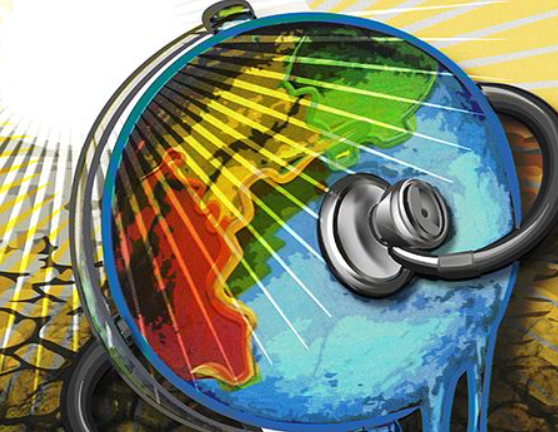
Mumbai, Oct 29 : Climate change is increasingly threatening human health, with rising temperatures, extreme weather events, air pollution and disruptions to food and water supplies contributing to a growing global public health crisis, according to a major report released on October 28.
The 10th annual Lancet Countdown report on health and climate change, prepared by more than 300 researchers in collaboration with the World Health Organization (WHO), highlights the widening gap between the health consequences of global warming and the measures being taken to address them.
The report calls for stronger international action to place public health at the centre of climate policies. Its findings also reinforce calls for the WHO to recognise climate change as a global health emergency, reflecting growing concern among researchers about the scale and speed of climate-related health damage.
The assessment comes a decade after the Paris Agreement established an international framework for limiting global warming. Researchers warn that several indicators of climate-related health risks have deteriorated rather than improved, demonstrating the difficulty of protecting populations while greenhouse gas emissions and dependence on fossil fuels remain high.
Heat-related deaths raise alarm
One of the report’s most concerning findings relates to the growing toll of extreme heat.
Researchers estimated that heat was associated with an average of approximately 540,800 deaths annually between 2016 and 2023. Around 369,900 of these deaths were attributed to climate change, compared with approximately 219,100 annually during the 2006–2015 period.
In 2023, heat was associated with an estimated 710,000 deaths worldwide, with researchers attributing about 71.5 per cent of that toll to climate change.
The findings underline the dangers of prolonged heat exposure, particularly for older people, outdoor workers, individuals with existing health conditions and communities without reliable access to cooling facilities.
High temperatures can place considerable pressure on the cardiovascular and respiratory systems, increase the risk of dehydration and heatstroke, and aggravate existing illnesses. Heat can also disrupt sleep, reduce the ability to work safely and increase pressure on emergency medical services.
The burden is not distributed equally. People living in poorly ventilated housing, informal settlements and areas with limited healthcare infrastructure may face greater exposure and have fewer resources to protect themselves.
Researchers say governments need to strengthen heat-health action plans, improve early-warning systems and ensure that vulnerable populations can access drinking water, cooling facilities and timely medical assistance.
India faces growing climate-related health risks
India is particularly vulnerable to climate-related health pressures because of its large population, extensive outdoor workforce and exposure to extreme heat, flooding and changing patterns of infectious diseases.
A separate assessment of India’s climate-health challenges published on October 28 highlighted the growing effects of heat exposure on health, livelihoods and economic activity.
According to the findings reported by The Indian Express, half of the heatwave days experienced in India between 2016 and 2025 were attributable to climate change. Heat exposure was also associated with an estimated 193 billion potential labour hours lost annually.
The figures illustrate that the effects of extreme heat extend beyond immediate medical emergencies. High temperatures can reduce workers’ productivity, interfere with sleep and increase the difficulty of carrying out physically demanding tasks, particularly in construction, agriculture, transport and other outdoor occupations.
Heat-related risks can also affect children, pregnant women, older adults and people who must work outdoors despite unsafe temperatures.
India has introduced heat action plans in several locations, but the report’s findings underline the importance of improving coordination between weather agencies, health departments, local administrations and emergency services.
Public health authorities can reduce risks by communicating heat warnings in advance, adapting work schedules during extreme conditions, expanding access to drinking water and cooling spaces, and training healthcare workers to recognise heat-related illness.
Urban planning is another important factor. Expanding tree cover, improving ventilation, protecting water bodies and reducing the heat absorbed by roads and buildings can help limit exposure in densely populated areas.
Drought and extreme rainfall threaten food and water security
The report also highlights the health consequences of increasingly severe droughts and extreme rainfall.
In 2025, drought affected more than half of the world’s land area for at least one month, according to the assessment. The proportion of land affected reached 51.8 per cent, representing a substantial increase compared with the previous decade.
Prolonged drought can reduce agricultural production, place pressure on drinking-water supplies and contribute to food insecurity. When nutritious food becomes less accessible or more expensive, low-income households may be disproportionately affected.
Water scarcity can also complicate sanitation and hygiene, increasing the risk of disease in communities with inadequate infrastructure.
At the other end of the weather spectrum, intense rainfall and flooding can contaminate drinking-water sources, damage sanitation systems and increase the likelihood of waterborne infections. Floods and landslides can also disrupt transport links, isolate communities and delay access to medical treatment.
The researchers estimated that an average of 17.2 per cent of land areas experienced extreme rainfall annually between 2016 and 2025, compared with 14.8 per cent during the preceding decade.
These developments present challenges for countries that already struggle to provide reliable water, sanitation and healthcare services. Preparedness therefore requires more than emergency medical response; it also involves protecting water supplies, strengthening drainage systems, monitoring infectious diseases and ensuring continuity of healthcare during disasters.
Air pollution remains a major health burden
Despite the continuing risks associated with fossil fuels, the report also identifies evidence that reducing air pollution can deliver substantial health benefits.
Researchers estimated that declining fossil-fuel-related air pollution since 2016 helped prevent approximately 323,000 deaths annually across 77 countries.
However, pollution linked to fossil fuels, particularly coal and oil, was still estimated to cause around 2.73 million deaths globally each year.
Air pollution is associated with serious respiratory and cardiovascular effects and can worsen conditions such as asthma and chronic lung disease. Children and older adults are particularly vulnerable, while prolonged exposure can affect people across all age groups.
The findings strengthen the case for cleaner energy, improved public transport, stricter pollution controls and greater investment in renewable power.
The report also warns that government support for fossil fuels remains a major obstacle. It estimates that fossil-fuel subsidies have doubled since 2016, reaching a cumulative total of approximately USD 6.2 trillion since the Paris Agreement was implemented.
Researchers argue that financial resources directed towards fossil fuels could be used more effectively to support cleaner energy systems, strengthen healthcare infrastructure and protect communities from climate-related risks.
Health systems need stronger climate preparedness
The report stresses that health systems must prepare for a wider range of climate related emergencies.
Hospitals may face increased demand during heatwaves, flooding and outbreaks of infectious diseases. At the same time, extreme weather can disrupt electricity supplies, damage facilities, interrupt medicine distribution and prevent patients from reaching healthcare providers.
Preparedness measures include climate-resilient hospitals, dependable backup power, emergency water supplies, improved disease surveillance and contingency plans for essential medicines.
Health authorities also need reliable data to identify populations at greatest risk and direct resources where they can have the greatest effect.
Integrating climate information into health planning can help officials anticipate periods of increased illness, prepare emergency services and communicate practical advice before dangerous conditions develop.
The report’s findings also point to the importance of international cooperation. Countries with fewer financial resources may face significant adaptation needs despite having limited capacity to finance the necessary infrastructure.
According to the assessment, the minimum cost of meeting health adaptation needs across approximately 50 developing countries was estimated at USD 3.3 billion. Only about one-third of those identified needs received financial commitments in 2024.
Scientists call for urgent policy action
The researchers argue that climate change should no longer be treated solely as an environmental or economic issue. Its effects on mortality, nutrition, infectious diseases, occupational safety and healthcare access make it a central public health concern.
WHO Director-General Tedros Adhanom Ghebreyesus has emphasised that placing health at the centre of climate policies can help save lives and build more resilient communities.
The report’s authors have called for stronger political commitments, increased adaptation funding and faster reductions in greenhouse gas emissions. They also want the international health community to consider a formal WHO instrument recognising climate change as a global health emergency.
As governments prepare for the United Nations climate conference scheduled to take place in Antalya, Türkiye, in November, the findings are expected to add urgency to discussions on emissions reduction, climate financing and public health protection.
The central message is that climate action and healthcare planning cannot be separated. Reducing pollution, protecting vulnerable populations and preparing medical systems for extreme weather could deliver immediate health benefits while helping countries respond to the longer-term consequences of global warming.

