


UP Government Allows Appointments Before Completion of Character Verification
UP's new unified guidelines allow selected candidates to receive conditional appointment letters while police verification is pending, with reports to be completed within 30 days.
Lucknow, Oct 29: The Uttar Pradesh government has introduced a new policy allowing candidates selected for government jobs to receive appointment letters without waiting for the completion of police character verification, in a move aimed at speeding up recruitment and reducing procedural delays.
Under the revised guidelines, appointing authorities can issue appointment letters after obtaining the prescribed verification form and a self-declaration from candidates, even if their police verification reports are still pending. However, such appointments will remain subject to satisfactory verification.
The police and other concerned authorities have been directed to complete the verification process and submit their reports within 30 days of receiving a reference.
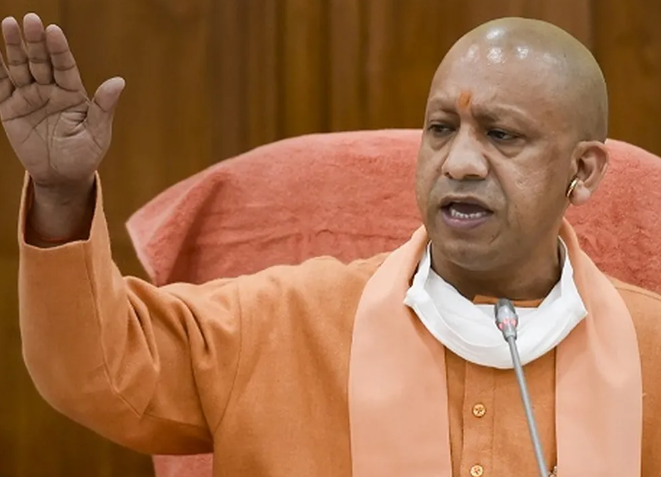
According to an official statement, the Yogi Adityanath-led government has consolidated the existing instructions into a uniform set of guidelines governing character and antecedent verification for first-time appointments across various departments.
The government order, issued by Principal Secretary M Devaraj, specifies that pending verification reports alone should not become a reason for withholding appointment letters. The objective is to ensure that selected candidates do not face unnecessary delays in joining government service.
An exception has been made for posts involving security-sensitive responsibilities. In such cases, appointments will be issued only after detailed verification is completed, following the prescribed procedure and obtaining prior approval from the chief minister.
The revised policy also seeks to make the verification process less cumbersome for applicants. Under normal circumstances, police personnel or the Local Intelligence Unit (LIU) will not visit candidates’ residences for inquiries. Applicants will neither be required to appear personally before authorities nor asked to submit additional documents.
Instead, verification will primarily be conducted using available official records. However, the district magistrate may direct a physical inquiry in exceptional cases if the appointing authority considers it necessary.
The Director General of Police (Intelligence) and district magistrates have been instructed to ensure that verification reports are submitted within the stipulated 30-day period. If a report is not received within this timeframe, the appointing authority will approach the Home Department to facilitate further action.
The policy has also clarified how candidates with criminal cases will be assessed. The registration of an FIR, an ongoing investigation or the submission of a chargesheet will not, by itself, result in automatic disqualification.
Authorities will examine the seriousness and nature of the alleged offence, along with the stage of the judicial proceedings, before deciding a candidate’s eligibility.
For certain categories of serious offences, disqualification will apply once a court frames charges or records a conviction. In other specified categories, a conviction will be required before a candidate can be declared ineligible.
Relief has also been provided to applicants who have secured a final acquittal, cases that have been lawfully settled and matters involving certain minor offences.
At the same time, the government has made it mandatory for candidates to disclose all relevant information about criminal cases against them. Any intentional suppression of facts or submission of false declarations could result in cancellation of the appointment and legal proceedings.
The guidelines further provide safeguards for candidates against adverse verification findings. If the police or LIU submits an unfavourable report, the concerned district magistrate must give the candidate an opportunity to explain their position before forwarding the findings to the appointing authority. The hearing may also take place through an online platform.
Government employees already serving in the state will not be required to undergo character verification afresh. If necessary, the concerned authorities may obtain relevant information from their previous departments.
For applicants who have resided outside Uttar Pradesh for at least one year during the preceding five years, verification details will also be sought from the police authorities of the respective states.
The new framework will cover direct recruitment in government departments, corporations, councils, educational institutions, autonomous organisations, public undertakings and local bodies.
The government has also clarified that recruitment-related verification matters currently pending before different authorities will be processed under the revised guidelines.
With these changes, the state government aims to make recruitment more efficient, reduce administrative hurdles and provide timely employment opportunities to selected candidates while maintaining necessary checks on their backgrounds.

