


Indian Hotels, Adani Airports Join Hands to Develop Eight Hotels With Over 2,000 Rooms
The partnership will expand airport-linked accommodation across major Indian cities, combining Adani's aviation infrastructure network with IHCL's hospitality expertise.
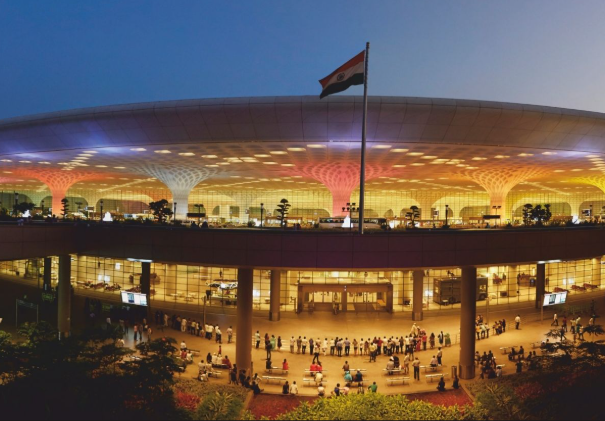
India : Indian Hotels Company Limited (IHCL), which operates the Taj Hotels brand, has entered into a multi-hotel operating agreement with Adani Airport Holdings Limited (AAHL) to develop and operate eight airport-linked hotels comprising more than 2,000 rooms across key Indian cities.
The partnership marks a significant expansion of the hospitality business around India’s rapidly growing aviation infrastructure and reflects increasing interest in airport-linked commercial developments.
Under the agreement, the proposed hotels will be located across major aviation centres, including Mumbai, Ahmedabad, Lucknow and Guwahati. The initiative is expected to strengthen accommodation facilities for domestic and international travellers while creating additional opportunities in India’s organised hospitality sector.
The announcement, reported on October 30, comes amid rising demand for hotels located close to airports, particularly in cities witnessing increased passenger movement, business travel and infrastructure investment.
India’s aviation industry has expanded considerably over the past decade, supported by increasing passenger traffic, the development of new airports and improvements in regional connectivity. The growth has encouraged hospitality companies to explore opportunities beyond traditional city-centre hotels.
Airport hotels serve a different category of customers compared with conventional leisure properties. Their guests include business travellers, airline crew members, passengers with connecting flights, international visitors and people attending conferences or commercial meetings.
The availability of quality accommodation near airports can also benefit travellers facing flight delays, early departures or extended transit periods.
For IHCL, the agreement provides an opportunity to expand its operating portfolio by entering additional locations associated with airport infrastructure. The company has a strong presence in India’s hospitality industry through its Taj, Vivanta, SeleQtions, Ginger and other hotel brands.
Its business strategy has increasingly focused on expanding its portfolio through management contracts, partnerships and new hotel developments. Such arrangements allow hospitality companies to increase their operating presence without necessarily undertaking the entire financial burden of property ownership.
The agreement with Adani Airport Holdings also highlights the growing relationship between aviation infrastructure and hospitality investment.
Airport operators are increasingly looking beyond passenger terminals and aviation-related services to develop integrated commercial destinations. Hotels, retail outlets, restaurants, office spaces and convention facilities can contribute to the overall commercial value of airport developments.
Adani Airport Holdings operates a portfolio of airports in India and has been investing in modernising infrastructure, expanding passenger facilities and improving the overall travel experience.
The company’s airport network provides an opportunity to develop hospitality facilities at locations where passenger movement creates sustained demand for accommodation.
The partnership is also expected to support the broader development of airport-based commercial ecosystems. As passenger numbers increase, the need for supporting infrastructure becomes more important, particularly in major metropolitan centres and emerging regional aviation hubs.
Mumbai, one of India’s busiest aviation markets, represents a particularly important opportunity for hotel operators. The city attracts domestic and international business travellers, tourists and corporate visitors throughout the year.
Ahmedabad has also emerged as an important commercial and industrial destination, supported by manufacturing, trade, infrastructure development and business activity. Its growing aviation connectivity has increased the importance of hospitality facilities catering to corporate and transit travellers.
Lucknow serves as a major administrative, commercial and educational centre in northern India. Improved connectivity and infrastructure development have strengthened its position as a destination for business and leisure travel.
Guwahati, meanwhile, plays an important role as a gateway to northeastern India. The city serves travellers visiting neighbouring states for tourism, trade, education and government-related activities.
Developing airport-linked hotels in these locations could help meet the accommodation requirements of different categories of passengers while strengthening the hospitality infrastructure around regional aviation centres.
The proposed addition of more than 2,000 rooms is also significant for India’s organised hotel industry, which has been witnessing growing demand from business travellers and domestic tourists.
Hotel companies have increasingly been looking at asset-light expansion models, under which they manage properties owned or developed by other entities. Such arrangements can help operators expand their networks while generating management fees and operating revenue.
For property developers and infrastructure companies, partnering with established hotel brands can improve the commercial attractiveness of their projects. Recognised hospitality operators bring established management systems, marketing networks, customer loyalty programmes and operational expertise.
The agreement therefore combines Adani’s airport infrastructure presence with IHCL’s hospitality management experience.
The collaboration comes at a time when India’s tourism and travel sectors are undergoing significant changes. Improved road connectivity, expanding air services and rising disposable incomes have increased the number of people travelling for business and leisure.
Domestic tourism has become an important source of demand for hotels, while international arrivals continue to support premium hospitality properties in major cities and tourist destinations.
Business travel also remains a major component of hotel demand. Corporate meetings, exhibitions, conferences and commercial activities generate demand for accommodation close to airports and business districts.
Airport hotels can benefit from a combination of overnight stays, short-duration bookings, food and beverage services, meeting facilities and other hospitality-related activities.
However, the success of the proposed development will depend on factors such as construction schedules, operating costs, occupancy levels and the ability to attract sufficient demand.
The hospitality industry is also exposed to fluctuations in operating expenses, including employee costs, energy prices, maintenance and food supplies. Hotel operators must maintain service standards while managing these expenses to protect profitability.
Competition is another important consideration. Several established hotel groups and independent operators are expanding their presence around major airports, creating pressure to offer competitive pricing and consistent service quality.
IHCL’s established brands could provide an advantage in attracting corporate customers and travellers seeking recognised accommodation standards.
The partnership also reflects the increasing importance of non-aeronautical revenue for airport operators. Commercial activities such as hospitality, retail and food services can diversify income sources beyond passenger and airline-related charges.
As airport infrastructure expands, the development of surrounding commercial facilities can contribute to regional economic activity and employment generation.
The proposed hotels could create opportunities across hospitality management, food services, housekeeping, security, maintenance and other supporting industries, although the actual employment impact will depend on the scale and timing of individual projects.
The agreement is also consistent with the broader trend of infrastructure-led commercial development in India, where airports are increasingly being viewed as important economic centres rather than simply transportation facilities.
For IHCL, the collaboration offers another opportunity to strengthen its presence in the domestic market and benefit from long-term growth in travel demand.
For Adani Airport Holdings, the partnership brings an established hospitality operator into its airport ecosystem, potentially improving the range of services available to passengers and visitors.
The announcement highlights how companies from different sectors are increasingly collaborating to capture opportunities created by India’s expanding aviation and tourism markets.
With more than 2,000 rooms planned across eight airport-linked hotels, the initiative represents a notable development in the country’s hospitality landscape. Its long-term success will depend on timely execution, passenger growth and the ability to establish commercially viable hotel operations at the selected locations.
As India’s aviation network continues to develop, partnerships between airport operators and hospitality companies are likely to become an increasingly important part of the country’s infrastructure and tourism growth story.

