


IIT Kharagpur, Tripura Government Join Hands to Strengthen Higher Education
The proposed Centre for Advanced Learning, Research and Innovation will promote AI-based education, faculty development, research, entrepreneurship and employment opportunities in Tripura.
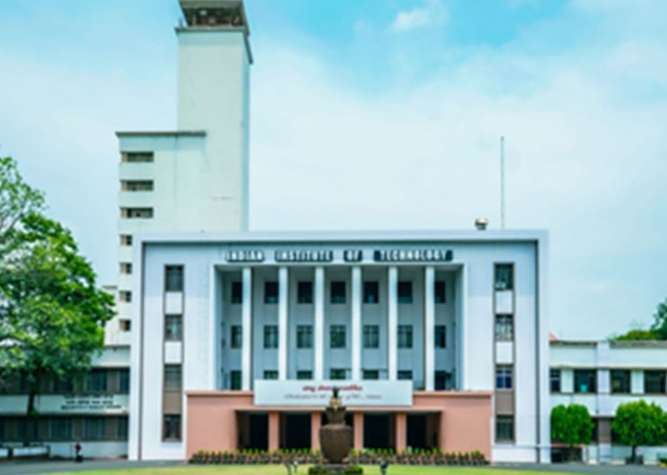
India : The Indian Institute of Technology (IIT) Kharagpur and the Tripura government have joined hands to strengthen higher education, research and innovation in the northeastern state through the establishment of a Centre for Advanced Learning, Research and Innovation.
The agreement, signed on Thursday between IIT Kharagpur and the Tripura government’s Higher Education Department, aims to improve the academic and research capabilities of universities and government degree colleges while creating new opportunities for students in emerging technological fields.
The proposed centre is expected to focus on artificial intelligence enabled education, faculty development, advanced technologies, startup incubation and employment generation.
The collaboration represents an effort to connect a leading national technical institution with higher education institutions in the Northeast, where improving research infrastructure and expanding access to advanced learning opportunities remain important priorities.
The partnership is also expected to encourage greater academic interaction between institutions, promote innovation and help students acquire skills relevant to the changing employment environment.
Focus on advanced learning and research
The proposed Centre for Advanced Learning, Research and Innovation (CALRI) is intended to serve as a platform for strengthening the academic ecosystem in Tripura.
The initiative will focus on areas where technical expertise, research facilities and institutional collaboration can contribute to improving the quality of higher education.
Universities and government degree colleges in the state are expected to benefit from the expertise and academic resources associated with IIT Kharagpur.
The collaboration could help institutions expand their exposure to advanced research methodologies, emerging technologies and interdisciplinary learning.
Research is increasingly becoming an important component of higher education, particularly as countries seek to develop solutions to challenges involving technology, healthcare, agriculture, energy and sustainable development.
For institutions with limited research infrastructure, partnerships with established technical institutes can provide access to specialised knowledge and opportunities for academic development.
The proposed centre is expected to help create a stronger connection between classroom education and research-oriented learning.
Artificial intelligence to play an important role
One of the key areas identified under the collaboration is artificial intelligence-enabled education.
AI is transforming teaching, learning and research across the world. Educational institutions are increasingly exploring its use in academic support, personalised learning, research assistance and administrative management.
The proposed centre could provide opportunities for students and teachers in Tripura to become more familiar with emerging AI applications and their potential uses.
Exposure to artificial intelligence and related technologies is particularly important for students preparing to enter industries where digital knowledge and technical skills are becoming increasingly valuable.
The initiative also creates scope for faculty development programmes that could help teachers understand new technological tools and incorporate them into academic activities.
However, the successful use of AI in education requires more than access to digital platforms. Teachers and students need appropriate training to understand how these technologies work, evaluate the information they generate and use them responsibly.
Academic institutions must also ensure that technological adoption supports learning rather than replacing essential teaching and research activities.
Faculty development and institutional cooperation
Faculty development is another major component of the proposed partnership.
Teachers play a central role in determining the quality of higher education, and their ability to adapt to new academic and technological developments is essential for institutional progress.
The collaboration could provide opportunities for faculty members from Tripura’s universities and government colleges to interact with experts from IIT Kharagpur.
Such engagement may help educators strengthen their research capabilities, improve teaching methods and gain exposure to emerging academic disciplines.
Faculty development programmes can also encourage collaborative research projects and create opportunities for knowledge exchange between institutions.
For government colleges, such initiatives may be particularly useful in expanding academic exposure and improving the availability of specialised teaching expertise.
The partnership could also encourage institutions to develop stronger academic networks and explore joint programmes in areas where technical knowledge and research experience are required.
Startup incubation and entrepreneurship opportunities
The proposed centre will also focus on startup incubation, highlighting the importance of entrepreneurship in the higher education ecosystem.
Universities and technical institutions are increasingly being viewed as important centres for innovation, where students and researchers can develop ideas into practical products, services and businesses.
Startup incubation facilities can provide aspiring entrepreneurs with guidance, mentoring and opportunities to refine their business concepts.
For students in Tripura, access to such support could encourage the development of locally relevant solutions and innovative enterprises.
The Northeast has considerable potential in areas such as agriculture, food processing, tourism, renewable energy, healthcare and digital services.
Young innovators could explore technological solutions to challenges in these sectors while creating employment opportunities within the region.
However, developing a successful startup ecosystem requires sustained institutional support, access to finance, mentorship and links with industry.
The proposed centre’s focus on incubation could help create an environment in which academic ideas receive greater attention and practical support.
Expanding employment opportunities
Employment generation is another important objective of the collaboration.
The changing nature of the job market has increased demand for candidates with knowledge of advanced technologies, analytical abilities and practical experience.
Traditional academic qualifications remain important, but employers are increasingly looking for individuals who can apply their knowledge to solve real-world problems.
By promoting advanced learning and technical exposure, the initiative aims to improve the preparedness of students for emerging employment opportunities.
Students could benefit from greater awareness of career possibilities in technology, research, entrepreneurship and other specialised fields.
The focus on industry-relevant skills is also expected to help higher education institutions respond more effectively to changing workforce requirements.
For Tripura, expanding access to quality technical education and research opportunities could contribute to developing a stronger pool of skilled graduates.
It may also encourage talented students to explore professional opportunities within the state rather than depending entirely on institutions and employment markets outside the region.
Importance for higher education in the Northeast
The partnership comes at a time when improving the quality and accessibility of higher education in northeastern India remains a significant policy objective.
Geographical challenges, infrastructure limitations and differences in institutional resources can affect the opportunities available to students across the region.
Collaborations between established national institutions and state universities can help reduce some of these gaps by encouraging knowledge sharing and academic cooperation.
IIT Kharagpur’s involvement provides an opportunity to connect Tripura’s higher education institutions with expertise in engineering, technology and research.
Such partnerships can also encourage students and faculty members to participate in academic activities beyond their immediate institutional environment.
The initiative could contribute to a more connected higher education network in which institutions work together to improve teaching, research and innovation.
Aligning education with future requirements
The collaboration also reflects the growing importance of multidisciplinary education and innovation in India’s higher education system.
The National Education Policy 2020 has emphasised the need to strengthen research, promote technology-based learning and encourage institutions to develop stronger links with industry and other academic organisations.
The proposed centre’s focus on artificial intelligence, faculty development and entrepreneurship is broadly aligned with these priorities.
For students, the benefits of such initiatives will depend on how effectively opportunities are translated into practical academic programmes, research activities and career support.
Institutions will also need to ensure that students from different backgrounds have equal access to the facilities and programmes developed through the partnership.
The establishment of CALRI could mark an important step in strengthening Tripura’s higher education ecosystem.
Its long-term impact will depend on effective implementation, sustained cooperation and the ability to turn research and innovation into meaningful opportunities for students and institutions across the state.

