


Centre Strengthens Monitoring of Pollution Related Diseases Amid Rising Air Pollution
Hospitals asked to record respiratory and cardiovascular illnesses systematically as toxic smog worsens across northern India.
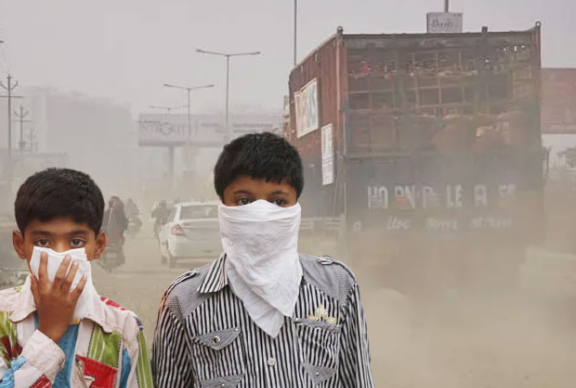
NEW DELHI, Nov. 3: With air pollution levels deteriorating across several parts of northern India, the Union Health Ministry has directed states and Union Territories to strengthen the monitoring of pollution related illnesses and improve the identification of patients suffering from respiratory and cardiovascular complications.
The initiative aims to establish a more comprehensive understanding of the health consequences of prolonged exposure to polluted air, particularly during the winter months when deteriorating weather conditions and stagnant winds contribute to the accumulation of harmful pollutants.
Under the revised directions, hospitals operating cardio-respiratory health effects screening and treatment (Chest) clinics have been instructed to maintain daily records of patients and systematically document suspected pollution-related health conditions. Medical institutions will also be required to classify cases using standardised disease codes and regularly submit information to the concerned health authorities.
According to officials familiar with the ministry’s communication, hospitals will share daily patient figures with district and state health departments. The collected information will subsequently be consolidated and submitted to the National Centre for Disease Control (NCDC) every month.
The ministry has also introduced fortnightly reviews to assess the implementation of the programme and ensure that healthcare facilities follow the prescribed monitoring procedures.
The move comes at a time when air pollution has emerged as a major public health concern across the Indo-Gangetic plains, with millions of people exposed to elevated concentrations of particulate matter and other harmful pollutants.
Delhi-NCR has witnessed a particularly sharp deterioration in air quality. On November 3, Delhi’s Air Quality Index (AQI) reached 332, placing it in the ‘very poor’ category, according to the Central Pollution Control Board’s monitoring system. Jahangirpuri recorded an AQI of 452, entering the ‘severe’ category.
The worsening conditions followed a significant increase in pollution levels over the preceding days. Delhi’s AQI rose from 117 on October 31 to 324 on November 2, prompting the Commission for Air Quality Management (CAQM) to invoke Stage II of the Graded Response Action Plan.
Under the restrictions, authorities intensified mechanical road sweeping, water sprinkling with dust suppressants and inspections at identified pollution hotspots. The measures were intended to reduce the concentration of airborne dust and prevent further deterioration in environmental conditions.
The health ministry’s latest instructions seek to connect environmental monitoring with medical surveillance so that the impact of deteriorating air quality can be assessed through hospital data.
Standardised Reporting System
The new monitoring framework requires healthcare professionals to use the World Health Organization’s International Classification of Diseases codes while documenting cases associated with air pollution.
The classification system will help hospitals distinguish between people exposed to polluted air without displaying symptoms, patients experiencing respiratory or other related complaints, and individuals diagnosed with illnesses potentially associated with environmental pollution.
Standardised documentation is expected to improve the consistency of information collected by different hospitals and make it easier for health authorities to identify emerging patterns.
The ministry has also called for screening, risk communication, proper diagnosis and timely treatment of patients reporting symptoms that could be linked to air pollution.
Hospitals have been asked to ensure the availability of essential medicines, medical equipment and other consumables required for managing respiratory and cardiovascular complications.
The programme is being implemented under the National Programme on Climate Change and Human Health, which operates through the NCDC.
As part of the initiative, specialised Chest clinics are established at district hospitals and medical colleges during the September-to-February period. These facilities are intended to provide screening, diagnosis, treatment and counselling services for people affected by air pollution.
The ministry has also emphasised the importance of linking these clinics with Ayushman Arogya Mandirs to ensure continued monitoring of patients who require follow-up care.
Accredited frontline health workers, including ASHA workers, are expected to play an important role in identifying vulnerable individuals and helping them access appropriate medical assistance.
Growing Health Burden
Medical experts have repeatedly warned that prolonged exposure to fine particulate matter can contribute to serious health complications, including asthma, chronic obstructive pulmonary disease, cardiovascular disorders, stroke and lung cancer.
Fine particulate matter, particularly PM2.5, is considered dangerous because its extremely small particles can penetrate deep into the respiratory system and enter the bloodstream.
Children, older adults, pregnant women and individuals already suffering from respiratory or heart-related conditions are particularly vulnerable to the effects of polluted air.
A study published in The Lancet Planetary Health in 2024 estimated that long-term exposure to fine particulate matter was associated with approximately 16.6 million deaths in India between 2009 and 2019, averaging around 1.5 million deaths annually under the study’s assessment.
The findings highlighted the substantial public health burden associated with air pollution and the need for stronger preventive measures.
Former World Health Organization chief scientist and former Director General of the Indian Council of Medical Research, Dr. Soumya Swaminathan, has stressed that collecting information about pollution-related illnesses must be accompanied by coordinated action to reduce emissions.
According to her, pollution contributes to a substantial number of premature deaths in India, while sudden increases in pollution levels can lead to more hospital visits involving asthma attacks, worsening COPD symptoms and cardiovascular emergencies.
She has also emphasised that air pollution cannot be addressed through isolated measures restricted to individual cities.
Transport emissions, industrial pollution, construction dust, agricultural residue burning and household fuel use all contribute to the problem. Addressing these sources requires sustained cooperation among governments and agencies across the Indo-Gangetic region.
Hospitals Report Increase in Respiratory Complaints
Doctors in Delhi have also reported an increase in patients experiencing respiratory allergies and aggravated asthma symptoms amid changing weather conditions and worsening air quality.
Dr. Dhiren Gupta, senior consultant and co-director of the paediatric intensive care unit at Sir Ganga Ram Hospital, said the hospital had witnessed a noticeable rise in patient visits involving acute respiratory allergies and severe asthma exacerbations.
He pointed out that seasonal changes, viral infections and air pollution can produce similar symptoms, making it difficult to determine the precise contribution of each factor in individual cases.
This diagnostic challenge is one of the reasons health authorities are seeking more consistent patient records and standardised reporting procedures.
Medical professionals say that patients experiencing persistent coughing, breathing difficulties, chest tightness or worsening asthma symptoms should seek medical advice rather than ignoring the complaints.
Children with existing respiratory conditions may require particular attention during periods of severe pollution.
Doctors have also advised families to maintain prescribed medication schedules, including inhalers, and avoid unnecessary exposure to outdoor pollutants when air quality is particularly poor.
Adequate hydration and reducing indoor pollution sources, including smoke and incense, have also been recommended as precautionary measures.
Need for Wider Preventive Measures
Although the ministry’s latest instructions are expected to improve the availability of health-related information, experts believe that surveillance alone cannot resolve the problem.
A comprehensive response requires stronger pollution control enforcement, improved public transport, better management of construction activities and effective action against industrial emissions.
Agricultural residue burning also remains a concern during the post harvest period, particularly when weather conditions prevent pollutants from dispersing.
Authorities in Delhi and neighbouring states have introduced several measures under the Graded Response Action Plan, but their effectiveness depends on consistent implementation and coordination between different departments.
Environmental experts have called for greater public participation in identifying pollution sources and reporting violations, particularly in areas where industrial activities and construction contribute significantly to poor air quality.
The health ministry’s decision to strengthen disease surveillance could provide policymakers with more detailed information about the relationship between environmental conditions and medical emergencies.
Regular reporting may also help identify districts and population groups requiring additional healthcare resources during periods of severe pollution.
However, medical professionals caution that identifying pollution-related illnesses requires careful clinical assessment because several respiratory and cardiovascular conditions have multiple contributing factors.
The challenge will therefore be to ensure that hospital data are accurate, consistently reported and used to improve preventive healthcare services.
As winter approaches, the latest initiative highlights the growing importance of treating air pollution not merely as an environmental issue but also as a major public health challenge requiring long-term planning, early intervention and coordinated action.

