


More Than 1,100 Doctors Join Initiative to Improve Sickle Cell Care in India
Nationwide medical campaign highlights the need to strengthen treatment facilities, improve awareness and ensure timely intervention for people living with sickle cell disease.
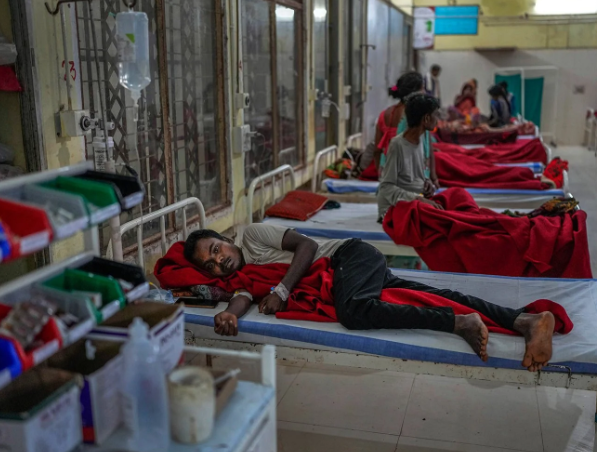
BENGALURU, Nov. 3: More than 1,100 doctors from across India have joined a nationwide initiative aimed at improving treatment pathways and expanding access to advanced medical care for people living with sickle cell disease (SCD).
Terumo Blood and Cell Technologies (Terumo BCT), a medical technology company specialising in blood management solutions, announced that 1,133 doctors had pledged their commitment to strengthening the management of the inherited blood disorder.
The initiative, recognised by the Asia Book of Records, was organised as part of the company’s ongoing ‘Breaking the Sickle Cycle’ campaign.
The programme brought together medical professionals from different specialities involved in the diagnosis and treatment of sickle cell disease, including haematologists, transfusion medicine specialists, internal medicine physicians, haemato-oncologists, paediatricians and obstetricians and gynaecologists.
Through the campaign, participating doctors committed to supporting appropriate, evidence-based treatment approaches, including red blood cell exchange (RBCX) for patients who meet the clinical requirements.
The initiative comes as India continues to expand its screening efforts under the National Sickle Cell Anaemia Elimination Mission, while access to specialised treatment remains uneven across different parts of the country.
According to figures shared during the initiative, more than 7.27 crore individuals have been screened for sickle cell disease under the national mission.
However, translating screening results into timely diagnosis, regular medical monitoring and appropriate treatment continues to be a major challenge.
The company highlighted that only around 10 per cent of blood centres in India offer therapeutic apheresis services, including red blood cell exchange, restricting access to certain advanced treatment options.
The campaign aims to encourage greater awareness among healthcare professionals and improve coordination between medical specialists involved in the long-term management of the condition.
Understanding Sickle Cell Disease
Sickle cell disease is an inherited genetic blood disorder that affects haemoglobin, the protein in red blood cells responsible for carrying oxygen throughout the body.
In healthy individuals, red blood cells are generally flexible and disc-shaped, allowing them to move easily through blood vessels and deliver oxygen to different organs.
In people with sickle cell disease, an abnormal form of haemoglobin known as haemoglobin S can cause red blood cells to become rigid and assume a crescent or sickle-like shape under certain conditions.
These abnormal cells can break down more rapidly than normal red blood cells, leading to chronic anaemia.
They may also block small blood vessels, restricting the flow of oxygen-rich blood to different parts of the body.
Such blockages can trigger painful episodes known as vaso-occlusive crises, which are among the most common complications experienced by people living with the condition.
The disease can affect several organs, including the lungs, kidneys, brain, bones and spleen.
Some patients may experience severe complications such as acute chest syndrome, stroke, infections and damage to vital organs.
The severity of symptoms varies considerably from one individual to another, depending on the type of sickle cell disease and other medical factors.
Sickle cell disease is inherited when a child receives an affected haemoglobin gene from both parents. Individuals who inherit only one affected gene generally have sickle cell trait rather than the full disease, although genetic counselling may be important when planning a family.
Early identification is essential because appropriate monitoring and preventive care can help reduce complications and improve quality of life.
India’s Screening Efforts Gain Momentum
India has been implementing the National Sickle Cell Anaemia Elimination Mission to improve the identification, prevention and management of the disease.
The programme places particular emphasis on tribal and other high-prevalence communities, where the condition has historically created a significant public health burden.
Screening is an important first step because individuals may carry the genetic condition without displaying obvious symptoms.
Early identification enables healthcare professionals to provide counselling, confirm diagnoses through appropriate testing and establish treatment and follow-up plans.
The screening initiative also helps identify individuals who require further medical assessment and those who may benefit from specialised care.
However, screening alone cannot address the full burden of the disease.
Patients diagnosed with sickle cell disease require continued medical supervision, access to appropriate medicines, regular assessment of complications and timely intervention during emergencies.
For children, early diagnosis is especially important because preventive treatment and vaccination can reduce the risk of serious infections.
Families also need information about recognising warning signs and seeking medical attention when symptoms become severe.
The growing number of people screened under the national programme has increased the importance of strengthening healthcare facilities capable of providing long-term treatment.
Red Blood Cell Exchange: An Important Treatment Option
One of the major treatment approaches highlighted by the campaign is red blood cell exchange, a specialised procedure used in selected patients with sickle cell disease.
The procedure involves removing a portion of the patient’s circulating red blood cells and replacing them with compatible donor red blood cells.
The objective is to reduce the proportion of sickle haemoglobin-containing cells in circulation and improve the availability of normally functioning red blood cells.
Unlike a conventional blood transfusion, which adds donor blood to the patient’s existing circulation, an exchange procedure removes some of the patient’s red blood cells while introducing replacement cells.
The treatment may be considered in specific clinical situations, including selected cases involving stroke prevention, acute chest syndrome and other serious complications.
However, red blood cell exchange is not necessary for every patient diagnosed with sickle cell disease.
Doctors must evaluate the patient’s condition, medical history, laboratory results and potential risks before recommending the procedure.
The treatment also requires trained healthcare professionals, compatible blood supplies, specialised equipment and appropriate monitoring.
Therapeutic apheresis is the broader medical process through which particular components of blood are separated and removed or collected.
Red blood cell exchange is one of the procedures performed using this technology.
The availability of such services can therefore make a difference in the treatment options accessible to eligible patients.
According to the figures highlighted by Terumo BCT, approximately 10 per cent of blood centres in India currently provide therapeutic apheresis services, indicating the need for wider access and greater awareness of the procedure.
Doctors Emphasise Timely Intervention
Rahul Bhargava, Managing Director, Principal Director and Chief of Haematology, Haemato-oncology and Bone Marrow Transplant at Fortis Memorial Research Institute, Gurugram, said sickle cell disease continues to impose a considerable health burden in India.
He emphasised that early diagnosis, timely intervention and access to appropriate treatment pathways are essential for improving outcomes.
According to him, collective efforts and sustained awareness are necessary to ensure that patients receive the medical attention they require.
The involvement of specialists from different disciplines is particularly important because sickle cell disease can affect multiple organs and may require coordinated treatment.
Haematologists play a central role in managing the blood-related complications, while paediatricians are important in identifying and treating the condition in children.
Transfusion medicine specialists help manage blood-related procedures, while other medical professionals may be involved when complications affect specific organs.
The participation of obstetricians and gynaecologists is also relevant because women living with sickle cell disease may require specialised medical supervision during pregnancy.
A coordinated approach can help improve continuity of care and ensure that patients receive appropriate treatment at different stages of life.
Odisha Among High-Burden States
The campaign also highlighted the situation in Odisha, which remains one of the states carrying a substantial burden of sickle cell disease.
Prof. Dr. Smita Mahapatra, Professor and Head of the Department of Transfusion Medicine and Nodal Officer at the Regional Centre, Medical Education Unit, SCB Medical College and Hospital, said 1,06,355 individuals had been identified with the disease in Odisha as of July 2026.
She stressed that the scale of the problem makes it essential to strengthen the entire healthcare process, from diagnosis and treatment to long-term follow-up.
Odisha has several communities where sickle cell disease remains a significant public health concern.
The availability of screening facilities has improved identification, but patients also need reliable access to specialist consultations, medicines, transfusion services and emergency care.
Medical professionals believe that treatment strategies must be adapted to local healthcare requirements, particularly in areas where patients face difficulties travelling to specialised hospitals.
The involvement of regional medical colleges and district healthcare facilities could help improve access to services.
Doctors and healthcare organisations also need to work with community health workers to increase awareness about symptoms, testing and available treatment options.
Need to Strengthen Treatment Infrastructure
Lawrence Joy, General Manager for India and South Asia at Terumo Blood and Cell Technologies, said the focus of the country’s sickle cell programme should increasingly move towards ensuring that people diagnosed with the condition receive appropriate treatment.
He noted that red blood cell exchange is an established option for selected patients, while a lack of awareness may prevent some individuals from accessing procedures that could be relevant to their medical needs.
The company’s initiative seeks to encourage medical professionals to become more familiar with evidence-based treatment approaches and strengthen the network of clinicians involved in sickle cell care.
Healthcare experts also point out that improving access requires investment in trained personnel, equipment, blood banking infrastructure and patient education.
Hospitals providing therapeutic apheresis services need appropriate facilities to conduct procedures safely and monitor patients during and after treatment.
Blood availability is another important consideration because exchange procedures require compatible donor red blood cells.
The process also involves coordination between treating doctors, transfusion medicine specialists and blood banks.
Expanding access to these services, particularly in high-prevalence regions, could help reduce geographical inequalities in specialised treatment.
Long-Term Management Remains Essential
Although advanced procedures are important for selected patients, the management of sickle cell disease involves several other aspects of healthcare.
Regular medical consultations, preventive medicines, vaccination, adequate hydration and monitoring for complications form important parts of long-term care.
Hydroxyurea is among the medicines commonly used to reduce the frequency of painful crises and certain complications in eligible patients.
Blood transfusions may also be recommended in specific circumstances, depending on the patient’s medical condition.
Some patients with severe disease may be evaluated for curative treatment options, including haematopoietic stem cell transplantation, although suitability depends on individual clinical factors and access to specialised facilities.
Families must also receive counselling about the inherited nature of the disorder and the importance of testing where appropriate.
Healthcare professionals say that patients should not independently change or discontinue prescribed treatment because disease management requires regular medical supervision.
Early recognition of symptoms such as severe pain, fever, breathing difficulties, chest discomfort or neurological changes is important, as these may indicate complications requiring urgent medical attention.
A Shift from Screening to Comprehensive Care
India’s efforts to address sickle cell disease are increasingly highlighting the need to move beyond identifying affected individuals towards ensuring that they receive sustained medical support.
The participation of 1,133 doctors in the nationwide pledge represents an effort to bring different medical specialities together around this objective.
The initiative also draws attention to gaps in access to advanced treatment, particularly therapeutic apheresis and red blood cell exchange.
As screening coverage expands, the healthcare system will need to ensure that diagnostic facilities are supported by trained specialists, treatment centres and reliable follow-up arrangements.
The challenge is particularly important for rural and tribal communities, where long distances and limited access to specialised hospitals can delay medical intervention.
Strengthening regional healthcare infrastructure, improving awareness and promoting coordination among doctors could help address these difficulties.
The campaign’s broader message is that people living with sickle cell disease require continuous care rather than occasional medical attention.
With millions of individuals already screened under the national programme, improving the transition from diagnosis to treatment will remain an important priority in India’s efforts to reduce the burden of the inherited blood disorder.

