


Diljit Dosanjh faces restrictions on four songs ahead of Indore concert
Child protection authorities ask organisers to exclude four popular Punjabi tracks from the November 15 performance, citing concerns over lyrics related to alcohol, drugs and violence.
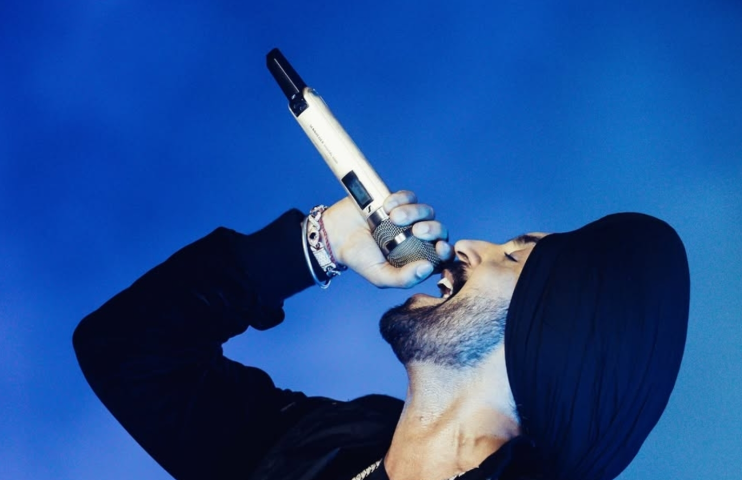
INDORE, Nov 9: Punjabi singer and actor Diljit Dosanjh’s upcoming concert in Indore has become the centre of a controversy after district child protection authorities directed organisers to exclude four of his popular songs from the scheduled performance.
The singer is set to perform in the Madhya Pradesh city on November 15 as part of his ongoing Aura India Tour. The instructions issued by the District Child Protection Officer have placed restrictions on specific tracks over concerns that their lyrics could negatively influence young audiences.
The four songs identified in the notice are ‘Patiala Peg’, ‘5 Taara’, ‘Jeeb Vicho Afeem’, also known as ‘Case’, and ‘Jatt Uthe Fire Karda’.
The directive was issued on November 6 under the Women and Child Development Department and addressed to the management of the venue where the concert is scheduled to take place.
The authorities have asked organisers to ensure that the identified songs are not performed during the event. The concert is open to children above the age of five, making the suitability of the programme for younger audiences an important consideration.
The notice referred to concerns about lyrics associated with alcohol, intoxicants and weapons, stating that such content could have an adverse influence on children.
The action followed a complaint submitted by Chandigarh-based professor Panditrao Dharenavar on November 1. Dharenavar approached the authorities seeking restrictions on the performance of the four tracks, referring to an earlier judicial order concerning songs that allegedly glorify alcohol, drugs and violence.
The complaint also requested that the singer should not perform the tracks even if their lyrics were modified.
The authorities referred to a July 2019 order of the Punjab and Haryana High Court while issuing their instructions. The earlier proceedings had raised concerns about the portrayal of alcohol consumption, drug use and violence in popular songs and their possible influence on young listeners.
The court had directed authorities to take steps against the public performance of songs glorifying such activities, including during live programmes.
The Indore administration has relied on these directions while asking the concert organisers to keep the four identified songs out of the programme.
The restrictions have attracted attention because Dosanjh is known for performing several of his popular Punjabi tracks during large-scale live shows. His concerts generally feature a combination of energetic performances, audience interaction and songs that have achieved considerable popularity across music streaming platforms.
‘Patiala Peg’ and ‘5 Taara’ are among the well-known tracks associated with his musical career, while the other two songs have also remained part of discussions surrounding the lyrical content of Punjabi popular music.
The controversy has once again brought attention to the debate over artistic freedom, the responsibility of performers and the suitability of entertainment programmes attended by children.
Dosanjh’s Aura India Tour has attracted considerable interest, with fans in several cities looking forward to his performances. The Indore concert is expected to draw a large audience, including families and younger music enthusiasts.
The singer has also indicated that he intends to proceed with the scheduled appearance despite the developments.
Reacting to reports surrounding the event, Dosanjh said he would visit Indore on November 15 and expressed enthusiasm about meeting his fans.
In a light-hearted message, he referred to the city’s famous poha, saying that he planned to enjoy the local delicacy after arriving there.
His remarks were widely discussed on social media, particularly as the concert continued to attract attention because of the restrictions and reported security concerns.
The song-related directive is not the only issue surrounding the upcoming performance. Reports of threatening emails sent to schools in Indore have also raised concerns about security arrangements ahead of the event.
According to reports, three private schools received messages warning of possible bomb incidents linked to the concert. The office of the city’s mayor was also reportedly among the locations mentioned in the threatening communications.
Police teams conducted searches at the affected premises, but no explosives were found.
Officials indicated that the messages could have been intended to create panic, while efforts to identify those responsible were continuing.
The threats have added another layer of concern for organisers and local authorities, who are expected to coordinate security arrangements for the November 15 gathering.
The singer’s team has continued to indicate that the performance is scheduled to take place, although the final arrangements will depend on the necessary permissions and security measures.
The Indore controversy follows earlier challenges faced by the singer during the opening phase of his Aura Tour in Delhi.
His Delhi concert, scheduled at Jawaharlal Nehru Stadium, had initially faced difficulties after police declined permission, citing security concerns, threat-related inputs and existing law-and-order responsibilities during the festive period.
The show eventually took place on October 30 after arrangements were worked out.
The latest developments in Indore have once again highlighted the difficulties involved in organising large public performances featuring popular international and national music personalities.
Such events require coordination between organisers, venue management, local administration, police and other departments, particularly when children are permitted to attend.
The issue of lyrics and their influence on young audiences has also remained a subject of discussion in Punjab and other parts of northern India.
Punjabi music enjoys a substantial following among younger listeners, with many songs becoming popular through social media, music streaming services and short-video platforms.
While the industry has produced numerous successful artists and internationally recognised performers, concerns have periodically been raised over lyrics that refer to substance consumption, weapons and aggressive behaviour.
Authorities have argued that public performances should take into account the age profile of audiences, especially when family participation is encouraged.
At the same time, debates over restrictions on artistic expression have continued, with questions being raised about how such directions should be implemented and whether they should apply to particular songs or wider categories of music.
In the present case, the Indore authorities have specifically identified four tracks rather than cancelling the entire concert.
The distinction is important because the November 15 event remains scheduled, while the instructions concern the content of the performance.
The controversy has also drawn attention to the responsibilities of event organisers, who must ensure that the programme complies with official directions and applicable legal requirements.
For Dosanjh, the Indore performance remains an important stop on his ongoing tour, which has brought his music to audiences across several Indian cities.
The singer has built a strong following through his Punjabi albums, live performances and acting projects. His popularity has expanded beyond regional music audiences, with collaborations and international appearances contributing to his wider recognition.
He has also established himself in the film industry through Punjabi and Hindi-language productions.
The current dispute is therefore being closely followed by fans who are waiting to see how the organisers finalise the concert’s programme.
The November 15 performance is expected to remain under public scrutiny as preparations continue, with particular attention on compliance with the instructions issued by the child protection authorities.
The episode has once again raised a broader question for the entertainment industry: how live music events can balance creative expression with concerns about the content presented to audiences that include children.

