


NTA Invites Schools and Colleges to Become Examination Centres, Sets December 6 Deadline
Educational institutions must meet prescribed infrastructure standards, including 285 computer workstations for standard computer based testing facilities
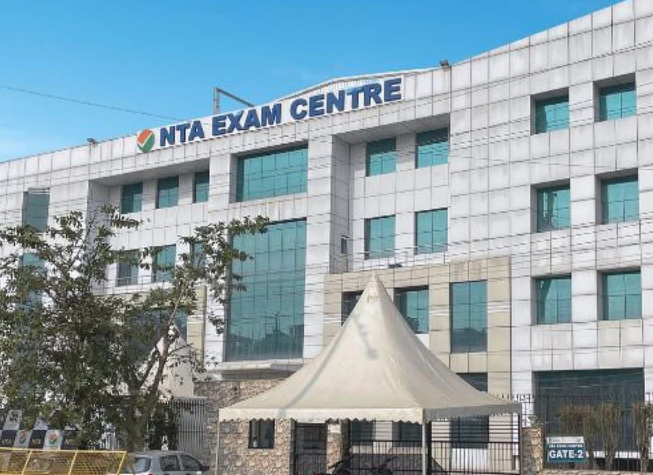
NEW DELHI, Nov 9: The National Testing Agency (NTA) has invited schools, colleges, universities and private examination service providers across the country to apply for empanelment as examination centres for upcoming national-level tests.
The initiative aims to expand the agency’s examination infrastructure and increase the availability of facilities for conducting computer based tests (CBT) and pen-and-paper tests (PPT). Interested institutions can submit their applications online, with December 6, 2026, fixed as the last date for submitting expressions of interest.
The move comes amid renewed scrutiny of the country’s examination system following the NEET paper leak controversy earlier this year. Strengthening examination arrangements and ensuring adequate infrastructure have become important priorities for authorities responsible for conducting competitive and entrance examinations.
Under the proposed arrangement, institutions meeting the prescribed eligibility and infrastructure requirements will be considered for inclusion in the NTA’s nationwide examination network.
Education News – The Indian Express+1
The agency has opened the application process to a broad range of educational establishments, including government, government-aided and privately managed schools and colleges. Universities, institutions of national importance, polytechnics, Industrial Training Institutes and government skill development centres are also eligible to participate.
The list of institutions covered under the initiative includes Indian Institutes of Technology (IITs), National Institutes of Technology (NITs), Indian Institutes of Information Technology (IIITs), Indian Institutes of Management (IIMs), Indian Institutes of Science Education and Research (IISERs) and All India Institutes of Medical Sciences (AIIMS).
Dedicated computer-based testing service providers and other organisations possessing the required facilities can also submit applications for consideration.
The NTA has specified separate infrastructure requirements depending on the examination format that institutions intend to accommodate. For standard computer-based testing facilities, applicants must have a minimum of 285 computer workstations available per shift.
In addition to the workstation requirement, institutions seeking approval for CBT examinations must provide at least four separate computer laboratories or examination halls. Each facility should have a minimum of 30 workstations or an equivalent arrangement that meets the prescribed infrastructure standards.
However, the agency has provided some flexibility for institutions located in areas where examination facilities are limited. Centres having fewer than 285 workstations may also apply, although their applications will be considered in locations where the availability of suitable testing infrastructure is insufficient.
For pen-and-paper examinations, institutions must have a minimum seating capacity of 250 candidates per shift. They should also possess at least six separate examination halls, each capable of accommodating 40 candidates, or an equivalent arrangement.
These requirements are intended to ensure that examination venues have sufficient space and facilities to accommodate candidates without creating unnecessary difficulties during the conduct of tests.
The expansion of the examination network is expected to provide the NTA with additional options for allocating candidates to test centres across different regions. A wider network could also help improve geographical accessibility, particularly for students living in areas where suitable examination facilities are limited.
Competitive examinations conducted by the agency attract participation from candidates belonging to different educational, economic and geographical backgrounds. Ensuring that examination centres are available across the country is therefore an important part of making the assessment process accessible.
Candidates appearing for national-level examinations often travel considerable distances to reach their allotted centres. The availability of additional testing facilities could help authorities distribute examination venues more efficiently, depending on the location and number of applicants.
Apart from infrastructure expansion, the NTA has also invited applications from eligible serving and retired government personnel for appointment as examination observers.
The observer panel will include individuals who can assist in monitoring examination-related activities and ensuring that established procedures are followed at testing venues.
According to the information released by the agency, personnel currently working in government institutions and retired government employees can apply, subject to the prescribed eligibility conditions.
The observer-related initiative is another component of the agency’s efforts to strengthen examination supervision. Observers play an important role in monitoring activities at examination centres and ensuring that the prescribed arrangements are maintained.
The agency has also opened opportunities for eligible academic and administrative personnel from government institutions. Further details regarding categories, eligibility requirements, documentation and responsibilities have been included in the relevant notification.
Interested institutions and individuals are required to carefully examine the official instructions before submitting their applications. Meeting the basic eligibility conditions does not automatically guarantee empanelment, as applications will be assessed against the agency’s prescribed standards.
The application process for examination-centre empanelment is being conducted online through the NTA’s designated expression-of-interest portal. Applicants must provide the necessary institutional information and details of the facilities available at their proposed examination venues.
Educational institutions planning to participate should examine their computer laboratories, seating capacity, examination halls and other essential arrangements before submitting their applications.
For computer-based examinations, the availability of functional workstations is particularly important. Centres must be capable of accommodating candidates during scheduled examination shifts while maintaining the required operational arrangements.
Similarly, institutions interested in hosting pen-and-paper examinations must ensure that their examination halls can accommodate the prescribed number of candidates.
The NTA’s requirements also underline the importance of maintaining organised examination facilities, as large-scale competitive tests require careful coordination between the examination authority and participating institutions.
The agency conducts several important examinations used for admission to higher education institutions and recruitment-related assessments. Its examination network therefore plays a significant role in the country’s academic and professional selection processes.
A wider network of empanelled institutions could help the agency manage examination requirements more effectively as participation in competitive assessments continues to remain substantial.
The latest initiative also comes at a time when examination authorities are facing increasing expectations regarding transparency, accountability and the security of testing arrangements.
The NEET paper leak controversy earlier this year brought national attention to weaknesses in examination administration and raised questions about the mechanisms used to protect confidential examination material and ensure fairness.
Following such controversies, strengthening institutional procedures and improving monitoring arrangements have become essential considerations for agencies responsible for conducting examinations.
While expanding the number of examination centres alone cannot address every challenge associated with examination security, the availability of properly equipped and supervised facilities remains an important requirement.
The NTA will have to assess the suitability of applicants before including them in its examination network. Institutions will need to demonstrate that their facilities meet the required standards and can support the smooth conduct of examinations.
For educational establishments, empanelment could also provide an opportunity to utilise existing infrastructure for national-level examinations. Schools and colleges with adequate computer laboratories and examination halls may be able to contribute to the country’s testing arrangements.
The participation of universities and technical institutions could further strengthen the network by bringing additional facilities into the examination system.
However, institutions should not assume that the submission of an expression of interest amounts to automatic approval. Final consideration will depend on the agency’s assessment and compliance with the applicable conditions.
Prospective applicants have been advised to consult the detailed notification available through the NTA’s official platforms for complete information regarding eligibility, infrastructure requirements and the submission process.
The December 6 deadline provides institutions with a limited period to review their facilities, prepare the required information and complete the online application process.
The initiative represents another step towards strengthening the country’s examination infrastructure at a time when national-level assessments require greater administrative preparedness and effective coordination.
As the application process progresses, the availability of additional examination venues and eligible observers is expected to support the NTA’s efforts to improve the organisation and supervision of its testing activities.

