


J&K Government Schools to Provide Free Books and Uniforms to Students
The Jammu and Kashmir Government plans to strengthen public education by providing essential learning materials and uniforms free of cost, aiming to improve enrolment, reduce the financial burden on families and attract more students to government run schools.
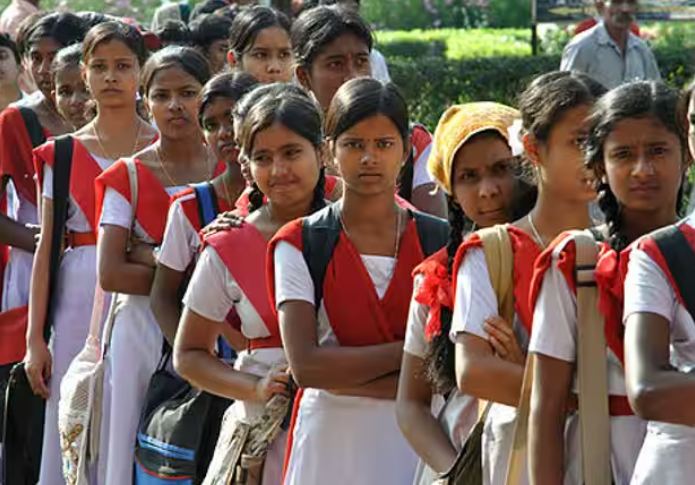
JAMMU, Nov 9: In a significant initiative aimed at strengthening government schools and improving access to education, the Jammu and Kashmir Government has announced that students enrolled in government educational institutions will receive free textbooks and school uniforms.
The initiative is intended to encourage more parents to enrol their children in government schools while ensuring that financial difficulties do not become an obstacle to their education.
The announcement highlights the administration’s renewed focus on improving public education, particularly for children belonging to economically weaker sections and families living in rural and remote areas of the Union Territory.
According to the announcement, the provision of free educational materials is expected to make government schools more attractive to parents and help reduce the additional expenditure associated with sending children to school.
The initiative is also expected to support the government’s broader efforts to improve enrolment, strengthen school infrastructure and enhance the overall learning environment.
Education remains one of the most important areas of public investment, particularly in regions where families face financial challenges in meeting the educational needs of their children. Expenses related to textbooks, uniforms, stationery, transportation and other school requirements can become a considerable burden for low-income households.
By providing books and uniforms without charging students, the government intends to address some of these challenges and ensure that children have access to essential educational resources.
Reducing the financial burden on parents
For many families, the beginning of a new academic session involves several expenses, including purchasing textbooks, uniforms, notebooks and other study materials.
These costs can become particularly difficult for households with multiple school-going children. In rural and economically disadvantaged communities, such expenses sometimes influence parents’ decisions regarding school enrolment and attendance.
The free distribution of textbooks and uniforms is expected to provide direct financial relief to these families.
It will also help ensure that students from different economic backgrounds have access to the basic materials required for classroom learning.
Textbooks play an essential role in helping students understand lessons, complete assignments and prepare for examinations. When children have access to their prescribed books from the beginning of the academic session, teachers can follow the curriculum more effectively and students can participate more actively in classroom activities.
Similarly, school uniforms contribute to a sense of belonging and equality among students. Providing uniforms free of cost can help reduce visible economic differences within classrooms and encourage children to attend school with confidence.
The government hopes that these measures will strengthen the appeal of public educational institutions and encourage families to consider them as a preferred option.
Strengthening enrolment in government institutions
One of the major objectives of the initiative is to increase student enrolment in government schools.
Over the years, several government education systems have faced challenges in retaining students and attracting new admissions, particularly in areas where private schools have expanded their presence.
Parents often consider factors such as academic performance, infrastructure, teacher availability, extracurricular opportunities and access to learning materials while selecting schools for their children.
The provision of free textbooks and uniforms is expected to address one important aspect of this decision-making process by reducing the cost of education.
The initiative may also prove beneficial in remote areas where families have limited access to bookshops and other educational facilities.
Ensuring that learning materials are distributed through schools can make the process easier for parents who otherwise have to travel considerable distances to purchase the required items.
The government believes that improving basic facilities and providing essential resources can help rebuild confidence in public educational institutions.
However, increasing enrolment will also require continuous improvements in teaching quality, classroom facilities, sanitation, digital infrastructure and student support services.
Importance of equal educational opportunities
Access to quality education is a fundamental requirement for social and economic development. Children should be able to pursue their studies irrespective of their family’s financial circumstances.
In Jammu and Kashmir, where geographical conditions and economic differences influence access to educational facilities, targeted support for students can play an important role in improving educational participation.
The provision of free books and uniforms is particularly relevant for children from remote villages, disadvantaged communities and households with limited financial resources.
Such assistance can help reduce the possibility of students falling behind because they do not have the materials required for classroom participation.
It can also support parents who want their children to continue studying but face difficulties managing recurring educational expenses.
The initiative is expected to contribute towards creating a more inclusive school environment in which children receive essential support from the education system.
The availability of textbooks is also important for students preparing for annual examinations. Having individual copies allows them to revise lessons at home, complete homework and prepare for classroom assessments without depending entirely on shared resources.
Government schools and educational reforms
The announcement comes amid broader efforts to improve the standard of government education in Jammu and Kashmir.
The administration has been focusing on improving school infrastructure, strengthening academic activities and increasing the participation of students in government institutions.
The quality of education depends on several interconnected factors, including trained teachers, proper classrooms, laboratories, libraries, digital learning facilities and regular academic monitoring.
Financial support for students can complement these efforts by ensuring that basic educational requirements are available to children.
Government schools also play an important role in providing education to communities where private institutions may not be easily accessible or affordable.
In many rural and remote areas, public schools remain the primary source of formal education. Strengthening these institutions is therefore essential for ensuring that children receive equal opportunities.
The distribution of free books and uniforms could help improve the overall school experience, particularly for younger students entering formal education.
It may also encourage parents to maintain regular contact with schools and participate more actively in their children’s academic progress.
Implementation will determine the impact
While the announcement has the potential to benefit a large number of students, effective implementation will remain crucial.
The education department will need to ensure that textbooks and uniforms reach schools before or at the beginning of the academic session.
Delays in distribution could reduce the effectiveness of the initiative, particularly for students who depend entirely on government assistance.
Authorities will also need to maintain proper records of beneficiaries and ensure that the materials are distributed transparently.
The quality of uniforms and textbooks will be another important consideration. Educational materials should meet prescribed academic requirements, while uniforms should be suitable for the climatic conditions of different parts of Jammu and Kashmir.
Coordination among school administrations, district education authorities and suppliers will be necessary to ensure that the programme operates smoothly.
Regular monitoring could help identify schools where students have not received the promised assistance and allow authorities to address distribution-related difficulties.
The government will also need to assess whether the initiative is contributing to improved attendance, enrolment and student retention.
A step towards strengthening public education
The announcement is expected to provide relief to families while supporting the government’s efforts to improve the public education system.
Free textbooks and uniforms may appear to be basic provisions, but they can make a meaningful difference for students who face financial barriers to education.
The initiative could also help create a more supportive environment for children entering government schools and encourage parents to continue their education.
Nevertheless, the long-term success of the programme will depend on whether these benefits are accompanied by improvements in teaching standards, infrastructure and academic performance.
For Jammu and Kashmir, strengthening government schools is not only an educational priority but also an important investment in the future workforce and social development of the region.
By reducing the cost of essential school requirements, the administration has sought to make public education more accessible and attractive to families.
The initiative is expected to support efforts to improve enrolment and ensure that students receive the basic resources necessary to pursue their studies.

