


Kashmir’s traditional Wazas announce 10 pm deadline for wedding feasts, seek dignified working conditions
Traditional chefs express concern over exhausting schedules, delayed wedding ceremonies and inadequate resting facilities, urge families to respect workers’ welfare
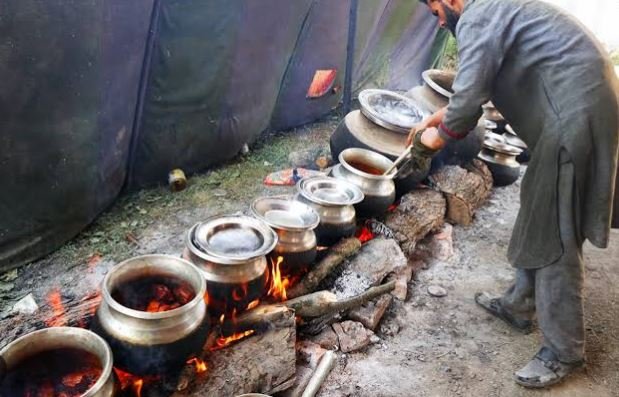
Srinagar, November 11: Kashmir’s traditional chefs, popularly known as Wazas, have unanimously decided to stop serving Wazwan at wedding functions after 10 pm, expressing serious concern over prolonged working hours, late-night wedding celebrations and inadequate facilities for rest and recovery.
The decision was taken during a conference held at a marriage hall in Srinagar’s Rajouri Kadal area, where members of the traditional culinary community discussed the difficulties they face while preparing and serving Kashmir’s celebrated multi-course wedding feast.
The gathering highlighted the physically demanding nature of Wazwan preparation and the growing inconvenience caused by delayed wedding ceremonies, particularly when the arrival of the groom and accompanying guests extends well beyond the scheduled time.
Representatives of the culinary community observed that preparing traditional Wazwan requires several hours of continuous work, often beginning early in the day and continuing late into the night. The elaborate cooking process involves meticulous preparation, specialised skills and coordinated efforts by teams of chefs and supporting workers.
According to participants, lunch service at wedding functions commonly begins around 1 pm and continues until approximately 6 pm, after which preparations and arrangements for dinner create further demands on already exhausted workers.
The situation becomes particularly difficult when chefs are engaged at the bride’s residence, where dinner arrangements are frequently delayed because of the late arrival of the groom and the wedding procession. Such delays sometimes require culinary teams to remain available until midnight or even later, considerably extending their working hours.
Participants expressed concern that the practice of arriving late at wedding functions has increasingly become a social trend, creating unnecessary inconvenience for chefs, service workers, religious functionaries and families involved in the ceremonies.
They recalled instances in which religious functionaries reportedly left wedding venues without solemnising the Nikah because the groom had not arrived even by 1 am.
The chefs maintained that such delays place an unreasonable burden on workers who have already spent long hours preparing elaborate meals and managing the demanding responsibilities associated with traditional wedding hospitality.
Emphasising the need for humane working conditions, representatives of the Waza community said their profession deserves the same consideration, dignity and respect afforded to workers in other sectors.
They stressed that the newly announced deadline was intended to encourage punctuality, improve working conditions and ensure that traditional chefs and their assistants receive adequate time for rest.
The conference also brought attention to the difficulties faced by workers associated with Wazwan preparation and service. Participants observed that a traditional wedding feast involves numerous individuals performing different responsibilities, including cooking, preparation, handling and serving food to large gatherings.
These workers, they maintained, should not be expected to remain engaged indefinitely because of delays in ceremonial arrangements.
Several participants also raised concerns about inadequate accommodation and resting facilities provided by some wedding hosts. They complained that despite working for extended periods, chefs are sometimes not provided with suitable places to sleep or recover before beginning another demanding schedule.
They emphasised that adequate rest is essential not only for personal well-being but also for maintaining the quality, efficiency and professionalism associated with traditional Wazwan preparation.
The culinary community appealed to families organising weddings to make appropriate arrangements for visiting chefs and supporting staff, particularly when their services are required over consecutive days.
The decision has also drawn attention to the broader relationship between Kashmir’s cherished wedding traditions and the welfare of the artisans who preserve them.
Wazwan occupies a distinctive position in Kashmir’s cultural heritage, symbolising hospitality, community relationships and generations of culinary expertise. The traditional chefs responsible for preparing these elaborate feasts play an important role in sustaining the region’s cultural identity.
However, the community believes that preserving this heritage should not come at the cost of the physical well-being and dignity of those who dedicate their professional lives to maintaining it.
The announcement of the 10 pm deadline therefore represents an appeal for greater discipline and cooperation in organising wedding celebrations rather than any departure from established cultural traditions.
Timely arrival of wedding parties, proper coordination between families and service providers, and suitable arrangements for workers could help ensure that traditional ceremonies are conducted smoothly without imposing unnecessary hardships.

