


Telangana Announces Major School Education Reform, Plans to Bring Classes 11 and 12 Under School System
Chief Minister A Revanth Reddy announces plans to discontinue separate intermediate colleges from the 2027–28 academic year, aiming to establish a unified 10+2 education structure and streamline administration.
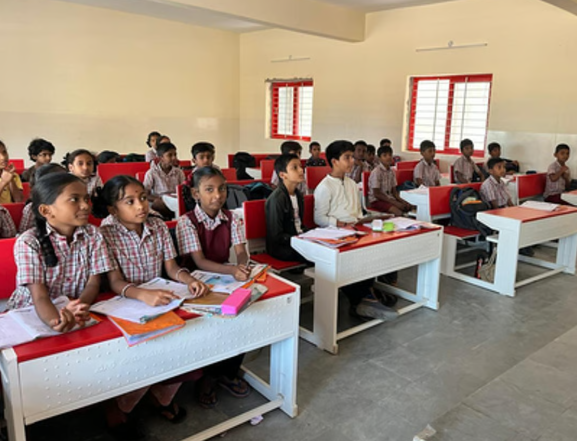
HYDERABAD: The Telangana government has announced a significant restructuring of its school education system, planning to bring Classes 11 and 12 under the regular school framework and discontinue the separate Intermediate education structure from the 2027–28 academic session.
Chief Minister A Revanth Reddy announced the proposed reform following a review meeting with senior officials of the Education Department in Hyderabad on November 11. The initiative is aimed at improving educational continuity, reducing student dropouts after Class 10 and strengthening the overall quality of school education across the state.
Under the proposed arrangement, students will be able to continue their education up to Class 12 within an integrated school system rather than moving to separate junior colleges after completing their secondary examinations.
The proposed structure will divide school education into three broad stages. Primary education will cover nursery to Class 4, secondary education will include Classes 5 to 8, while senior secondary education will extend from Classes 9 to 12.
The decision represents a major departure from Telangana’s existing educational arrangement, under which students generally move from schools to Intermediate colleges after passing Class 10. These institutions operate under the supervision of the Board of Intermediate Education and have traditionally provided two years of specialised academic preparation before students enter universities or professional courses.
One of the primary reasons behind the proposed transformation is the concern over students discontinuing their studies after completing secondary education. According to reports, around 40 per cent of students, particularly girls and those belonging to Dalit, tribal and minority communities, leave the education system rather than enrolling in Intermediate colleges.
The government believes that extending the school structure through Class 12 could help address this problem by providing students with a more continuous educational environment. Officials have also been asked to examine ways to strengthen government institutions and improve access to senior secondary education.
During the review, Reddy highlighted the importance of developing strong language and communication abilities among students before they complete their schooling. He stressed that education should prepare young people not only for examinations but also for higher studies, employment and the challenges of a changing professional environment.
The Chief Minister also referred to the performance of institutions such as Kendriya Vidyalayas, Jawahar Navodaya Vidyalayas and Kasturba Gandhi Balika Vidyalayas, where students have access to education up to Class 12. The comparatively lower dropout levels in these institutions were cited as an example of the advantages of maintaining educational continuity.
The proposed reform is expected to bring administrative changes within the state’s education system. Intermediate education, which currently functions under a separate administrative arrangement, is planned to be brought within the broader school education framework.
However, the transition will require careful planning because the existing Intermediate system includes government and private junior colleges, teaching staff, examination arrangements and established academic procedures.
The government will have to determine how these institutions will operate under the revised structure and how students currently enrolled in the existing system will be accommodated during the transition.
The future of junior colleges is also an important consideration. The announcement indicates a move towards integrating Classes 11 and 12 into school education, but detailed implementation guidelines will be necessary to clarify the status of existing institutions and the administrative arrangements governing them.
The proposed changes are also significant for teachers and other employees working in junior colleges. Reddy has assured that the employment-related and retirement benefits of lecturers and non-teaching employees will remain protected. This assurance is intended to address concerns among staff members who may be affected by the restructuring.
Apart from the proposed academic changes, the Chief Minister reviewed infrastructure requirements in government residential schools and welfare hostels. He directed officials to move government-run residential educational facilities out of rented buildings and develop permanent campuses with adequate facilities.
The proposed infrastructure improvements are expected to include proper accommodation, sufficient drinking water facilities and adequate toilet arrangements. The government has also stressed the importance of providing students with a suitable residential environment that supports learning and personal development.
The condition of residential schools is particularly important for students from economically disadvantaged families and remote areas, where access to quality educational institutions may be limited.
Reddy also instructed officials to accelerate recruitment for vacant academic positions in state universities, including Assistant Professors and Associate Professors. Filling these positions is considered important for strengthening higher education and improving teaching and research activities.
The government’s broader objective is to improve educational standards across different stages, beginning with early schooling and continuing through university education. The proposed integration of Intermediate education is being presented as part of this larger effort.
For students and parents, the most immediate change will concern the transition after Class 10. Under the existing arrangement, students must select a junior college and adjust to a different academic environment after completing their secondary examinations. The proposed model seeks to make this transition part of a continuous schooling process.
The success of the initiative will depend on the availability of qualified teachers, suitable classrooms, laboratories, libraries and other essential facilities, particularly in government schools. Institutions will also need to provide appropriate academic streams and subject choices to meet students’ different interests and career aspirations.
Another important challenge will be ensuring that students receive adequate preparation for competitive examinations such as engineering and medical entrance tests without allowing examination pressure to dominate the overall learning experience.
The government will need to establish clear guidelines covering curriculum delivery, assessments, teacher appointments, institutional recognition and the responsibilities of existing education authorities.
The proposed 2027–28 implementation timeline gives the state an opportunity to prepare institutions and administrative departments before the new structure becomes operational.
While the announcement marks an important policy direction, students, parents and teachers will be looking for further clarification on the detailed framework, particularly regarding the functioning of junior colleges and the transition arrangements.
If implemented effectively, the proposed 10+2 structure could reshape the way secondary and higher-secondary education is delivered in Telangana, with greater emphasis on continuity, accessibility and improved learning opportunities.

