


Kalhana’s Legacy, Generations of Wisdom
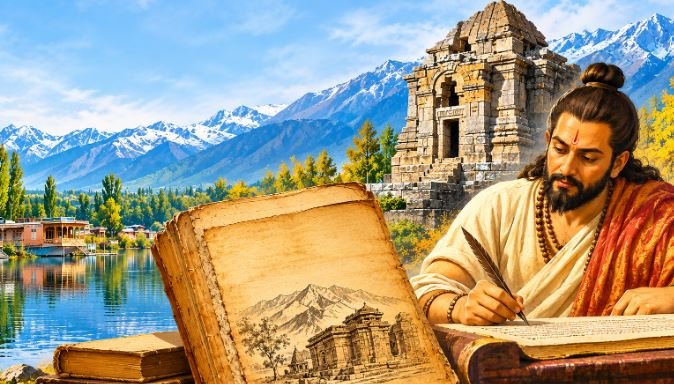
The history of a civilisation is not preserved through monuments and ancient structures alone. It also survives in manuscripts that carry the knowledge, experiences and intellectual achievements of generations long gone. These written records help societies understand their origins, appreciate their cultural inheritance and recognise the lessons of the past. The inscription of Kalhana’s Rajatarangini in UNESCO’s Memory of the World Regional Register for Asia and the Pacific is therefore a significant moment for Jammu and Kashmir. Beyond international recognition, it offers an opportunity to strengthen our commitment to protecting the historical and literary treasures that define the region’s rich heritage.
Chief Minister Omar Abdullah’s appreciation of this recognition reflects the importance of Rajatarangini to Kashmir’s historical identity. Preserved at the Oriental Research Library in Srinagar, the manuscript represents an extraordinary contribution to historical scholarship. Composed by Kalhana in the twelfth century, the chronicle provides valuable insights into Kashmir’s rulers, political developments, social traditions and cultural evolution. What distinguishes Rajatarangini is Kalhana’s effort to examine the past through available records, earlier accounts and historical traditions. Although the work must be interpreted within the circumstances of its time, it remains an important example of early historical writing in the Indian subcontinent. Its relevance extends beyond the lives of kings and rulers, encouraging reflection on governance, human relationships, political responsibility and the changing character of society. For Jammu and Kashmir, this recognition is a reminder that the region possesses an intellectual inheritance worthy of continued exploration. Its literary traditions and historical scholarship form an important part of a wider cultural identity. Such achievements deserve appreciation not merely because they attract international attention, but because they connect present generations with centuries of learning and knowledge. However, recognition alone cannot guarantee preservation. Ancient manuscripts remain vulnerable to deterioration unless supported by appropriate conservation facilities, trained professionals and careful documentation. The responsibility of protecting these records must therefore continue long after the celebrations surrounding international honours have concluded. The Oriental Research Library’s contribution deserves particular recognition. Libraries and archival institutions quietly safeguard knowledge that might otherwise disappear with time. Strengthening their infrastructure, professional expertise and research facilities should become an important priority for cultural preservation. There is also a need to make this historical inheritance more accessible to young people. Many students recognise the names of important historical works without fully understanding their significance. Universities, schools and cultural institutions can address this gap through lectures, exhibitions, translations and research initiatives that encourage meaningful engagement with historical sources. Digitisation offers another valuable opportunity. Carefully prepared digital archives can improve research access while reducing unnecessary handling of fragile manuscripts. However, technology should complement professional conservation rather than replace it. Historical scholarship also carries a responsibility to encourage thoughtful interpretation. Kashmir’s past reflects diverse communities, traditions and experiences. Understanding this complexity requires openness, critical inquiry and respect for historical evidence. Rajatarangini should inspire informed discussion rather than narrow interpretations that overlook the richness of the region’s historical development. The Government should consider a sustained programme involving manuscript conservation, digital cataloguing, scholarly translations, research fellowships and public exhibitions. Universities, libraries and cultural organisations should collaborate to make historical knowledge accessible while ensuring that original documents remain properly protected.
Ultimately, the greatest significance of this recognition lies not in the honour itself, but in what Jammu and Kashmir chooses to do with it. History becomes meaningful when it encourages people to understand their roots, learn from earlier generations and approach the future with greater wisdom. The finest tribute to Kalhana would be to preserve his work with care, study it with intellectual honesty and bring its knowledge closer to ordinary readers. International recognition has renewed attention to Rajatarangini, but its enduring value will depend on whether our children understand the heritage it represents. A society truly honours its past when it transforms historical knowledge into understanding, cultural pride into responsibility and inherited wisdom into a lasting gift for future generations.

