


India’s Agricultural Exports Surge as Basmati Rice, Frozen Potatoes and Corn Gain Global Markets
Agricultural shipments register strong growth during April–September FY27, with Basmati rice exports rising 25.4 per cent and yellow dent corn shipments increasing nearly 12-fold amid expanding demand across international markets.
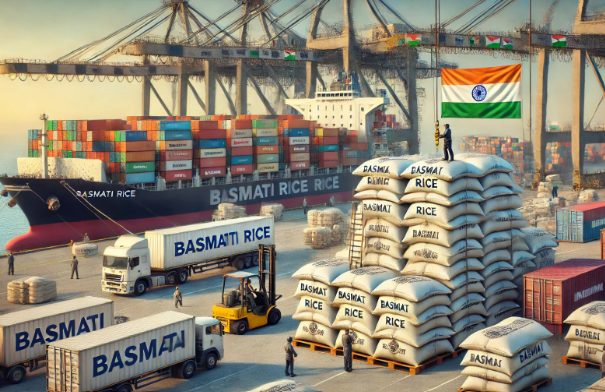
NEW DELHI, Nov 20: India’s agricultural export sector has recorded substantial growth during the first six months of the current financial year, with Basmati rice, processed frozen potatoes and yellow dent corn emerging as major contributors to the expansion.
According to information released by the Ministry of Commerce and Industry on Friday, agricultural shipments increased across several important product categories between April and September of FY 2026-27, reflecting stronger overseas demand and the expanding international reach of Indian agricultural products.
Basmati rice exports registered a year on year increase of 25.4 per cent, while shipments of prepared or preserved frozen potatoes rose 20.8 per cent. Yellow dent corn recorded the most significant expansion, with exports increasing nearly 12-fold during the six-month period.
The latest performance highlights India’s growing presence in international agricultural trade and the increasing importance of processed food products alongside traditional agricultural commodities.
The expansion has been supported by stronger demand in established markets as well as the emergence of new export destinations across West Asia, East Asia and Southeast Asia.
According to the government, the increase in overseas shipments reflects the diversification of India’s agricultural export basket and the ability of domestic producers to access new international markets.
Basmati rice remains a major export contributor
Basmati rice continued to play a significant role in India’s agricultural export performance during the reporting period.
Exports of the premium rice variety increased 25.4 per cent to USD 1.60 billion during April-September FY27, compared with USD 1.28 billion in the corresponding period of the previous financial year.
The increase reflects sustained international demand for Indian Basmati rice, particularly in West Asian countries and other traditional importing markets.
Iran, Saudi Arabia and the United States remained among the important destinations for Indian shipments.
India has maintained a prominent position in the global Basmati rice trade because of its established production base, recognised varieties and extensive international distribution network.
The product is widely used in several international cuisines and commands a premium in overseas markets because of its distinctive aroma, long grains and cooking characteristics.
The increase in export earnings also reflects the importance of value-added agricultural products in strengthening India’s merchandise trade.
For Indian exporters, overseas demand provides opportunities to expand production, improve processing facilities and strengthen distribution arrangements with international buyers.
However, the industry continues to remain sensitive to changes in global food prices, international trade regulations, transportation expenses and geopolitical developments affecting important importing regions.
Processed frozen potato exports gain momentum
Prepared or preserved frozen potato products also recorded encouraging growth during the first half of FY27.
Exports increased 20.8 per cent during April-September, indicating expanding demand for Indian processed food products in international markets.
The growth reflects the increasing opportunities available to India’s food processing industry as international consumers and commercial buyers seek convenient food products with longer storage potential.
Frozen potato products are widely used by restaurants, hotels, fast-food chains and food service companies.
Their growing popularity has created additional opportunities for exporters capable of maintaining consistent quality, processing standards and international food safety requirements.
India’s agricultural processing industry has been gradually expanding its capacity to serve overseas markets, supported by improvements in food storage, packaging, transportation and supply chain management.
The increase in exports also highlights the potential for farmers and food processing companies to benefit from stronger international demand for products beyond conventional fresh agricultural commodities.
Value-added processing can help reduce post-harvest losses and improve the commercial value of agricultural produce.
However, maintaining consistent quality and meeting the regulatory requirements of importing countries remain essential for sustaining export growth.
Yellow dent corn records exceptional expansion
The most striking development in the government’s latest export assessment was the sharp increase in shipments of yellow dent corn.
Exports of the commodity increased nearly 12-fold during April-September FY27, reflecting a significant expansion in overseas demand.
The increase was supported by shipments to several emerging markets, particularly in Asia.
Vietnam emerged as the largest destination during the period, with Indian exports rising from just USD 0.02 million to USD 69.94 million.
This represented an extraordinary increase of approximately 3,49,600 per cent.
Bangladesh also emerged as an important destination, with shipments reaching USD 30.84 million.
The Philippines recorded imports worth USD 8.55 million, indicating the growing geographical spread of Indian corn exports.
The United Arab Emirates witnessed a substantial increase as well, with shipments rising approximately 3,867 per cent from USD 0.18 million to USD 7.14 million.
Malaysia recorded an increase of approximately 903 per cent, with exports climbing from USD 0.34 million to USD 3.41 million.
The figures indicate that Indian agricultural exporters are increasingly reaching markets that previously accounted for relatively small shares of their international business.
The sharp increase in yellow dent corn shipments also demonstrates the potential of emerging agricultural export categories to contribute to overall trade growth.
However, the exceptionally high percentage increases partly reflect the very small export bases recorded in some of these markets during the previous year.
Sustaining the momentum will therefore depend on whether exporters can maintain supply volumes, competitive pricing and long-term commercial relationships with overseas buyers.
New international markets strengthen export opportunities
Geographical diversification has emerged as another important feature of India’s agricultural export performance.
While traditional destinations continue to account for a significant share of agricultural shipments, newer markets are increasingly contributing to export expansion.
Vietnam’s emergence as a major destination for yellow dent corn highlights the potential of Southeast Asian economies for Indian agricultural products.
Bangladesh and the Philippines have also become important markets for selected commodities.
Meanwhile, the UAE’s growing purchases reflect the continued importance of West Asian markets for India’s agricultural exporters.
The expansion into different geographical regions can help reduce excessive dependence on a limited number of importing countries.
It also provides exporters with opportunities to respond to changing consumption patterns and demand conditions across international markets.
India’s proximity to several Asian markets offers logistical advantages, particularly for agricultural products that require efficient transportation and handling.
However, exporters must continue improving supply chain efficiency to remain competitive against other major agricultural producers.
International buyers increasingly expect reliable delivery schedules, consistent product specifications and compliance with food safety standards.
These requirements make investments in storage infrastructure, processing facilities and quality control particularly important.
Food processing industry gains a wider international role
The growth in processed frozen potato exports also highlights the broader opportunities available to India’s food processing sector.
For a country with a substantial agricultural production base, expanding the processing industry can create additional economic value by converting raw agricultural produce into products suitable for domestic and international consumption.
Processing activities can also support employment generation in rural and semi-urban areas.
The sector connects farmers with manufacturers, packaging companies, transportation operators, exporters and overseas distributors.
As international demand for processed food expands, Indian companies could benefit from investments in modern production facilities and improved cold-chain infrastructure.
Such developments could also improve the ability of farmers to access markets beyond traditional domestic trading channels.
The government has been promoting agricultural exports through various initiatives aimed at improving infrastructure, facilitating trade and strengthening the competitiveness of Indian agricultural products.
Export-oriented processing and diversification are important components of these efforts.
The latest figures suggest that opportunities are emerging across traditional food commodities as well as newer processed products.
Challenges remain despite encouraging export figures
Despite the strong performance, India’s agricultural exporters continue to face several challenges.
International food markets are influenced by changing commodity prices, weather conditions, transportation expenses and trade restrictions.
Any disruption in global supply chains can increase shipping costs and affect the competitiveness of Indian products.
Agricultural exports are also sensitive to production fluctuations caused by rainfall patterns, temperature variations and other climatic factors.
Maintaining consistent quality and supply volumes is particularly important when dealing with large international buyers.
For processed products, exporters must also comply with the food safety and packaging requirements prescribed by importing countries.
The availability of efficient cold storage facilities and reliable transportation networks remains essential for expanding the international trade of perishable and processed agricultural commodities.
Small farmers and agricultural businesses may also face difficulties in accessing export markets because of limited financial resources, inadequate infrastructure and complex regulatory procedures.
Strengthening cooperation between farmers, processors, exporters and government agencies could help address some of these challenges.
Greater investment in agricultural research, improved farming practices and modern processing technology would also support the sector’s long-term competitiveness.
Export diversification offers fresh growth opportunities
The strong performance during April-September FY27 provides encouraging signs for India’s agricultural export industry.
The increase in Basmati rice shipments demonstrates the continuing strength of established export commodities, while the expansion in frozen potato products points towards growing opportunities in value added food processing.
The sharp rise in yellow dent corn exports further indicates the potential of emerging products and newer international markets.
For the broader economy, stronger agricultural exports can contribute to foreign exchange earnings, support rural incomes and generate employment across farming and allied industries.
The expansion also provides opportunities for Indian businesses to establish stronger commercial relationships with overseas buyers and diversify their international operations.
Going forward, maintaining the current growth momentum will depend on improving productivity, strengthening logistics and ensuring that domestic products meet international quality standards.
The government’s latest figures underline the growing contribution of agricultural and processed food products to India’s external trade.
With demand expanding across several international destinations, agricultural exports could become an increasingly important source of growth for the country’s trade and food processing industries.

