


ICMR Survey Reports Lower Anaemia Levels, Highlights Persistent Nutritional Gaps
SAMPADA study covering more than two lakh people across 35 states and Union Territories finds substantial differences among children, adolescent girls and women, underlining the need for targeted nutritional interventions.
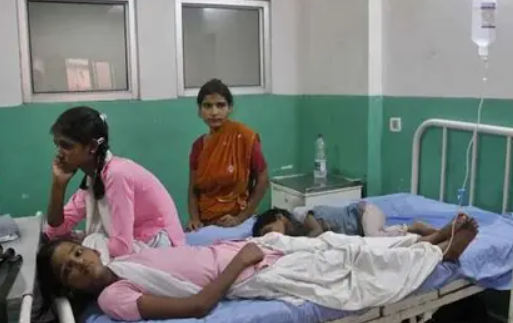
NEW DELHI, Nov 23: India has recorded an overall decline in anaemia prevalence compared with earlier national surveys, according to the latest findings released by the Indian Council of Medical Research (ICMR). However, the results indicate that the condition continues to affect vulnerable population groups, particularly young children, adolescent girls and women of reproductive age.
The findings were released on November 23 under the Survey for Assessment of Markers of Population Health, Activity, Diet and Anthropometry (SAMPADA) 2023–2025. The large-scale assessment provides updated information on anaemia and micronutrient deficiencies across different age groups and physiological categories.
The survey covered more than two lakh individuals from over 81,000 households across 183 districts in 35 states and Union Territories. More than 1.7 lakh blood samples were analysed to estimate haemoglobin levels and assess the prevalence of anaemia among different sections of the population.
According to the ICMR, the results indicate an encouraging reduction in anaemia compared with previous national surveys. Nevertheless, the condition remains an important public health challenge because its prevalence varies considerably depending on age, sex, nutritional requirements and physiological status.
Among children aged 12 to 59 months, the survey recorded an anaemia prevalence of 42 per cent. Adolescent girls between 10 and 19 years had a prevalence of 46 per cent, while the corresponding figure among adolescent boys was considerably lower.
Women of reproductive age recorded an anaemia prevalence of 56 per cent, highlighting the continuing nutritional challenges faced by this group. Among men aged 20 to 59 years, the prevalence ranged between 22 and 23 per cent, indicating a comparatively lower burden.
The findings underline the importance of examining anaemia across the entire life cycle rather than treating it as a condition affecting only pregnant women or young children.
Anaemia develops when the blood does not have sufficient healthy red blood cells or haemoglobin to carry oxygen effectively throughout the body. Haemoglobin is an iron-containing protein that enables red blood cells to transport oxygen from the lungs to different organs and tissues.
People with anaemia may experience fatigue, weakness, dizziness, headaches, reduced physical endurance and difficulty concentrating. In more serious cases, the condition can affect daily functioning and contribute to complications, particularly among pregnant women, young children and individuals with underlying medical conditions.
In children, prolonged anaemia can interfere with physical growth, cognitive development and learning abilities. Among adolescents, inadequate nutrition during a period of rapid growth can affect overall health and educational performance.
For women, particularly those who are pregnant or planning pregnancy, anaemia can increase health risks and require timely medical assessment and treatment.
One of the important aspects of the SAMPADA findings is the distribution of anaemia according to severity. The survey reported that mild anaemia constitutes a substantial proportion of the overall burden.
Approximately half of anaemic women, including pregnant and lactating women, adolescent girls and children, were found to have mild anaemia. The report also indicated that severe anaemia remained below two per cent in most age groups.
Among adolescent boys, adult men and older men, the prevalence was considerably lower, and nearly three-fourths of affected individuals in these groups had mild anaemia.
Although these findings provide an encouraging picture regarding the severity of the condition, they do not mean that mild anaemia can be ignored. Even comparatively less severe cases require attention because untreated nutritional deficiencies can persist or worsen over time.
Early identification and appropriate intervention are therefore important components of public health management.
A major strength of the SAMPADA survey is its methodology. Unlike assessments relying primarily on less direct approaches, the study used venous blood sampling and automated analysers for haemoglobin estimation.
The ICMR said this method offers greater accuracy and reproducibility, helping generate more dependable estimates of anaemia prevalence.
The research also included a detailed assessment of micronutrient status in a selected group of participants. Investigators examined iron, folate and vitamin B12 levels, along with inflammatory biomarkers such as C-reactive protein (CRP) and alpha-1-acid glycoprotein (AGP).
These measurements helped researchers examine the possible contribution of nutritional deficiencies and inflammation to anaemia.
The results indicate that iron deficiency accounts for approximately half of anaemia cases among women, adolescent girls and children. This establishes iron deficiency as an important factor, particularly among population groups with higher nutritional requirements.
However, the findings also demonstrate that anaemia cannot be explained entirely by insufficient iron intake.
Other factors, including infections, inherited blood disorders known as haemoglobinopathies and inflammation associated with chronic diseases, can also contribute to reduced haemoglobin levels.
This distinction is important because treatment strategies need to address the underlying cause rather than assuming that every individual diagnosed with anaemia has an iron deficiency.
The survey found that iron deficiency is concentrated among specific population groups, particularly children below five years of age, adolescent girls and women of reproductive age.
By comparison, adolescent boys, adult men and older people showed lower levels of iron deficiency.
The findings also suggest that iron deficiency is more common among individuals with moderate and severe anaemia. This makes diagnostic testing particularly important for people belonging to these categories.
The ICMR emphasised that individuals with moderate or severe anaemia should be identified through appropriate investigations and provided treatment based on their clinical requirements. Their progress should also be monitored until the condition is resolved.
The assessment further found that vitamin B12 and folate deficiencies were present at broadly similar levels among anaemic and non-anaemic individuals across population groups. This indicates that these deficiencies had a limited overall contribution to anaemia in the survey population compared with iron deficiency and other factors.
The findings offer important information for strengthening the government’s Anaemia Mukt Bharat programme, which aims to reduce anaemia through nutritional interventions, screening, treatment and public awareness.
The programme focuses on vulnerable groups, including children, adolescents, pregnant women and women of reproductive age. Its interventions include iron and folic acid supplementation, dietary diversification, behaviour-change communication and identification of individuals requiring medical treatment.
The SAMPADA results can help policymakers refine these interventions by identifying population groups that require more focused attention.
For example, the relatively high prevalence among adolescent girls points towards the need for sustained nutritional support during adolescence. This stage of life involves significant physical development and increased nutritional requirements.
Inadequate dietary intake, menstrual blood loss and other health-related factors can increase the risk of iron deficiency among adolescent girls. Ensuring access to balanced meals, appropriate supplementation and regular health assessments can help reduce the burden.
Similarly, the findings among children below five years highlight the importance of maternal nutrition, appropriate infant and young child feeding practices and timely identification of nutritional deficiencies.
The health of women before and during pregnancy is another important area requiring attention. Anaemia during pregnancy can affect maternal well-being and increase the risk of complications. Regular antenatal check-ups and appropriate nutritional interventions remain essential for prevention and management.
The survey’s coverage of older adults is another significant development. It provides nationally representative estimates for a population group for which comprehensive national-level information has previously been limited.
Older people may experience anaemia because of nutritional deficiencies, chronic inflammation, kidney disease and other underlying medical conditions. Identifying the cause is essential to ensure appropriate management.
The inclusion of older adults in the assessment therefore expands the understanding of anaemia beyond traditionally studied groups and supports a broader approach to public health planning.
ICMR Director-General and Secretary of the Department of Health Research, Dr Rajiv Bahl, said the findings provide comprehensive evidence on anaemia across children, adolescents, adults, pregnant and lactating women and older adults.
He noted that the lower prevalence compared with previous national surveys was encouraging and that the findings could strengthen ongoing efforts under Anaemia Mukt Bharat.
ICMR-National Institute of Nutrition Director Dr Bharati Kulkarni also highlighted the importance of population-specific approaches to prevention and management. She said the findings could support targeted interventions while identifying areas requiring further research and improved surveillance.
The survey is expected to provide policymakers with a stronger evidence base for planning nutritional programmes and assessing their effectiveness.
Its findings also highlight the importance of improving access to diagnostic facilities, particularly in areas where healthcare services and nutritional awareness remain limited.
Public health interventions need to combine dietary improvement with medical evaluation, as anaemia can arise from several different causes. Increasing consumption of iron-rich foods, improving dietary diversity and ensuring access to appropriate supplementation can contribute to prevention.
Foods such as green leafy vegetables, pulses, beans, nuts and fortified cereals can form part of a balanced diet. Vitamin C-rich foods can also improve the absorption of non-haem iron from plant-based sources.
However, individuals diagnosed with anaemia should not rely exclusively on dietary changes without medical advice, particularly when the condition is moderate or severe. Appropriate investigations are necessary to identify possible underlying causes and determine treatment.
The SAMPADA findings also raise important questions about regional differences, household nutrition and access to healthcare. Although national estimates provide an overall picture, local conditions can vary significantly.
Differences in dietary habits, socioeconomic circumstances, healthcare access and the prevalence of infections may influence anaemia levels across communities.
Policymakers can use the survey’s extensive geographical coverage to develop more focused strategies and identify areas where additional resources are required.
The study also demonstrates the value of reliable health data in evaluating national programmes. Regular assessments using consistent and scientifically robust methods can help authorities identify improvements, monitor emerging challenges and adjust interventions according to changing public health needs.
While the reduction in overall anaemia prevalence offers a positive indication of progress, the figures among children, adolescent girls and women show that substantial work remains.
The challenge for India’s healthcare system will be to translate the survey’s findings into effective interventions that reach vulnerable populations and address the different causes of the condition.
With evidence covering more than two lakh individuals across the country, SAMPADA provides an important foundation for improving nutritional policies, strengthening screening services and advancing the goal of reducing anaemia across all stages of life.

