Annpurna Devi Urges Girls to Complete Education, Marry Only After 18
Union minister calls for collective action to eliminate child marriage by 2030, Delhi CM Rekha Gupta warns of strict action against families forcing underage marriages.
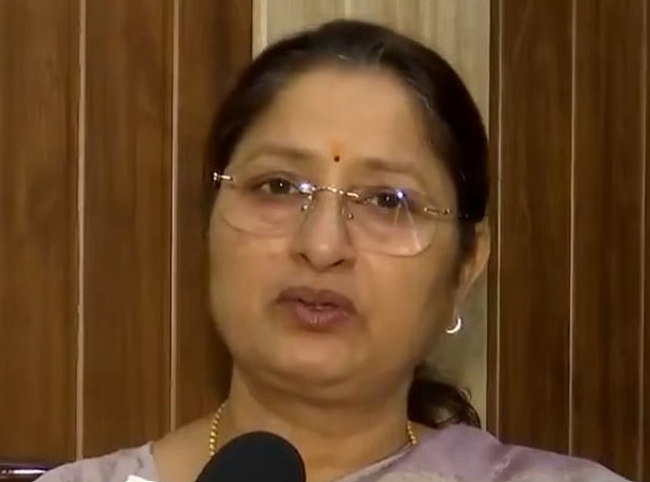
NEW DELHI, Nov 27: Union Women and Child Development Minister Annpurna Devi on Friday called upon families and communities to ensure that every girl completes her education and enters marriage only after attaining the legal age of 18, stressing that eliminating child marriage requires collective efforts beyond government intervention.
Speaking at an event marking the second anniversary of the ‘Bal Vivah Mukt Bharat’ campaign, Devi appealed to citizens to take responsibility for preventing underage marriages in their families, neighbourhoods and communities.
She highlighted the adverse consequences of early marriage, including premature pregnancies, health complications and limited educational and professional opportunities for young girls. According to the minister, many women who could contribute significantly to the country’s development are unable to realise their potential because of being married at an early age.
Devi reiterated the government’s commitment to making India free from child marriage by 2030, expressing confidence that the target could be achieved before the deadline.
She noted that nearly seven lakh awareness programmes had been conducted across the country during the past two years, reaching more than 12 crore people. Participants in these initiatives also pledged to oppose child marriage.
The minister acknowledged the contributions of several states, particularly Assam, Bihar, Uttar Pradesh and Tripura, for their awareness drives and measures to curb the practice.
Explaining the campaign’s implementation strategy, Devi said it follows a coordinated approach involving government departments and civil society, with particular emphasis on districts reporting higher instances of child marriage.
She also pointed to the availability of the Bal Vivah Mukt Bharat portal and Child Helpline 1098, which allow citizens to report suspected cases and facilitate timely intervention. Child Marriage Prohibition Officers (CMPOs) have also been designated at the gram panchayat level to strengthen monitoring and enforcement.
Emphasising the transformative role of education, Devi said schooling enables girls to acquire essential skills, achieve financial independence and make informed decisions about their futures.
She added that government initiatives, including Beti Bachao, Beti Padhao, Sukanya Samriddhi Yojana, Saksham Anganwadi and Poshan 2.0, alongside skill development programmes, are expanding opportunities for girls.
The minister also referred to the nationwide awareness campaign being conducted between October 21 and December 21 to strengthen public participation and improve mechanisms for identifying and preventing child marriages.
She said the United Nations General Assembly’s decision in September 2026 to designate November 27 as the annual International Day for the Elimination of Child, Early and Forced Marriage reflected growing international recognition of efforts to address the practice. The global commitment aims to eliminate such marriages by 2030.
Addressing the gathering, Delhi Chief Minister Rekha Gupta said child marriage prevalence in the national capital was approximately 11 per cent, compared with the national figure of 20 per cent.
She warned that her government would adopt stringent measures against families forcing their daughters into underage marriages.
Gupta said families involved in such practices would face legal consequences and could also be barred from receiving benefits under government welfare schemes.
While acknowledging that the national prevalence rate had declined from 23 per cent to 20 per cent, she said the remaining figure continued to be a serious concern requiring sustained intervention.
Calling for greater investment in girls’ education, the Delhi chief minister said their progress depended on ensuring uninterrupted access to schooling and protecting their right to pursue their aspirations.
She also stressed the importance of women’s participation in decision-making, referring to the proposed 33 per cent reservation for women in Parliament and state legislative assemblies.
Gupta said empowering daughters and protecting them from early marriage were essential to building a society in which women could participate equally in governance and national development.
Minister of State for Women and Child Development Savitri Thakur also underscored the need for grassroots involvement in eliminating child marriage. She highlighted the importance of panchayats, frontline workers and community representatives in identifying vulnerable children, spreading awareness and preventing underage marriages.
Thakur said achieving a child marriage-free India by 2030 was an important milestone towards realising the vision of Viksit Bharat by 2047.
Launched on November 27, 2024, the Bal Vivah Mukt Bharat campaign seeks to eradicate child marriage through public awareness, community participation, stronger institutional mechanisms, prompt reporting of violations and initiatives aimed at improving girls’ education, empowerment and overall well being.