


India-US Trade Deal Nears Finalisation as Washington Offers 17% Tariff Cap
Commerce Minister Piyush Goyal signals progress in negotiations with the United States as a proposed 25% tariff on Indian goods raises concerns among exporters and manufacturers.
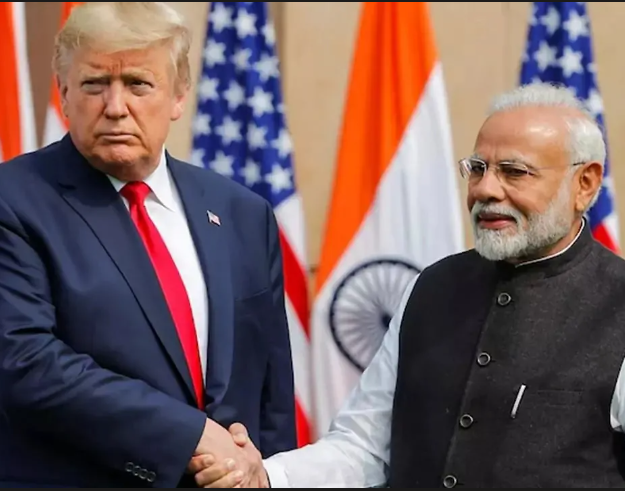
NEW DELHI, Nov 27: India and the United States are moving closer to finalising their long-pending bilateral trade agreement, with Commerce and Industry Minister Piyush Goyal indicating that the framework and process required to conclude negotiations are beginning to take shape.
The development comes at a crucial stage in bilateral economic relations, as Washington has proposed imposing tariffs of up to 25 per cent on Indian imports, while offering to limit the rate to 17 per cent if both countries reach a trade agreement.
Speaking virtually at the India Debt Capital Market Summit 2026 on Friday, Goyal expressed optimism about the progress made during negotiations, suggesting that the two sides were addressing issues that had previously prevented the agreement from reaching its final stage.
“The US trade deal is close to culmination. The process and pathway, which was always something which held back finalising the deal, is now taking some shape,” the minister said.
His remarks have renewed attention on the negotiations, which are being closely followed by Indian exporters, manufacturing companies, financial institutions and investors. The United States is among India’s most important trading partners, making the outcome of the discussions significant for businesses seeking stable access to the American market.
The latest tariff proposal has added urgency to the negotiations. US Trade Representative Jamieson Greer indicated that Washington would cap tariffs on Indian products at 17 per cent if an agreement was concluded. Without a deal, the proposed rate could rise to 25 per cent.
The proposal followed an investigation conducted by the United States Trade Representative under Section 301(b) of the Trade Act of 1974. The investigation examined what Washington described as structural excess manufacturing capacity in several trading partners, including India.
The US administration has argued that certain industrial policies and manufacturing practices in these economies create disadvantages for American producers and affect efforts to strengthen domestic manufacturing.
India, however, has rejected the allegation that it possesses structural excess capacity in any industrial sector. The Commerce Ministry has said that New Delhi is examining the American notification and has already communicated its position during the investigation.
The Indian government has also maintained that trade-related concerns should be addressed through discussions under the bilateral trade agreement rather than through additional restrictions.
The disagreement highlights the challenges involved in reaching an arrangement that balances Washington’s demands with India’s domestic economic priorities.
For Indian businesses, the proposed tariff difference is particularly important because even a relatively small increase in import duties can influence the competitiveness of products in international markets.
Exporters competing with suppliers from other countries must consider the final landed cost of their products, including tariffs, transportation, insurance and compliance expenses. A higher duty can make Indian goods more expensive for American buyers and encourage importers to explore alternative sourcing destinations.
Industries with significant exposure to the American market are therefore watching the negotiations closely. Manufacturers, engineering companies, pharmaceutical producers, exporters of industrial components and other merchandise suppliers could be affected by changes in market access conditions.
A reduction in tariff uncertainty would also help companies make longer-term decisions regarding production capacity, supply contracts and investment commitments.
The proposed 17 per cent rate, if incorporated into a final agreement, would provide greater clarity compared with the threat of a 25 per cent levy. However, the actual commercial benefit would depend on the final terms of the agreement, including product-specific provisions, exemptions, reciprocal market access and implementation arrangements.
The negotiations are also taking place against the background of broader changes in international trade. Governments and companies are increasingly reassessing supply chains, production locations and sourcing arrangements amid geopolitical tensions and competition for manufacturing investment.
India has been attempting to strengthen its position as a manufacturing and export destination by improving infrastructure, expanding industrial capacity and negotiating preferential trade arrangements with major economies.
A successful agreement with the United States could support these efforts by providing businesses with a more predictable framework for accessing one of the world’s largest consumer markets.
However, the proposed tariff arrangement also means that Indian negotiators must carefully evaluate the concessions required to secure an agreement.
New Delhi has repeatedly emphasised the importance of protecting sensitive domestic industries and ensuring that trade arrangements provide balanced opportunities for Indian companies.
The government’s position on manufacturing capacity is particularly relevant because accepting the American allegations without sufficient clarification could create concerns about India’s industrial policies and future trade treatment.
The outcome of the negotiations will therefore involve more than simply deciding the applicable customs duty. Both countries will need to establish mutually acceptable conditions covering trade barriers, industrial policy concerns and the treatment of businesses operating across their markets.
India expands its global trade partnerships
While negotiations with Washington remain a major priority, India is also pursuing agreements with other major trading partners to diversify export destinations and strengthen international commercial relationships.
Goyal said the proposed free trade agreement between India and the European Union was expected to be signed in December 2026 and could become operational by March or April 2027.
The proposed arrangement is significant because the European Union represents a major market for Indian manufactured goods, services and other exports.
A comprehensive agreement could provide Indian companies with improved access to European consumers while encouraging investment, technology partnerships and industrial cooperation.
The minister also highlighted India’s expanding network of free trade agreements. According to him, nine agreements covering 38 developed countries had been finalised over the preceding four to five years, representing economies with a combined gross domestic product of approximately USD 70 trillion.
Another eight or nine trade agreements were under negotiation. Their completion could expand the economic coverage of India’s trade arrangements to approximately USD 85 trillion.
These agreements are intended to create additional opportunities for Indian exporters and strengthen the country’s integration with international markets.
However, the availability of preferential market access alone does not guarantee an increase in exports. Companies must also develop competitive products, maintain quality standards, meet regulatory requirements and establish reliable distribution networks.
Goyal urged exporters and financial institutions to translate the opportunities created by trade agreements into concrete investment decisions.
He emphasised that businesses should increase their production capabilities and prepare to serve markets that become accessible through new international arrangements.
The minister’s comments underline the government’s intention to connect trade negotiations with domestic manufacturing growth.
Investment and financing remain important priorities
Goyal also addressed the importance of developing India’s domestic debt market, calling on large corporations, public sector undertakings and infrastructure developers to use bond markets as an important source of long-term financing.
He encouraged companies to consider the bond market as their first option for raising funds, particularly for projects requiring substantial capital expenditure.
Long-term infrastructure investments generally require financing structures that match the extended period over which projects generate revenue. A deeper corporate bond market could provide companies with alternatives to traditional bank borrowing.
The minister also called on insurance companies, pension funds and mutual funds to increase their participation in long-term debt instruments and consider opportunities beyond issuers carrying the highest credit ratings.
A broader investor base could help improve liquidity and expand financing options for infrastructure and industrial development.
On the impact of rising crude oil prices, Goyal said markets sometimes react too strongly to relatively small movements in international oil prices.
He acknowledged that higher energy costs can affect the economy but argued that India’s economic structure, foreign exchange reserves, remittance flows and investment position had strengthened compared with previous decades.
The comments come as international energy markets remain vulnerable to geopolitical developments and supply disruptions.
For India, which imports a substantial portion of its crude oil requirements, sustained increases in petroleum prices can raise the import bill, influence inflation and place pressure on the current account.
The government’s broader economic strategy therefore involves strengthening exports, attracting investment, improving manufacturing competitiveness and diversifying international trade relationships.
Negotiations enter a decisive phase
The latest statement from Goyal has provided a positive indication about the direction of India-US negotiations, although a final agreement has not yet been announced.
Businesses will continue to assess the implications of the proposed American tariffs while waiting for greater clarity on the agreement’s terms.
For exporters, the immediate priority is certainty regarding the duties that will apply to their products and the conditions under which they can compete in the American market.
For policymakers, the challenge is to secure improved trade access without compromising important domestic economic interests.
The proposed tariff reduction from 25 per cent to 17 per cent could provide an incentive for both sides to complete negotiations. However, the final outcome will depend on whether India and the United States can resolve their remaining differences.
A successful agreement could strengthen bilateral commercial ties, improve business confidence and provide a fresh impetus to investment and trade.
For now, Goyal’s remarks suggest that negotiations have entered an important stage, with the coming weeks likely to be significant for the future of the economic partnership between the two countries.

