CM Yogi Adityanath Says BJP Will Contest Elections With ‘Lotus’ as Its Face
Amid speculation over differences with Deputy CM Keshav Prasad Maurya, Adityanath says the BJP will decide candidates based on local factors, while defending the party's governance record and welfare initiatives.
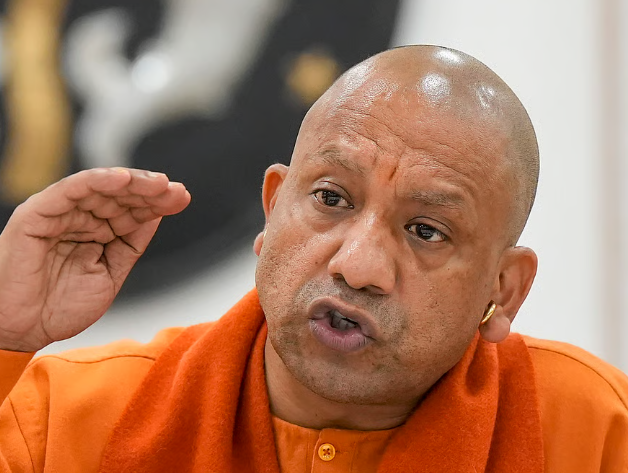
VARANASI, Nov 28: Uttar Pradesh Chief Minister Yogi Adityanath on Saturday asserted that the BJP would contest elections with its ‘lotus’ symbol as the party’s face, amid renewed speculation over differences between him and Deputy Chief Minister Keshav Prasad Maurya ahead of the 2027 Assembly polls.
Speaking at an NDTV event in Varanasi, Adityanath said the lotus represented the identity of every BJP worker and had consistently remained the party’s electoral symbol.
“The lotus flower is the face of every BJP worker. The BJP contests elections with the lotus as its face,” he said.
His remarks came days after Maurya, speaking at a media event on November 25, said the BJP fought elections on the lotus symbol and selected its chief ministerial candidate through a consensus among elected legislators after the results. When asked why he had not identified Adityanath as the party’s prospective chief minister, Maurya reiterated that the lotus was the BJP’s face during election campaigns.
Other senior party leaders, including Uttar Pradesh BJP president Pankaj Chaudhary, have also maintained that the party contests elections collectively under the leadership of Prime Minister Narendra Modi.
Addressing concerns over possible anti-incumbency against sitting BJP legislators, Adityanath dismissed suggestions that the party could lose 30 to 40 per cent of its seats, arguing that electoral performance could not be assessed through a single parameter.
He maintained that BJP legislators had contributed significantly to the development of their constituencies, claiming their work exceeded that of representatives from previous governments since Independence.
The chief minister also highlighted the government’s welfare initiatives, asserting that their benefits had reached traders, farmers, economically weaker sections and women on an unprecedented scale.
On candidate selection for the forthcoming elections, Adityanath said the party would consider regional conditions, social factors and local circumstances before finalising nominations. He explained that the election committee would examine potential candidates before the final decision was taken by the BJP parliamentary board.
Taking aim at the Samajwadi Party and Congress, he said opposition leaders should concentrate on resolving their internal differences instead of commenting on the BJP’s affairs. Describing his party as a united organisation, he expressed confidence in its ability to face future political challenges.
Responding to Samajwadi Party president Akhilesh Yadav’s description of him as an outsider in Uttar Pradesh, Adityanath referred to Uttarakhand as his birthplace and described it as both a spiritual centre and an important contributor to national security.
He pointed out that the hill state had supplied soldiers to the armed forces and was also the origin of the Ganga. Questioning the logic of Yadav’s remarks, he referred to the rivers originating in Uttarakhand and their significance for the country.
The chief minister also welcomed Yadav’s announcement about visiting the Ram Temple in Ayodhya on December 12 but urged him to apologise to devotees of Lord Ram over the events surrounding the Ram Janmabhoomi movement.
Recalling the controversy over police firing on karsevaks during the Samajwadi Party government’s tenure, Adityanath alleged that innocent devotees had been targeted and false cases registered against them.
He said earlier objections had been raised over the existence of Ayodhya and the possibility of constructing a Ram Temple there, but the situation had changed significantly, with large numbers of devotees now visiting the temple town.
“I am happy that he is visiting Ayodhya, but I want that he should also apologise to Ram Bhakts,” Adityanath said.
Referring to Yadav’s recent visit to Gorakhpur, the chief minister made a sarcastic remark about the SP leader’s political activities in the city. His comments also referred to the November 18 incident in which a 12 year old boy was killed after being hit by a bulldozer around the time an SP roadshow was taking place. The incident triggered a political confrontation between the BJP and the Samajwadi Party, with both sides exchanging accusations.
Adityanath further claimed that the BJP had maintained its electoral dominance in Gorakhpur across the 2017 and 2022 Assembly elections and the 2024 Lok Sabha polls. Expressing confidence about the next Assembly elections, he said the BJP and its allies would perform well in 2027.
Commenting on the opposition’s electoral preparations, he said every political party was entitled to formulate its own strategy but maintained that credibility and governance would remain important considerations for voters.
The chief minister criticised the previous Samajwadi Party government, alleging that Uttar Pradesh had faced challenges involving law and order, corruption and encroachment during its tenure.
He contrasted that period with the state’s current economic trajectory, describing Uttar Pradesh’s transformation from a BIMARU state into one of India’s growth engines as a significant achievement.
Adityanath said the government’s development agenda focused on strengthening the economy, creating opportunities for young people, supporting farmers and empowering women.
He concluded by asserting that Uttar Pradesh’s progress would contribute directly to India’s broader development goals and its ambition of becoming a developed and self reliant nation.