India Unlikely to Achieve 2026 Measles-Rubella Elimination Target Despite High Vaccination Coverage
WHO experts warn that gaps in immunisation coverage and outbreaks in under vaccinated communities could delay India's elimination efforts, despite 98 per cent coverage for the first vaccine dose.
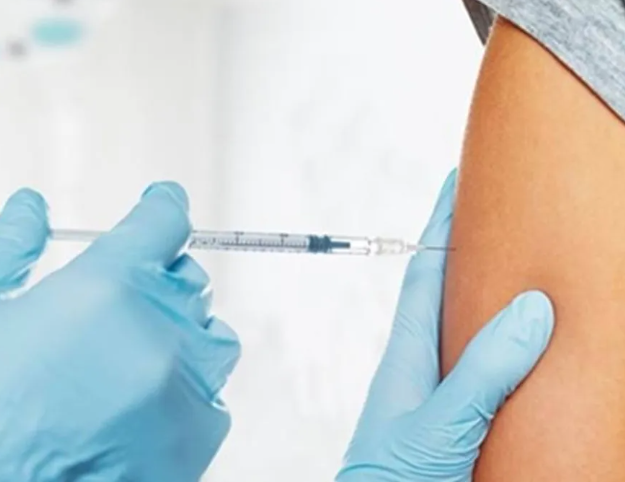
New Delhi, Nov 28: India is unlikely to achieve the World Health Organization’s (WHO) 2026 regional measles and rubella elimination target despite recording significant improvements in childhood immunisation, highlighting the continuing challenges in preventing the spread of highly infectious diseases.
According to health experts cited in a report published on Saturday, India has made considerable progress in expanding vaccination coverage, but persistent outbreaks in pockets of under-immunised communities remain a major obstacle to achieving elimination.
The country has reported 98 per cent coverage for the first dose of the measles-containing vaccine and 95 per cent for the second dose. These figures reflect substantial improvements in the national immunisation programme and demonstrate the impact of sustained vaccination efforts.
However, high national coverage figures do not necessarily mean that every child is protected. Uneven access to healthcare, missed vaccinations and gaps in local immunisation programmes continue to leave certain populations vulnerable to outbreaks.
WHO experts have cautioned that eliminating measles requires consistent protection across all communities rather than relying solely on national averages.
India recorded 17,995 measles cases in 2025, compared with 65,150 cases in 2023. The reduction indicates progress in controlling transmission, although the remaining cases underline the need for stronger surveillance and vaccination activities.
One of the major concerns is the concentration of infections in communities where vaccination coverage remains inadequate. Even when the overall national immunisation rate is high, small clusters of unvaccinated children can allow the virus to spread rapidly.
Measles is among the most contagious infectious diseases and can cause serious complications, particularly among young children and individuals with weakened immune systems. These complications include pneumonia, severe diarrhoea, dehydration and, in certain cases, inflammation of the brain.
Health authorities therefore consider timely vaccination essential for preventing outbreaks and reducing the burden on hospitals and public healthcare facilities.
The WHO has indicated that India could potentially interrupt indigenous measles transmission by 2029 and seek formal verification of elimination in 2032, provided the country demonstrates three consecutive years without local transmission.
The revised timeline reflects the complexity of eliminating a disease that continues to circulate in areas with inadequate immunisation coverage.
India’s progress has nevertheless been recognised as an important achievement in global public health. For the first time since estimates began in 2001, the country is no longer among the world’s 10 nations with the highest number of unvaccinated children.
This improvement points to the expanding reach of routine immunisation services, including vaccination drives targeting children in rural, remote and underserved areas.
However, experts have emphasised that maintaining these gains will require continued investment in healthcare infrastructure, reliable vaccine supplies and effective monitoring systems.
One of the central challenges is ensuring that children who miss routine vaccination appointments are identified and brought back into the immunisation programme.
Health workers play an important role in this process by maintaining vaccination records, conducting household visits and educating parents about the importance of completing both doses.
Misinformation surrounding vaccines also remains a concern. In some communities, misconceptions about vaccine safety and effectiveness can discourage parents from immunising their children.
The WHO has warned that misinformation and political polarisation are complicating vaccination efforts globally. According to estimates, approximately 29 million children worldwide lack full protection against measles.
The global situation demonstrates that vaccination gaps remain a significant public health concern even in countries with established immunisation programmes.
Measles outbreaks can also affect neighbouring communities because the virus spreads easily through respiratory droplets and airborne particles. An infected person can transmit the virus to others, making rapid identification and isolation important components of outbreak management.
Public health specialists stress that vaccination is the most effective method of preventing measles. Completing the recommended two-dose schedule provides stronger protection than receiving only one dose.
Parents are therefore advised to follow the immunisation schedule recommended by healthcare authorities and ensure that children receive all required vaccines at the appropriate ages.
India’s immunisation programme has expanded considerably through government initiatives, outreach campaigns and the involvement of frontline health workers. These efforts have helped improve access to vaccines and reduce the number of children who remain completely unvaccinated.
Nevertheless, the latest assessment indicates that the country must now focus on closing the remaining gaps rather than depending exclusively on improvements in national coverage statistics.
Targeted vaccination campaigns in areas reporting infections, stronger disease surveillance and improved coordination between state and central health authorities will be essential.
The challenge also requires identifying populations that face barriers to healthcare access, including migrant families and people living in geographically isolated locations.
Experts believe that sustained efforts over the coming years could place India in a stronger position to interrupt indigenous transmission and eventually secure measles elimination verification.
The reduction in reported cases is encouraging, but the latest findings serve as a reminder that elimination requires consistent protection for every child.
With millions of children still needing complete immunisation globally, strengthening routine vaccination remains one of the most important priorities for governments and international health organisations.
India’s experience highlights both the achievements and limitations of large-scale immunisation programmes, demonstrating that progress against infectious diseases depends on reaching the communities that remain outside the healthcare system.