


SAVE BIODIVERSITY ON EARTH
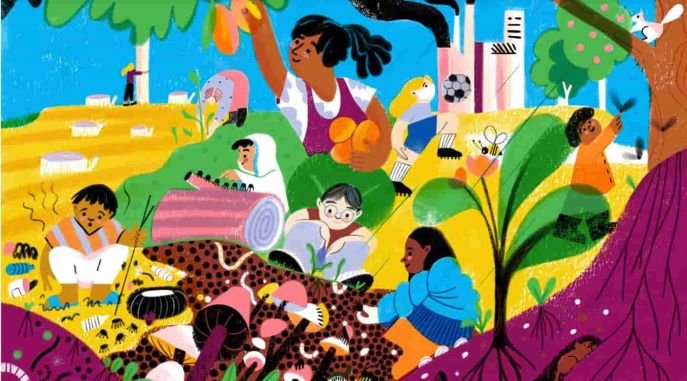
Biodiversity, or the variety of different species of plants, animals, and other living organisms on Earth, is vital to the health and sustainability of our planet. It provides a range of benefits to humans, including the provision of food, medicine, and other resources, and the maintenance of vital ecosystem services such as pollination and water purification. However, biodiversity is under threat from a range of human activities, including habitat destruction, pollution, and the introduction of invasive species. It is therefore essential that we take steps to conserve and protect biodiversity on Earth. One of the key drivers of biodiversity loss is habitat destruction. Human activities such as agriculture, urbanization, and resource extraction can all lead to the destruction or degradation of natural habitats, which can have a devastating impact on the plants and animals that depend on them. In particular, the conversion of natural landscapes to agricultural land is a major cause of habitat loss, as it often involves the clearing of forests and other ecosystems. Habitat loss can also occur as a result of natural disasters, such as wildfires and hurricanes, which can destroy large areas of habitat in a short period of time.
Another major threat to biodiversity is pollution. Pollutants such as chemicals and pesticides can have toxic effects on plants and animals, and can also interfere with their reproductive and immune systems. Air pollution, in particular, can have far-reaching impacts on biodiversity, as it can affect species across large areas and even across national borders. Water pollution can also have serious impacts on aquatic ecosystems, killing or harming fish, birds, and other species that depend on clean water for survival. The biodiversity is also seriously threatened by invasive species. These are species that can displace native species for resources and habitat when they are intentionally or unintentionally introduced to new locations. Invasive species can have a range of negative impacts on ecosystems, including the displacement of native species, the alteration of habitat and ecosystem processes, and the spread of diseases. They are often introduced through the trade in plants and animals, as well as through the accidental or intentional release of exotic pets.
There are a range of actions that can be taken to conserve and protect biodiversity on Earth. One of the most effective ways to do this is through the establishment of protected areas, such as national parks, nature reserves, and marine protected areas. These areas are set aside specifically for the protection of biodiversity, and can provide a safe haven for a wide range of species. Protected areas can also help to preserve important ecosystem services, such as pollination and water purification, which are vital for human wellbeing. Another important way to conserve biodiversity is through the promotion of sustainable land use practices. This includes practices such as sustainable agriculture, which aim to minimize the impact of farming on the environment and on biodiversity. It also includes efforts to reduce deforestation and to protect natural habitats, such as forests, grasslands, and wetlands. These habitats are vital for the survival of many species, and also provide a range of ecosystem services that are vital to human wellbeing. In addition to these efforts, it is also important to address the issue of climate change, which is having a major impact on biodiversity worldwide. Climate change is causing temperatures to rise, leading to changes in weather patterns and the distribution of species. It is also causing sea levels to rise, which can have a major impact on coastal ecosystems. To address these issues, it is necessary to reduce greenhouse gas emissions and to implement measures that can help to mitigate the impacts of climate change.
In conclusion, biodiversity is vital to the health and sustainability of our planet, and it is essential that we take steps to conserve and protect it. This requires a range of actions, including the establishment of protected areas, the promotion of sustainable land use

