


ELDERS FIRST: A CALL TO ACTION
India has become the world’s largest country by population, overtaking China. This change has come faster than expected, as China’s population has begun to shrink ahead of predictions. India is projected to maintain its position into the mid-century and beyond, with over a billion people according to The Lancet’s projections for 2100. As India’s officials prepare for the upcoming Union budget, they must take into consideration the country’s status as the largest nation in terms of population. New entitlements must be fully funded, and existing ones must be re-evaluated for their fiscal impact. India will have to prepare for a future where people pay less taxes and prefer to spend their savings rather than save them.
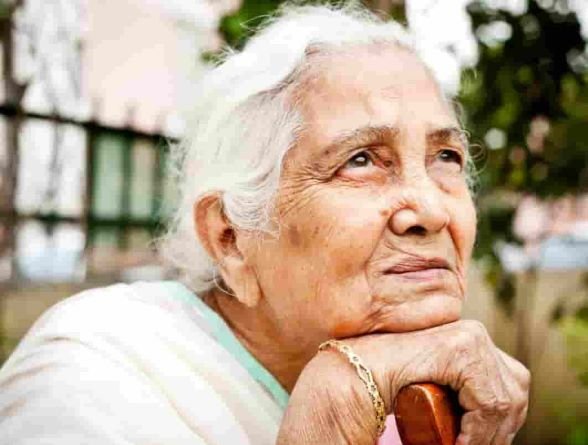
One pressing issue that must be addressed is India’s rapidly aging population. Unlike France and Sweden, which took 110 years and 80 years, respectively, to double their older population, India is projected to double its share in just 20 years. The number of people aged 60 and above is expected to increase from 320 million from 2011 to 2061, and the elderly population is projected to rise from 8.6% in the 2011 census to 12.5% by 2030, almost 20% by 2050, and over 25% by 2061. As a result, one in four people in India in 2061 is expected to be 60 or older. The question is whether India, its families, and individuals are ready for this rapid pace of aging.
India is aging before becoming rich, which is a concern. According to a 2012 study by the United Nations Population Fund, older persons in India are more likely to live in poverty, with a large number fully dependent (52%) and partially dependent (18%) on others for their livelihood. Many older persons continue to work or are forced to work due to economic conditions, as evidenced by the 9.3 million individuals aged 61 and above who availed of work benefits under the Mahatma Gandhi National Rural Employment Guarantee Act (MGNREGA) scheme in 2019-20. Nearly 10% of all MGNREGA employees in 2021 were 61 years of age or older. Policymakers must keep in mind that approximately 90% of India’s workforce is in the informal sector, which provides poor social protection for older persons and has low savings. With the rapid increase in India’s elderly population, compounded by their poor financial status and lack of support, high-level political engagement on this issue is imperative.
India must prioritize the well-being of its aging population by providing financial support, increasing access to healthcare and social services, and implementing policies that protect their rights and dignity. The informal sector, which employs a large percentage of older workers, must also be improved to provide better social protection and support. Finally, families and individuals must also be educated on the importance of caring for their aging loved ones and providing them with support in their later years. With these efforts, India can ensure a secure and dignified future for its aging population.

