


WHO says the Covid pandemic is no longer an emergency and downgrades it
05-05-2023 : The terrible coronavirus pandemic has officially come to an end when the World Health Organisation (WHO) determined that Covid-19 no longer meets the criteria for a global emergency. The announcement was made more than three years ago, on January 30, 2020, when there were no significant outbreaks outside of China and the virus was first deemed an international crisis. The epidemic is still going strong after the end of the emergency phase, with recent increases in cases in Southeast Asia and the Middle East. The WHO reports that the virus continues to claim hundreds of lives each week.
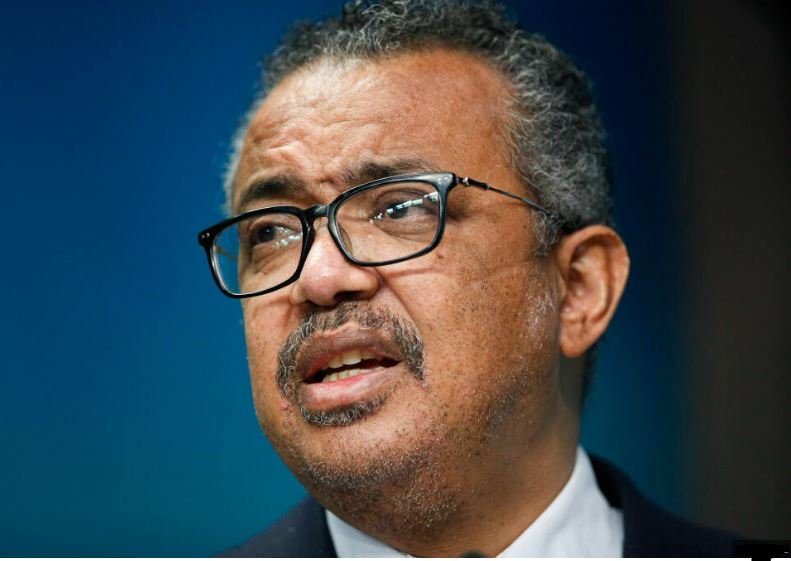
WHO Director-General Tedros Adhanom Ghebreyesus said that he declared Covid-19 over as a global health emergency with great hope, but this does not mean that Covid-19 is over as a global health threat. The UN health agency did not declare the end of the pandemic, but rather downgraded its highest level of alert. The virus has caused an estimated 764 million cases globally and killed at least 7 million people worldwide.
The US public health emergency declaration for Covid-19 is set to expire on May 11, 2023, when measures to support the pandemic response, including vaccine mandates, will end. Many other countries, including Germany, France, and Britain, dropped many of their provisions against the pandemic last year.
When Tedros declared Covid-19 to be an emergency in 2020, his greatest fear was the virus’ potential to spread in countries with weak health systems, which he described as ill-prepared. In fact, some of the countries that suffered the worst Covid-19 death tolls were previously judged to be the best-prepared for a pandemic, including the US and Britain. According to WHO data, the number of deaths reported in Africa accounts for just 3 per cent of the global total.
WHO is the only agency mandated to coordinate the world’s response to acute health threats, but the organisation faltered repeatedly as the coronavirus unfolded. In January 2020, WHO publicly applauded China for its supposed speedy and transparent response, even though recordings of private meetings obtained by The Associated Press showed top officials were frustrated at the country’s lack of cooperation.
WHO also recommended against members of the public wearing masks to protect against Covid-19 for months, a mistake many health officials say cost lives. Numerous scientists also slammed WHO’s reluctance to acknowledge that Covid-19 was frequently spread in the air and by people without symptoms, criticizing the agency’s lack of strong guidance to prevent such exposure.
Most recently, WHO has been struggling to investigate the origins of the coronavirus, a challenging scientific endeavor that has also become politically fraught. After a weeks-long visit to China, WHO released a report in 2021 concluding that Covid-19 most likely jumped into humans from animals, dismissing the possibility that it originated in a lab as extremely unlikely. But the UN agency backtracked the following year, saying key pieces of data were still missing, and that it was premature to rule out that Covid-19 might have ties to a lab.
A panel commissioned by WHO to review its performance criticised China and other countries for not moving quicker to stop the virus and said the organisation was constrained both by its limited finances and inability to compel countries to act.

