


J&K’S PATH TO DISASTER RESILIENCE
Editorial
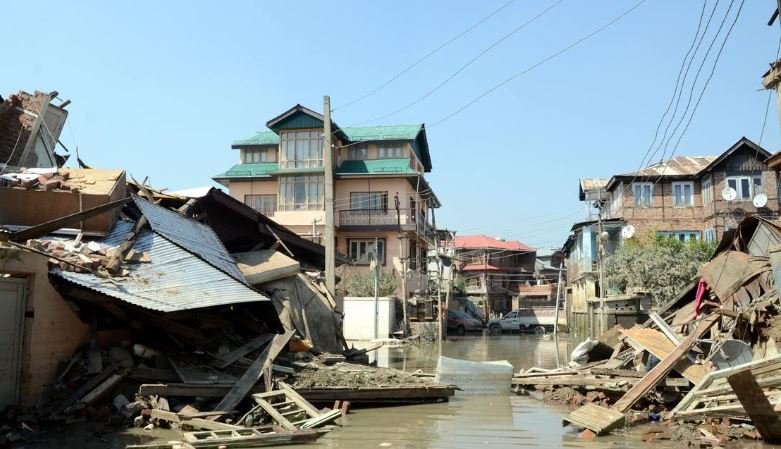 File Pic
Representional Image
File Pic
Representional Image
Jammu and Kashmir’s captivating beauty conceals the inherent dangers that come with living in such a geographically difficult area, which is set inside the gorgeous Himalayas. Natural catastrophes frequently strike the region, so it is essential for the J&K administration to give disaster preparedness a top priority in order to safeguard its citizens, infrastructure, and environment. Due to the geological instability of the Himalayas, the area is particularly vulnerable to earthquakes, landslides, glacial lake outburst floods (GLOFs), and flash floods. Due to causes including climate change, deforestation, and increased urbanization, these catastrophes have been happening more frequently and with greater intensity. Due to their steep topography, the towns of Jammu and Kashmir are particularly susceptible to landslides and flash floods. To lessen the negative effects of natural disasters, disaster preparedness is crucial. It includes a wide range of precautions, such as robust evacuation plans, resilient infrastructure, community involvement, and awareness-raising initiatives. Jammu & Kashmir can considerably lower the number of fatalities, reduce property damage, and hasten the recovery process after a disaster by investing in disaster preparedness. The UT government must give the installation and upkeep of early warning systems for various disasters top priority. Systems for monitoring earthquakes and prompt distribution of earthquake notifications might provide individuals with vital seconds or minutes to seek safety. Similarly to this, spending money on advanced weather forecasting equipment can aid in forecasting rainfall patterns and make it possible to identify probable landslides or floods early on. To survive the forces unleashed by nature, robust infrastructure, such as bridges, roads, and buildings, must be developed. Well-designed evacuation plans are required in expanding communities like Jammu and Kashmir to guarantee the population’s safe and quick removal during emergencies. The government should build evacuation routes that can handle the growing population and designate safe shelters. In addition, by empowering the neighbourhood through training sessions, exercises, and awareness campaigns, the community will be better equipped to handle disasters. To reduce anxiety and increase survival rates, citizens must cultivate a culture of preparedness. In order to be prepared for disasters, Jammu & Kashmir’s delicate environment must be preserved. Landslides and flash floods are made more likely by deforestation and unregulated building. To stop unauthorized encroachments, encourage sustainable land use methods, and carry out afforestation programmes, the UT government should enforce rigorous laws. Both the rich biodiversity of the area and catastrophe resilience will be preserved by maintaining the delicate balance of the Himalayan ecology. Collaboration between the central government, other state governments, community organizations, and residents is necessary for disaster preparedness. The Jammu and Kashmir administration should work with regional, national, and international organizations, non-governmental organizations (NGOs), and research centers to take advantage of knowledge, exchange best practices, and acquire funding for disaster management. Building resilient infrastructure, training staff, and launching public awareness campaigns all require enough budgetary commitments from the central government.
Disaster preparedness is not a choice, but rather a requirement for Jammu & Kashmir’s existence and development. Prioritizing catastrophe resilience will help to ensure the well-being of the populace as they live in harmony with the stunning Himalayan terrain. Finally, it is crucial to continuously monitor, assess, and update disaster management techniques. The government should set up a thorough monitoring system to evaluate the success of implemented policies, pinpoint areas for development, and modify plans in response to new obstacles. Regular exercises, simulations, and reviews post-disasters can offer insightful information and help to improve current processes. Additionally, by interacting with local populations and getting their opinion on their experiences and worries, policy decisions may be made that will keep disaster management initiatives relevant and responsive to the requirements of citizens. Adopting a proactive strategy for disaster management will not only save lives and reduce damage, but it will also advance Jammu and Kashmir’s overall growth and sustainable development. The region’s spectacular beauty and cultural diversity may coexist peacefully with the awareness that its inhabitants are well-equipped to cope with the difficulties of residing in a hazardous geographic location.

