


Supreme Court to Hear Rahul Gandhi’s Defamation Case on July 21, Challenging Conviction and Disqualification
Legal Battle: Rahul Gandhi Asserts Right to Criticize Prime Minister in Defamation Case
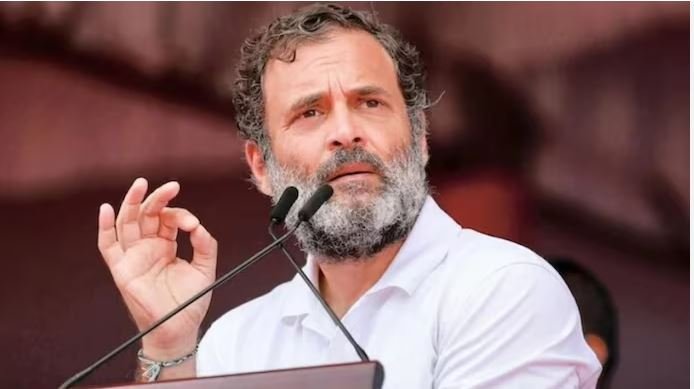
18-07-2023 : On July 21, the Supreme Court of India is scheduled to hear Rahul Gandhi’s plea in a defamation case. Rahul Gandhi, a prominent Indian politician and leader of the Indian National Congress party, is justifying his 2019 statement where he criticized measures undertaken by the Prime Minister, who is his political opponent. Gandhi argues that as a political opponent, he has the right to criticize and comment on the actions of the Prime Minister.
The date of the hearing was fixed by a bench led by Chief Justice of India, D Y Chandrachud, in response to an urgent request made by senior advocate A M Singhvi, who is representing Rahul Gandhi. Singhvi requested the court to list the matter for hearing either on Friday or Monday.
Rahul Gandhi filed a special leave petition challenging the Gujarat High Court’s decision on July 7, 2023, which denied his request for a stay on his conviction. The High Court relied on what Gandhi termed as “extraneous and irrelevant factors” such as the pendency of similar cases against him. Gandhi argues that his criticism of the Prime Minister does not warrant a defamation complaint, as it falls within his right to express a different opinion as a political opponent.
In the Gujarat High Court, a single bench of Justice Hemant Prachchhak stated that Gandhi’s conduct and the pending cases against him make the conviction in the present case justified. The court emphasized that a stay on conviction is an exception rather than a rule. It also noted that there are ten criminal cases pending against Rahul Gandhi, including another defamation complaint filed by the grandson of Veer Savarkar in Pune.
The Chief Judicial Magistrate of Surat had previously held Rahul Gandhi guilty of defamation on March 23, 2023, in a case filed by BJP leader Purnesh Modi. Gandhi was awarded the maximum sentence of a two-year jail term, which subsequently led to his disqualification as a Member of Parliament from Wayanad. In April, a sessions court in Surat dismissed Gandhi’s plea to stay his conviction, and later, the High Court also rejected his plea for suspending the conviction.
Rahul Gandhi argues in his plea that in a democracy, the opinion of the people is supreme, and the choice of the voter is considered the will of the people. He claims that the conviction resulting in his disqualification as a legislator is an irreparable loss. Even if he is subsequently acquitted, the damage caused by the disqualification cannot be undone, and this issue should be considered from the perspective of the electorate.
Gandhi further contends that a political speech criticizing the government or a section of society, even if defamatory, should not be equated with moral turpitude. He asserts that if his conviction is not stayed, it will hinder free speech, expression, thought, and statements, leading to the suppression of democratic institutions and undermining the future of Indian democracy.
The Supreme Court hearing on July 21 will provide an opportunity for Rahul Gandhi’s legal team to present his arguments and seek a favorable decision in the defamation case. The outcome of the hearing will have implications for Gandhi’s political career, as well as broader implications for free speech and the functioning of democratic institutions in India.
#RahulGandhi #DefamationCase #SupremeCourtHearing #FreeSpeech #Democracy #PoliticalOpponent #CriticismRights #ConvictionChallenge #Disqualification #LegalBattle #PoliticalClimate #IndiaFuture

