


Allege U.S. DOJ, Indian RAW Official of Conspiring to Assassinate Sikh Separatist on American Soil
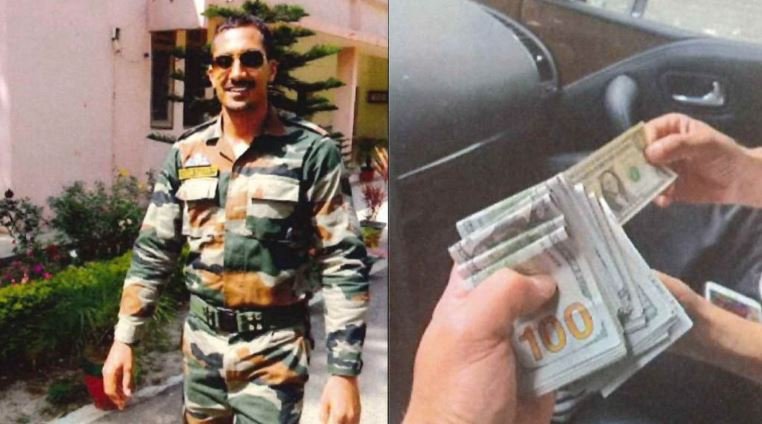
WASHINGTON, Oct 18: The U.S. Department of Justice (DOJ) has unveiled serious allegations implicating an Indian intelligence official in a conspiracy to assassinate a Sikh separatist in the United States. The indictment, filed in a New York court, alleges that Vikas Yadav, a 39-year-old official with the Research and Analysis Wing (RAW), was involved in a plot targeting a Sikh American national during the high-profile state visit of Indian Prime Minister Narendra Modi last summer.
According to the federal prosecutors, Yadav, who is believed to no longer be employed by the Indian government, faces multiple charges, including murder-for-hire and conspiracy to commit money laundering. His co-conspirator, Nikhil Gupta, was apprehended in Czechoslovakia last year and is currently in U.S. custody after being extradited. The DOJ confirmed that Yadav remains at large.
U.S. Attorney General Merrick B. Garland emphasized the seriousness of these allegations, stating that the DOJ will not tolerate any attempts to endanger Americans or undermine their constitutional rights. “The defendant, an Indian government employee, allegedly conspired with a criminal associate to assassinate a U.S. citizen on American soil for exercising their First Amendment rights,” noted FBI Director Christopher Wray.
The Indian government has firmly denied any involvement in the alleged assassination plot. In response to the allegations, New Delhi established an inquiry committee to investigate the claims, which the U.S. has welcomed as a positive sign of cooperation. State Department Spokesperson Matthew Miller expressed satisfaction with the ongoing collaboration between U.S. and Indian authorities, noting that discussions between officials from the FBI, DOJ, and the Indian inquiry committee had been productive.
The unsealed indictment spans 18 pages and contains graphic details, including photographs of Yadav in military attire and images depicting two individuals exchanging cash in a vehicle in New York. Prosecutors allege that this exchange represented payments to the purported assassin for the targeted killing of the Sikh separatist leader, with transactions dated June 9, 2023. While the specific name of the victim is not disclosed in the indictment, the document outlines that the individual is a prominent critic of the Indian government, advocating for the secession of Punjab, a northern Indian state with a significant Sikh population.
Gurpatwant Singh Pannun, General Counsel for the separatist organization Sikhs for Justice, lauded the indictment as a reaffirmation of the U.S. government’s commitment to protect the lives and freedoms of its citizens, both domestically and internationally. He stated, “By indicting RAW official Vikash Yadav in a murder-for-hire plot, the U.S. government has reassured its commitment to its constitutional duty.”
The indictment outlines that the conspiracy to assassinate the Sikh separatist was orchestrated during a critical diplomatic moment, coinciding with Prime Minister Modi’s historic state visit to the U.S., which occurred on June 22, 2023. Evidence presented in the indictment indicates that Yadav instructed Gupta and the hired assassin to delay the execution of their plan to avoid interference with the state visit.
In a troubling turn, prosecutors highlighted a potential connection between this case and the recent murder of another Sikh separatist, Hardeep Singh Nijjar, in Canada. Communications between Yadav, Gupta, and the alleged killer were found to reference both incidents, raising concerns about coordinated efforts to eliminate dissenting voices within the Sikh community abroad.
Furthermore, the indictment describes a disturbing exchange where Yadav allegedly communicated specific instructions regarding the verification of the victim’s whereabouts, suggesting a chilling resolve to carry out the assassination as soon as confirmation was received.
The Department of Justice has underscored that the victim is a vocal critic of the Indian government, actively leading an organization in the U.S. that advocates for the establishment of a Sikh sovereign state known as Khalistan. The Indian government has previously banned both the victim and his organization from operating within its borders, reflecting ongoing tensions related to separatist movements within India.
This indictment presents grave implications not only for U.S.-India relations but also highlights the potential reach of foreign intelligence operations in the domestic affairs of the United States. As investigations continue, the full ramifications of these allegations will likely unfold in the coming weeks and months.

