


AI-Powered Governance
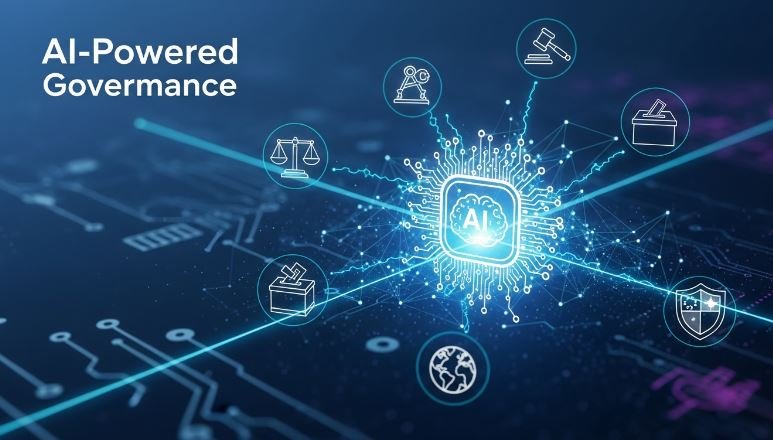
Jammu and Kashmir is moving toward a phase where technology can play a more meaningful role in making governance simpler, quicker, and more citizen-friendly. The growing focus on artificial intelligence is not just about adopting a modern tool but about improving everyday public services so that people face fewer delays, clearer processes, and better support. If planned carefully, AI can help the administration respond faster, make more informed decisions, and ensure that services reach citizens with greater ease and transparency.
A key strength of this approach is the effort to build coordination among departments and technical partners such as IIT Jammu, the IndiaAI Mission, and BISAG-N. AI solutions work best when departments do not operate in silos, because many real governance challenges cut across sectors. For this reason, the proposal to create a Steering Committee, supported by a strong anchoring mechanism in the IT Department and a dedicated project management setup, can bring clarity in leadership, avoid duplication, and ensure that initiatives move from planning to execution in a time-bound manner. The suggestion to begin with a limited number of pilot projects in priority sectors is also practical. Starting with a few high-impact areas allows the administration to learn, build confidence, and expand gradually based on results. Sectors such as disaster risk and early warning, health surveillance, agriculture and horticulture advisories, grievance redressal, and office workflow automation are promising because they directly affect citizens and can improve both speed and service quality. At the same time, pilots must be chosen where reliable data is available and where departments are ready to adopt changes so that results can be measured clearly. Another important pillar of this roadmap is capacity building. The proposed Centre of Excellence in Emerging Technologies and the plan to set up Data Innovation Labs in ITIs can help create local expertise in AI and data science. This is essential to reduce dependence on external support and ensure long-term sustainability. Introducing basic AI awareness at the secondary school level, along with skill modules under Mission YUVA, can further prepare youth for emerging opportunities and strengthen employability in a fast-changing job market. AI in sensitive domains such as policing and justice delivery requires extra care. The development of an in-house AI tool designed to work without internet connectivity shows an effort to balance efficiency with security. However, any use of AI in law enforcement must remain fully aligned with legal safeguards, fairness, and accountability so that technology supports the rule of law and protects citizen rights. For AI to truly strengthen governance, data quality, privacy, and cybersecurity must remain central. Clean and reliable datasets, strong security protocols, and clear rules on data access and use will be necessary to build public trust. AI systems should also remain explainable and auditable, meaning people should be able to understand how decisions are supported and where responsibility lies. Technology should assist officials and citizens, not replace accountability. Public communication will also matter. Initiatives like the “Digital Dhara” publication can help spread awareness and keep citizens informed about new digital reforms. Clear, simple, and regular communication can reduce confusion and encourage adoption, especially if it also highlights practical benefits, safeguards, and feedback channels.
Jammu and Kashmir has a strong opportunity to use AI as a tool for better governance, faster services, and more responsive administration. The way forward should focus on selecting a few high-impact pilots, ensuring strong interdepartment coordination, investing in local talent through the Centre of Excellence and Data Labs, and building public confidence through privacy safeguards, transparency, and clear accountability. With careful planning, steady monitoring, and a people-first approach, AI can become a positive force that helps the Union Territory deliver smarter, fairer, and more accessible public services for everyone. The Jammu and Kashmir government deserves sincere appreciation for taking a timely, forward-looking step to push artificial intelligence into real governance outcomes. By prioritizing coordination, capacity building, and citizen-first solutions, the administration is setting a strong direction for faster services and smarter decisions. This is a calm but firm message: J&K is ready to modernize, cut delays, and deliver better public service with clear accountability.

