


Air Quality Stays Moderate in Delhi; Mundka, Rohini Top Pollution Chart
City records moderate air quality after slipping into ‘poor’ range a day earlier; several industrial zones remain pollution hotspots.
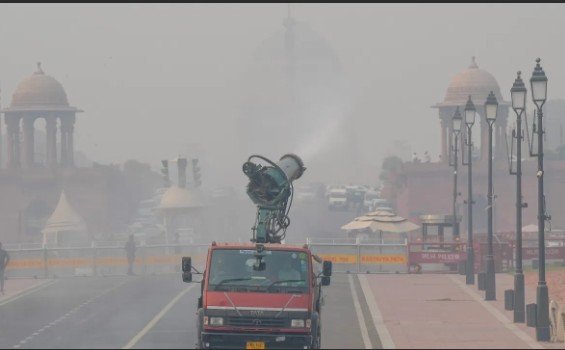
New Delhi, Feb 08 : Delhi AQI today: Slight improvement, but pollution concerns remain
Delhi experienced marginally cleaner air on Sunday morning, offering residents limited respite from the capital’s persistent pollution. While the situation showed improvement compared to the previous day, haze continued to hang over many neighbourhoods, signalling that the recovery is far from complete.
Air quality moves into ‘moderate’ band
Data released by the Central Pollution Control Board (CPCB) showed the capital’s Air Quality Index (AQI) at 196 at 7 am, placing it within the ‘moderate’ category. The reading marked a noticeable shift from Saturday afternoon, when the AQI had climbed to 227, categorised as ‘poor’.
Although the dip suggests easing pollution levels, environmental observers caution that such fluctuations are common and may not indicate a lasting trend.
Industrial and outer districts report higher pollution
Despite the broader improvement, multiple monitoring stations continued to register unhealthy air. Mundka reported the highest pollution level with an AQI of 266, followed by Pusa (257), Narela (247), Rohini (247), and Ashok Vihar (243).
Additional areas including Jahangirpuri, Wazirpur, Nehru Nagar, Shadipur, Bawana, and Vivek Vihar also remained within the ‘poor’ bracket. Even densely populated commercial hubs such as Chandni Chowk recorded readings above 200, underscoring the uneven distribution of air quality across the city.
Relatively cleaner air in select locations
A handful of zones registered comparatively better conditions. Sri Aurobindo Marg posted the lowest AQI at 126, while IGI Airport, Aya Nagar, Lodhi Road, Major Dhyan Chand Stadium, IIT Delhi, and Mandir Marg all stayed within the moderate range.
For residents in these pockets, the improvement translated into more breathable air, though not entirely pollution-free.
Haze persists despite better readings
Morning commuters reported reduced visibility and dull skies as a light veil of smog lingered over several stretches of the capital. Saturday’s figures had already pointed to elevated pollution, with Anand Vihar at 260 and RK Puram at 237, while high traffic corridors such as ITO also crossed the 220 mark.
What the AQI scale indicates
Official classifications define AQI levels as follows:
0–50: Good
51–100: Satisfactory
101–200: Moderate
201–300: Poor
301–400: Very Poor
401–500: Severe
With most localities oscillating between moderate and poor categories, health experts warn that sensitive groups—including children, senior citizens, and people with respiratory conditions may still experience discomfort.
Weather conditions may influence air quality
The India Meteorological Department (IMD) has forecast a maximum temperature of 23°C and a minimum of 10°C, along with misty conditions. Such weather patterns can slow the dispersion of pollutants, potentially impacting air quality through the day.
Temporary relief, long-term challenge
While the latest readings provide a brief pause from harsher pollution levels, Delhi’s ongoing struggle for cleaner air remains evident. The modest improvement highlights how quickly conditions can shift keeping the focus firmly on sustained environmental measures rather than short lived gains.

